
- Home
- Commercial Storm & Flood Cleanup
Cleanup when water hits your business
Dryline handles water extraction, structural drying, and repairs for offices, retail, hospitality, multifamily, and industrial properties across the Las Vegas valley.
- Serving the valley since 2012
- Free Priority Response plan
- One project manager per job
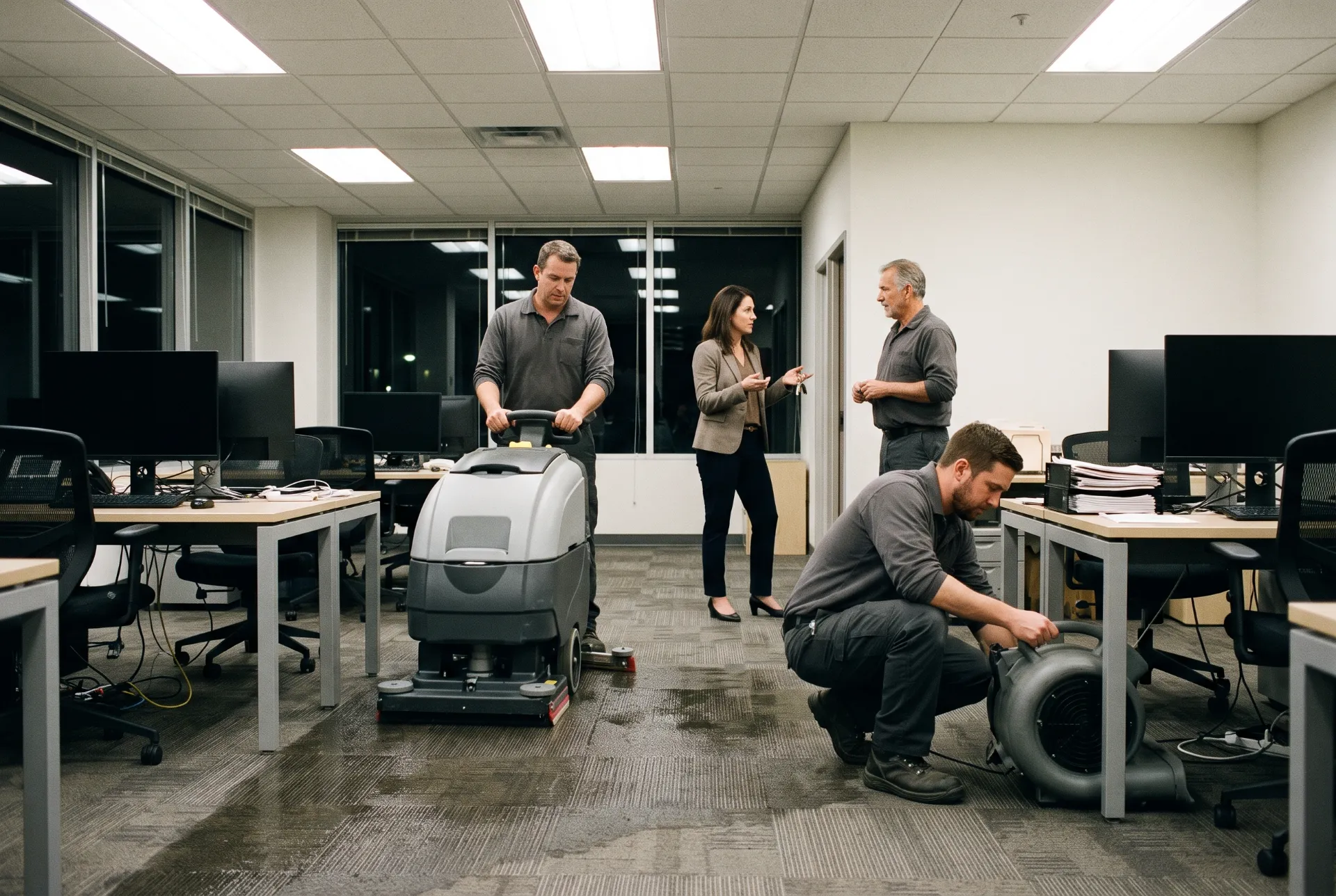 Las Vegas · Demo photo
Commercial properties we serve
We work exclusively in the Las Vegas valley, including Henderson, North Las Vegas, Summerlin, and Boulder City, with six stocked response trucks.
Office buildings and suites
From single tenant suites to multi floor offices, crews contain wet zones, extract standing water, and dry walls and flooring.
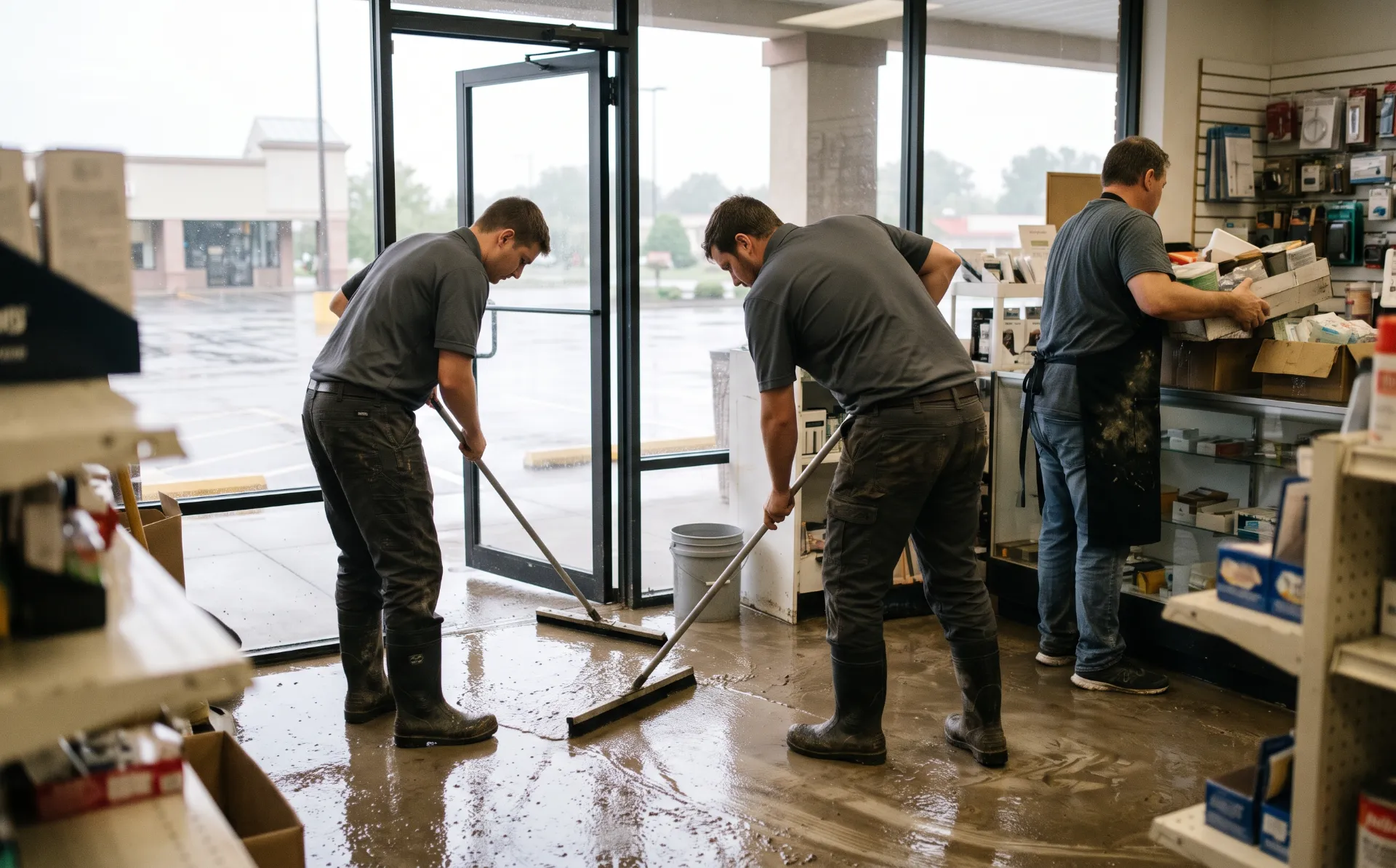
Retail shops and strip centers
We clear water from sales floors and stockrooms, document affected fixtures, and dry structures so tenants and landlords can plan reopening.
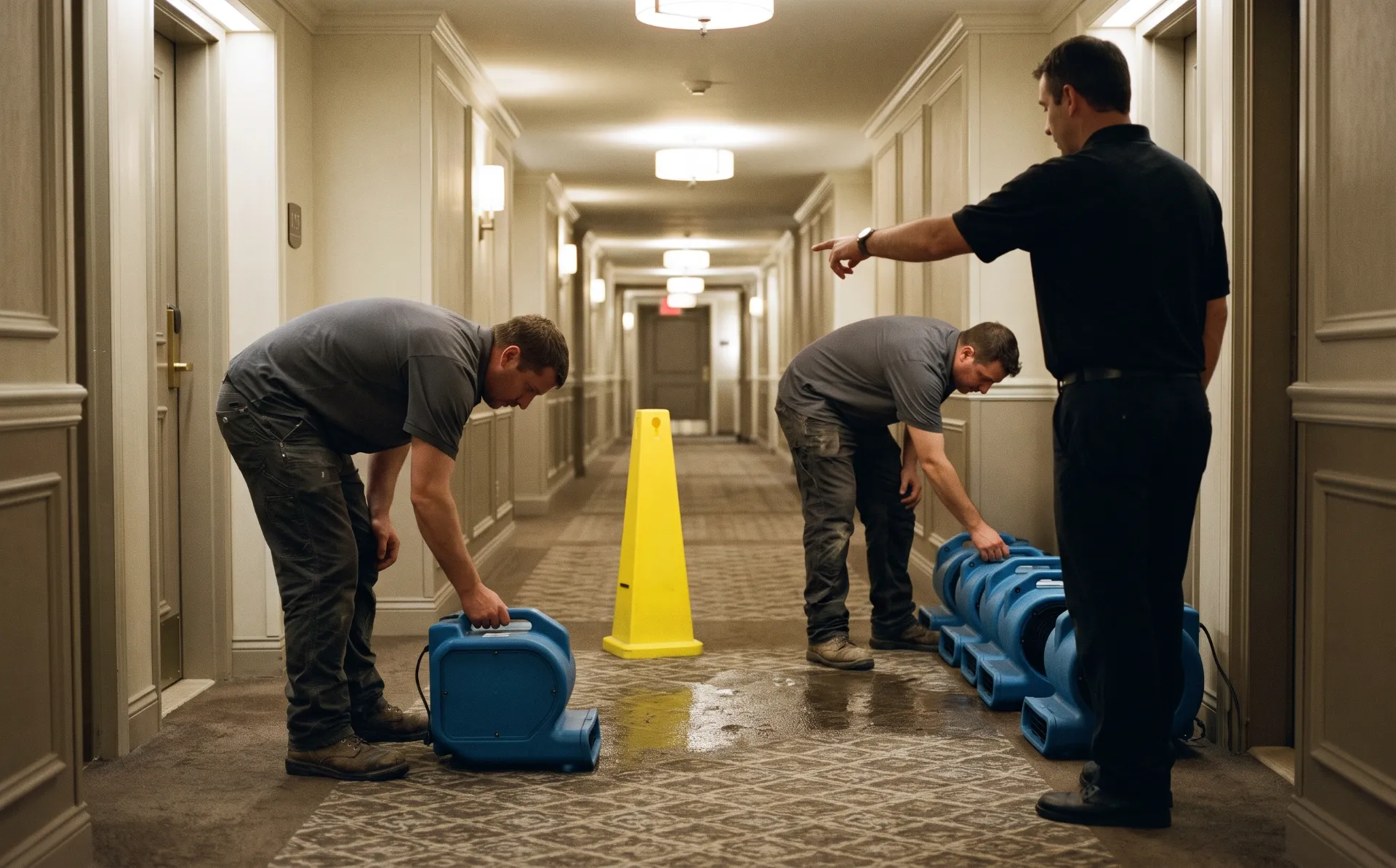
Hotels, motels, and restaurants
Guest rooms, corridors, lobbies, and back of house areas are contained and dried in planned phases around building operations.
Multifamily buildings
When water crosses hallways or stacked apartments, we map hidden moisture across units and coordinate with property management.
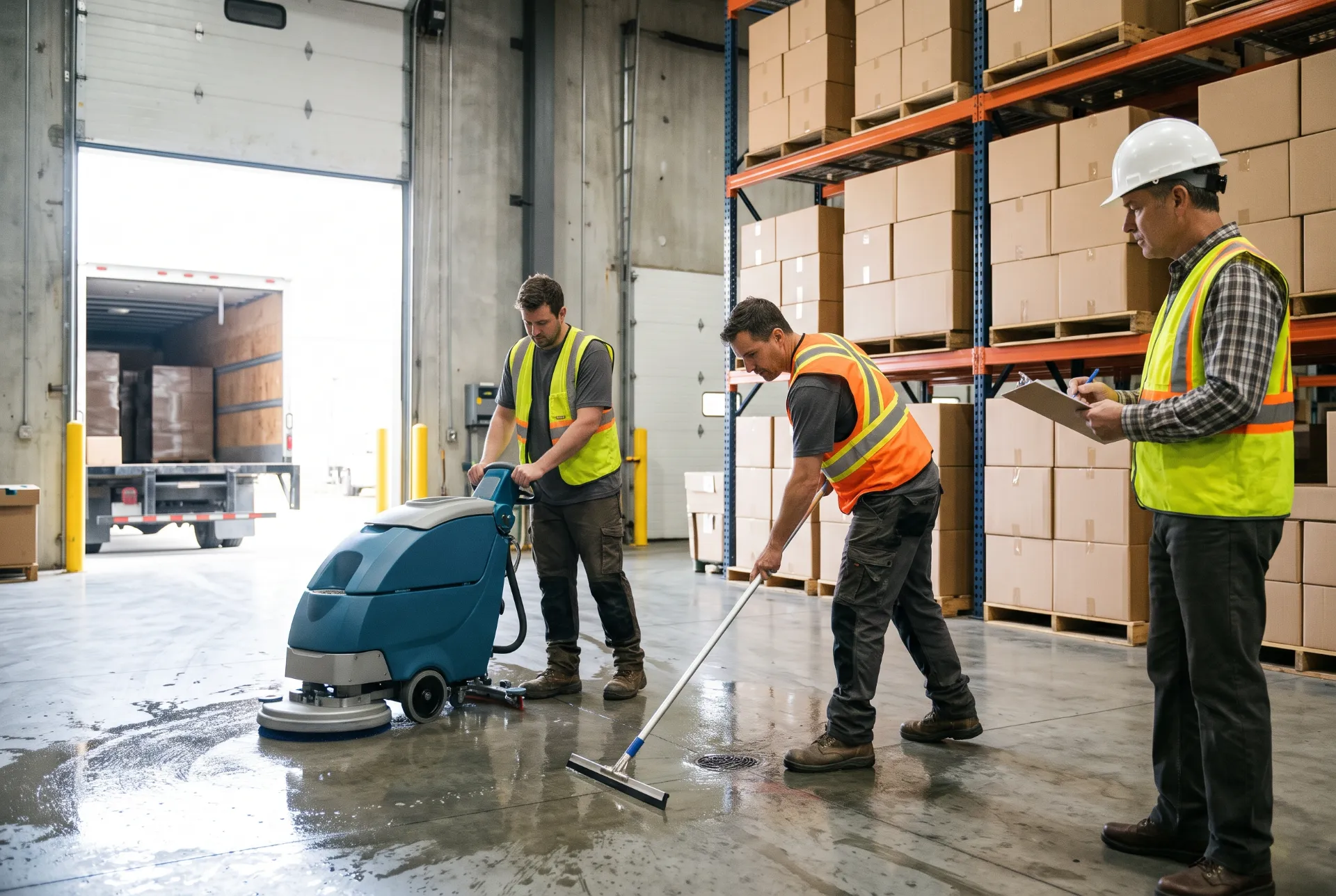
Warehouses and light industrial
Submersible pumps, extractors, and desiccant dehumidifiers handle large open slabs and dense building materials after storms or pipe breaks.
Senior living and HOA spaces
Clubhouses, lobbies, and shared corridors receive careful containment and clear communication with community managers and boards.
 Paradise · Demo photo
Commercial water damage we handle
Sudden valley monsoon storms and indoor plumbing failures create different risks. Our crews assess the water category on-site before setting equipment.
Supply and sprinkler breaks Pressurized lines release large volumes into ceilings and floors. We extract water and map moisture once the line is shut off.
Roof leaks over tenant space Storm rain entering through flat roofs or concrete tiles is contained and dried, with temporary roof tarping when needed.
Storefront flash flooding Runoff can push under doors even during brief storms. We pump out standing water, clean surfaces, and treat affected areas.
Restroom sewage backups Crews in protective gear remove contaminated porous materials, disinfect hard surfaces, and run HEPA air scrubbers.
Water across multiple suites Using moisture meters and thermal cameras, we trace water traveling under shared walls and between floors across units.
 North Las Vegas · Demo photo
Keeping your building running where possible
When water hits part of a commercial building, shutting down the entire property is not always necessary. At the start of the job, your project manager agrees on a primary site contact, after-hours access rules, and where drying containment can separate wet zones from open areas so unaffected rooms can continue operating where conditions allow.
Work can be phased around tenant or customer areas, and your project manager shares moisture readings and progress updates at each scheduled monitoring visit written into the drying plan. Drying time depends on the building materials, water source, and conditions, and often takes several days. Dryline cannot confirm by phone that a building is safe to occupy.
- Is water still actively entering the building or is it shut off?
- Who is the on-site contact and who can authorize emergency work?
- Which suites, floors, or common areas are visibly affected?
- What access codes, keys, or after-hours rules does the crew need?
How commercial cleanup moves forward
Every commercial job starts with a clear arrival estimate on the phone and a written scope before non emergency work begins.
- 1
Call and set site contact
A Dryline team member answers 24 hours a day, gathers building details, and gives an honest arrival estimate before you hang up.
- 2
Inspect, contain, and extract
Lead technicians map wet materials, set containment where helpful, extract standing water, and start on a signed work authorization.
- 3
Dry and log moisture readings
Air movers and dehumidifiers dry the structure while technicians log moisture readings at each scheduled monitoring visit.
- 4
Document, repair, and close
We deliver claim records, complete licensed interior repairs or coordinate trade partners, and walk the space with you at closeout.
Paperwork for owners, managers, and adjusters
Commercial losses require clear records for ownership groups, property managers, and insurance carriers. Dryline keeps job files organized from day one.
Documentation you receive
- Dated photos taken before, during, and after work
- Moisture maps and readings logged at each visit
- Equipment placement and runtime records
- Line item estimate formatted for insurance adjusters
- Final invoice and written completion record
Vendor requirements we meet
- Certificates of insurance for liability and workers comp
- Completed vendor onboarding packets kept on file
- Rates agreed in advance through Priority Response
- Written work authorization before extraction begins
- One project manager assigned from start to walkthrough
Your insurer decides coverage. With your permission, Dryline works with any insurance adjuster, while the property owner or tenant owes the deductible and anything not covered.
Commercial cleanup questions
Can Dryline work after-hours and around tenants or customers?
Crews are on call nights, weekends, and holidays, and we can often schedule noisy extraction or removal outside your busiest hours. We set drying containment to separate wet zones so unaffected parts of the building can keep operating where conditions allow. Exact scheduling depends on safety risk and active water.
How large a commercial water loss can Dryline handle?
Dryline operates six stocked response trucks with eighteen staff members and serves the Las Vegas valley only. We assess the scale of your loss on the first call and tell you plainly whether our crew can take it on. We do not deploy for out of state hurricanes or large loss catastrophe events.
What documentation do you provide for owners and adjusters?
We provide dated photographs, moisture maps, logged drying readings, equipment records, a line-item estimate, the invoice, and a completion record. With your permission, we share records with any insurance company’s adjuster. The insurer decides coverage, and the customer owes the deductible and any uncovered costs.
How does free Priority Response enrollment work?
Enrollment is free with no contract or retainer for valley businesses, property managers, HOAs, and senior living communities. It includes a walkthrough, a one-page emergency sheet with shutoffs and contacts, agreed rates, and certificates of insurance on file. Enrolled properties are scheduled ahead of other non emergency work during valley storms, though arrival times are never guaranteed and safety calls come first.
What work does Dryline refer to other trades on commercial jobs?
Dryline performs water mitigation and licensed interior repairs like drywall, flooring, and paint, while licensed trade partners handle plumbing, permanent roofing, electrical, and HVAC repairs. We do not do environmental or mold testing, asbestos abatement, structural engineering, or public adjusting. For active water, call our 24-hour line so a team member can assist.
Commercial property types

Getting water out of your office
Dryline extracts standing water, dries office spaces, and handles repairs for commercial buildings across the Las Vegas valley.
Read more
Getting your shop dry after a flood
Dryline handles storefront flood cleanup, stock protection, and structural drying for shops, salons, and retail centers across the Las Vegas valley.
Read moreGetting guest spaces dry after leaks
Dryline cleans up water and storm damage for hotels, motels, restaurants, and short term rentals across the Las Vegas valley while working around your guests.
Read more
Call for active water or Priority Response
We serve commercial properties across the Las Vegas valley. Call for an active loss or ask about free Priority Response enrollment; website forms are read in office hours and never confirm a crew.