
- Home
- Commercial
- Office Water Damage
Getting water out of your office
Dryline extracts standing water, dries office spaces, and handles repairs for commercial buildings across the Las Vegas valley. Call any hour for active water.
- IICRC Certified Firm
- Serving the valley since 2012
- One project manager per job
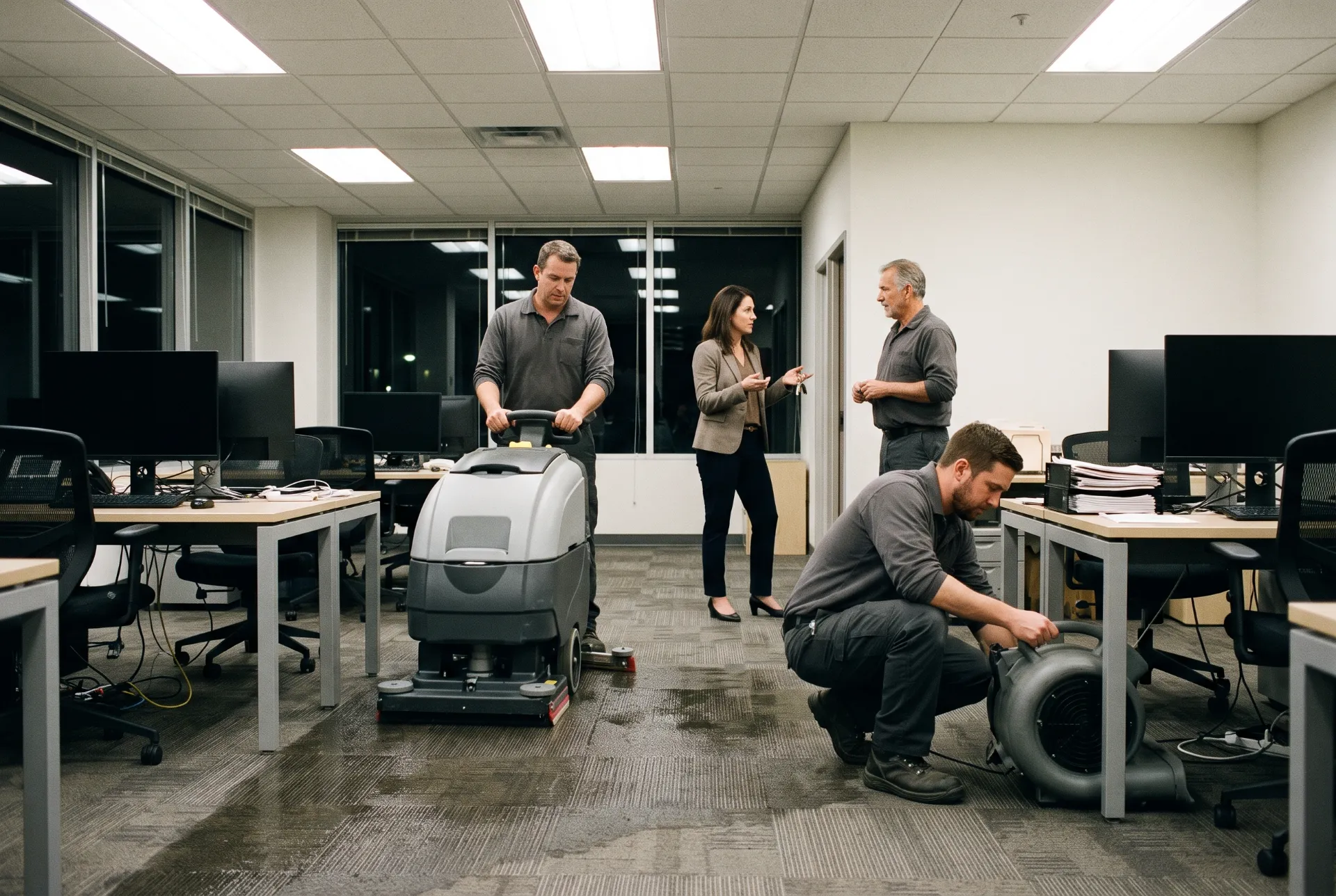 Las Vegas · Demo photo
Office spaces we dry across the valley
We work in leased suites, multistory professional buildings, and standalone offices throughout Clark County. Every space is mapped with moisture meters before drying equipment is placed.
General office suites
Open floor plans, private offices, and reception areas where wet carpet tiles, baseboards, and drywall need measured extraction and drying.
Medical and dental offices
Exam rooms, waiting areas, and back offices dried with containment and HEPA air scrubbers when the site requires dust and particle control.
Professional buildings
Multitenant office buildings where water affects several suites at once and work must be coordinated with building management.
Shared lobbies and corridors
Common hallways, elevator lobbies, and entryways where standing water is extracted and equipment is placed to keep safe walkways clear.
Server and file rooms
Rooms holding hardware and paper records where moisture is mapped carefully and damaged electronics or documents go to specialist partners.
Breakrooms and conference spaces
Shared kitchens, meeting rooms, and copy areas where plumbing lines or ceiling leaks soak cabinetry, flooring, and interior walls.
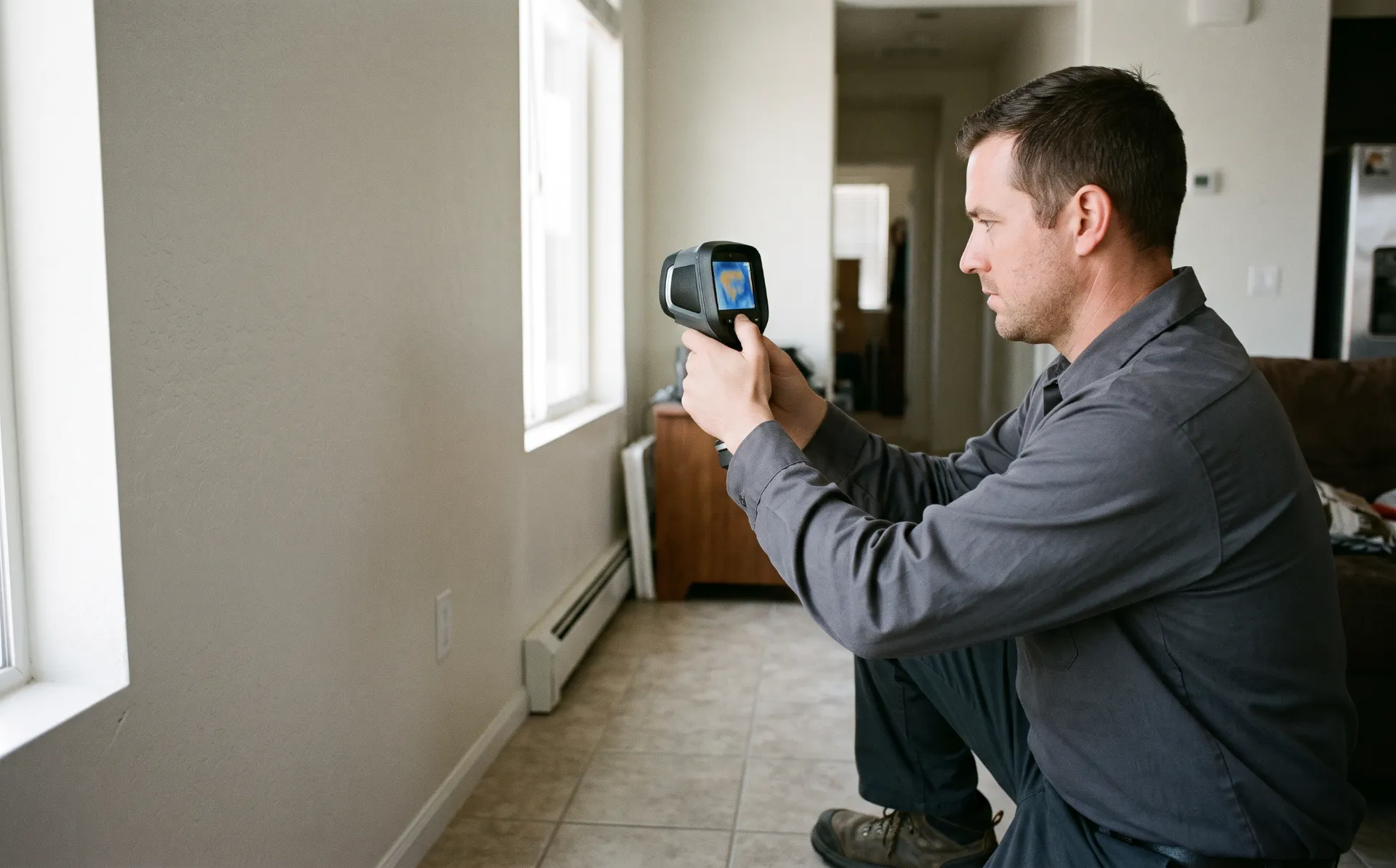 Henderson · Demo photo
Common ways water enters office buildings
Water in an office often goes unnoticed after staff leave for the evening or weekend. We assess the water category on-site before starting removal and drying.
Weekend supply line breaks A burst breakroom line or failed water heater can run for hours before Monday morning, soaking carpet and wall bases.
Roof leaks over ceiling tiles Monsoon rain through a flat roof or concrete tiles saturates ceiling grids and drips onto desks and flooring below.
Restroom overflows Backed up restrooms may bring contaminated water requiring protective gear, porous material removal, and disinfection.
Water from the suite above Leaks on an upper floor travel through ceilings, light fixtures, and shared walls into lower offices.
Stormwater at doors and glass Sudden valley storms push runoff under ground level doors or through damaged windows into reception and corner offices.
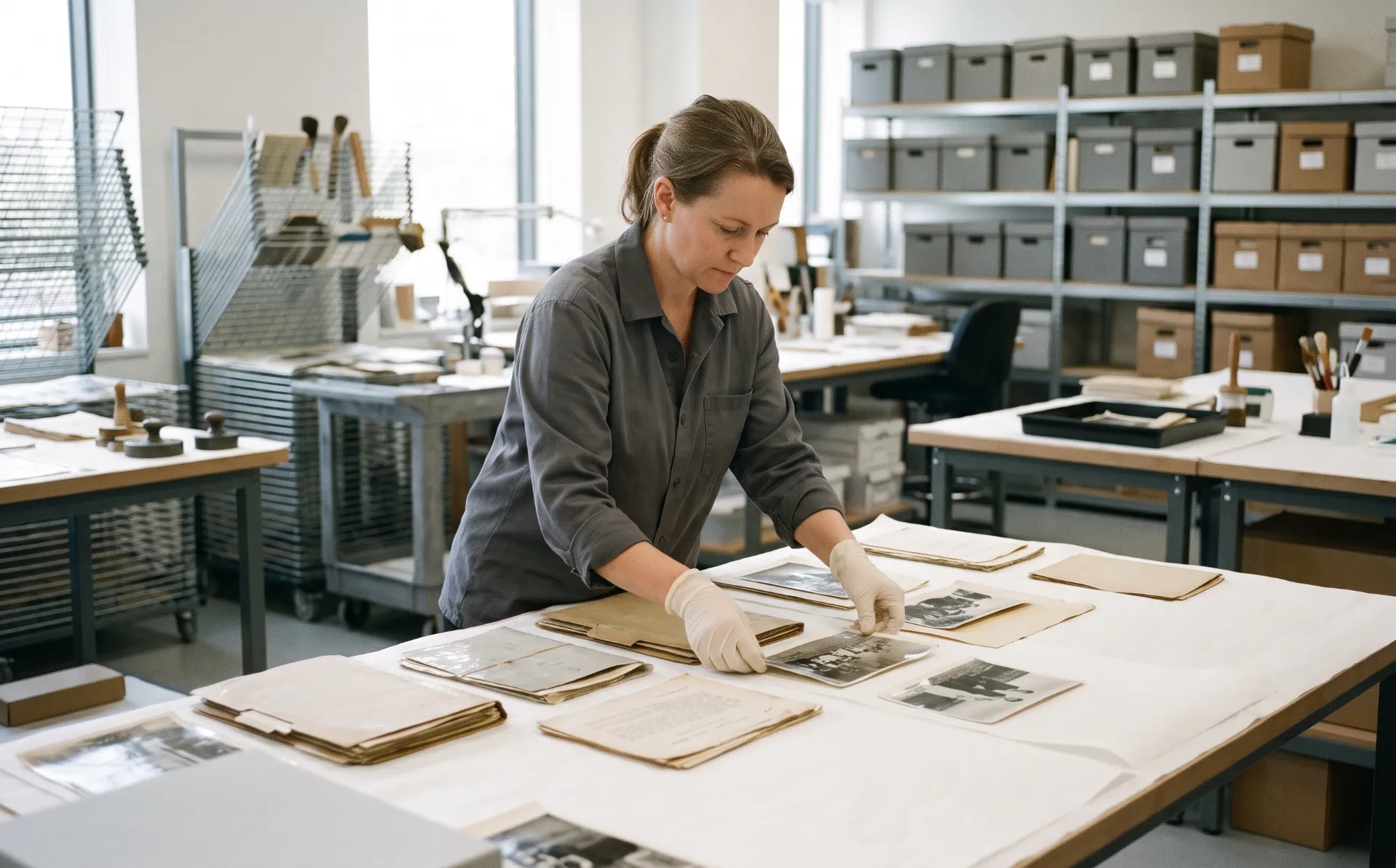 Las Vegas · Demo photo
Planning around your office schedule
Reopening depends on what got wet and how long water sat before discovery. Our crew moves wet workstations and boxed files out of the work zone with an itemized photo inventory, and we assess carpet tiles and ceiling tiles on-site to see what may be dried and what must be removed. When building rules allow, we phase noisy extraction or demolition after business hours.
Specialized recovery of soaked paper documents and damaged electronics goes to specialist partners, because those items need freeze drying or bench inspection outside standard structural drying. If a failed pipe, roof, or electrical circuit caused the loss, licensed trade partners handle those repairs while Dryline manages the water mitigation and interior rebuild.
- Is water still flowing, and do you know the shutoff location
- Which suites, floors, or common areas are showing water
- Who is our site contact and who can authorize work
- Are there building access rules, hours, or security codes
How office water cleanup moves forward
One project manager stays assigned from the first walkthrough to final closeout, giving you logged updates at each monitoring visit.
- 1
Call and site contact
A Dryline team member answers 24 hours a day and gives an honest arrival estimate for your address before you hang up.
- 2
Inspect, contain, and extract
We map moisture with meters and thermal cameras, set containment if needed, and extract standing water on a signed authorization.
- 3
Dry and monitor with logs
Air movers and dehumidifiers run according to a written drying plan, with moisture readings logged at every monitoring visit.
- 4
Document, repair, and close
Dryline handles drywall, paint, trim, and flooring repairs under our contractor license and delivers the full completion record.
Paperwork for your records and insurer
Commercial losses often involve property managers, tenants, and insurers at the same time. Clear records keep everyone aligned on what was wet and what was done.
Documentation Dryline provides
- Dated photos and moisture maps of affected areas
- Drying logs updated at every monitoring visit
- Equipment placement and runtime records
- Itemized estimate written in adjuster format
- Final invoice and project completion record
What we need from your building
- Primary site contact and after-hours phone number
- Building access rules, keys, and approved work hours
- Locations of water shutoffs and electrical panels
- Name of the person authorized to sign work scopes
- Vendor packet or certificate of insurance needs
Your insurance company decides coverage. With your permission, Dryline works with every insurer's adjuster. You owe the deductible and any costs the policy does not cover.
Questions office managers ask
Can your crew work after business hours to limit disruption?
Often yes, depending on the water source and your building’s rules. Extraction of active water usually needs to start when we arrive, while material removal or loud equipment setup can often be phased after-hours. Drying machines typically need to run continuously until readings meet the drying plan, which often takes several days.
Can wet office carpet tiles and ceiling tiles be saved?
Salvage depends on the water category, the material, and how long it stayed wet. Clean water on commercial carpet tiles may allow drying in place, while contaminated water or soaked carpet pad usually requires removal. Wet acoustic ceiling tiles often lose strength or stain and are typically replaced rather than dried.
What happens to wet office files and electronics?
Dryline can pack-out, photograph, inventory, and store dry or surface cleaned office contents at our Las Vegas facility. Soaked paper documents that need freeze drying and wet computers or servers go to specialist partners. We cannot guarantee that any damaged document or device can be recovered.
Who authorizes work in a leased office, the tenant or the landlord?
Authorization usually follows the terms of your commercial lease, and Dryline cannot give legal advice on lease responsibility. We need a signed work authorization from the party paying for or directing the work before mitigation begins. When both landlord and tenant are involved, we can share documentation with both parties once authorized.
How does Dryline handle commercial water damage insurance claims?
Your insurer decides what is covered under your policy. With your permission, we share our itemized estimate, photos, moisture maps, and drying logs directly with any insurance company’s adjuster. We do not waive deductibles or negotiate coverage, and you remain responsible for your deductible and any uncovered items.
Related services

Cleanup when water hits your business
Dryline handles water extraction, structural drying, and repairs for offices, retail, hospitality, multifamily, and industrial properties across the Las Vegas valley.
Read more
Drying apartments and condo buildings
When water moves between units, Dryline inspects, extracts, dries, and documents every affected apartment or condo across the Las Vegas valley.
Read morePlanning before water hits your site
Dryline's free Priority Response Program prepares Las Vegas valley businesses, property managers, HOAs, and senior living teams before a leak or storm happens.
Read more
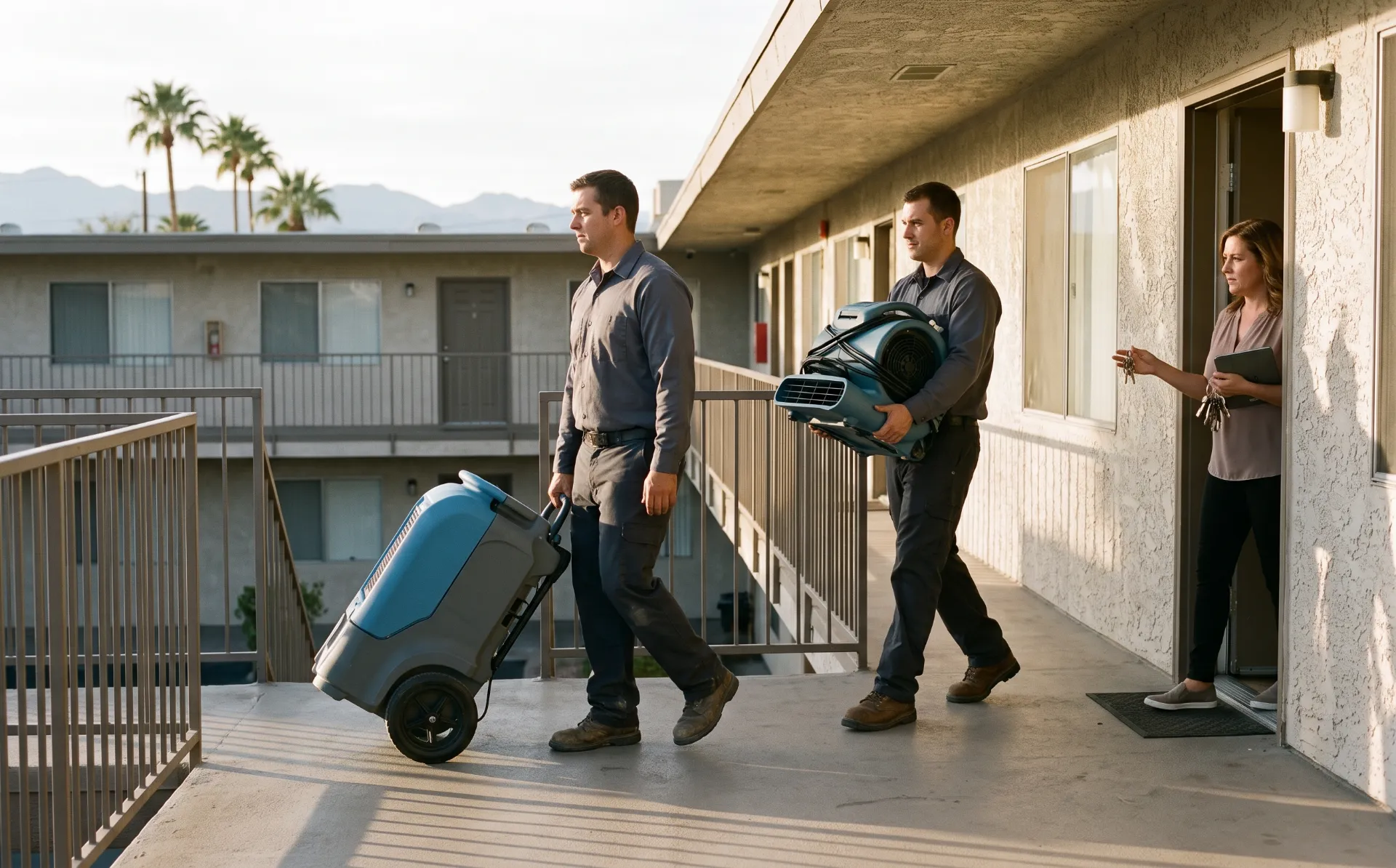
Call for active water or enroll your office
Serving Las Vegas valley offices only. Call 24 hours for active water, or ask about free Priority Response enrollment. Forms are read in office hours and never confirm a crew.