Getting the water out after a flood
Dryline extracts standing water, dries affected building materials, and cleans residential and commercial properties across the Las Vegas valley.
- Phone answered 24 hours
- IICRC Certified Firm
- Serving the valley since 2012
 Las Vegas · Demo photo
Flooding and water situations we handle
Water enters valley buildings from sudden storm runoff, indoor pipe breaks, and backups. Our crews handle extraction and cleanup while a licensed plumber or contractor repairs the water source.
Storm runoff in ground floors
Sudden desert rain can push water into garages and ground floor rooms. We extract standing water and dry soaked walls and floors.
Plumbing and appliance failures
Burst supply lines, water heaters, and washing machines soak nearby rooms. We remove the water after a plumber stops the leak.
Sewage and drain backups
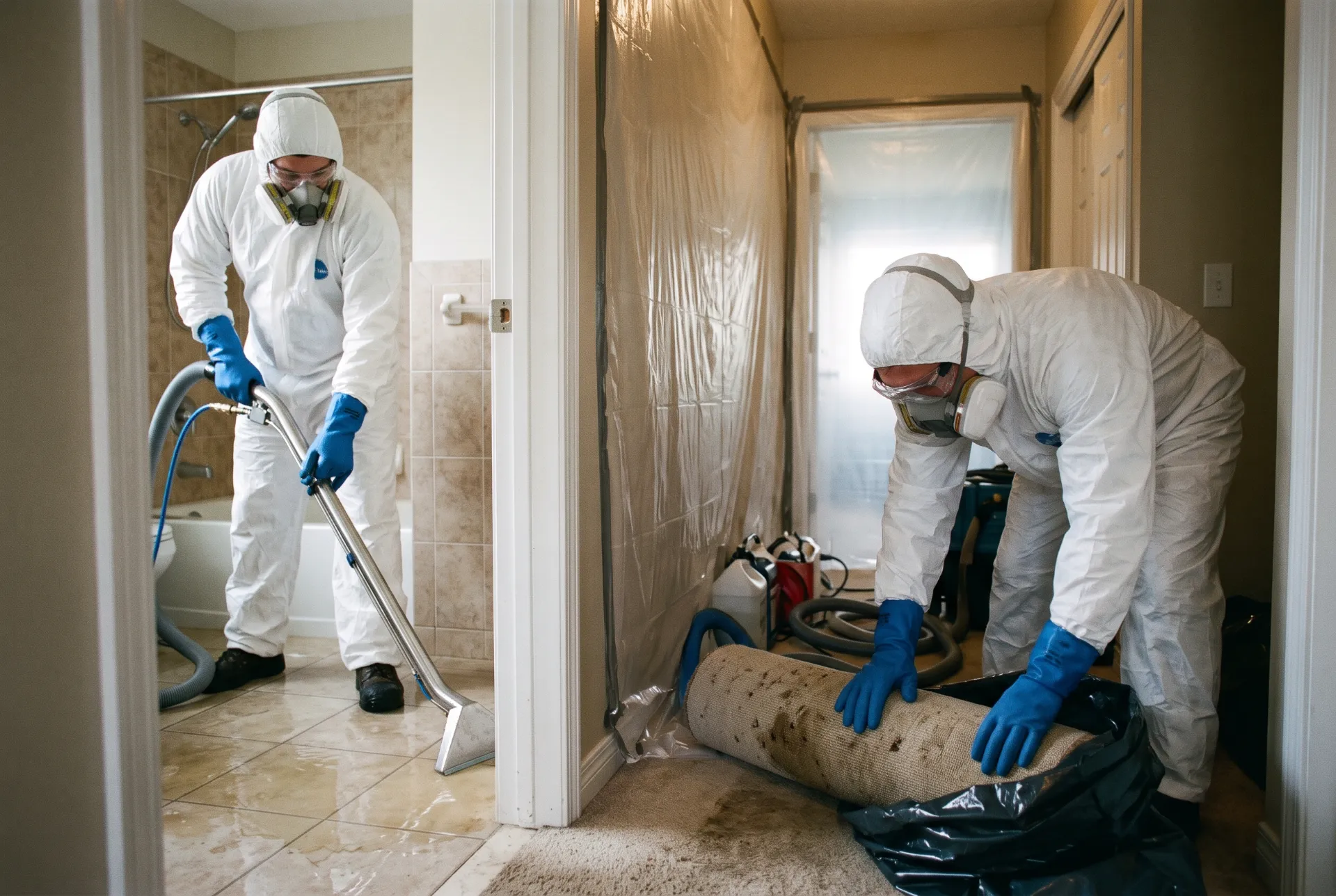
Crews wear protective gear to remove contaminated water and soaked porous materials, then clean and disinfect affected surfaces.
Wet flooring and soaked drywall
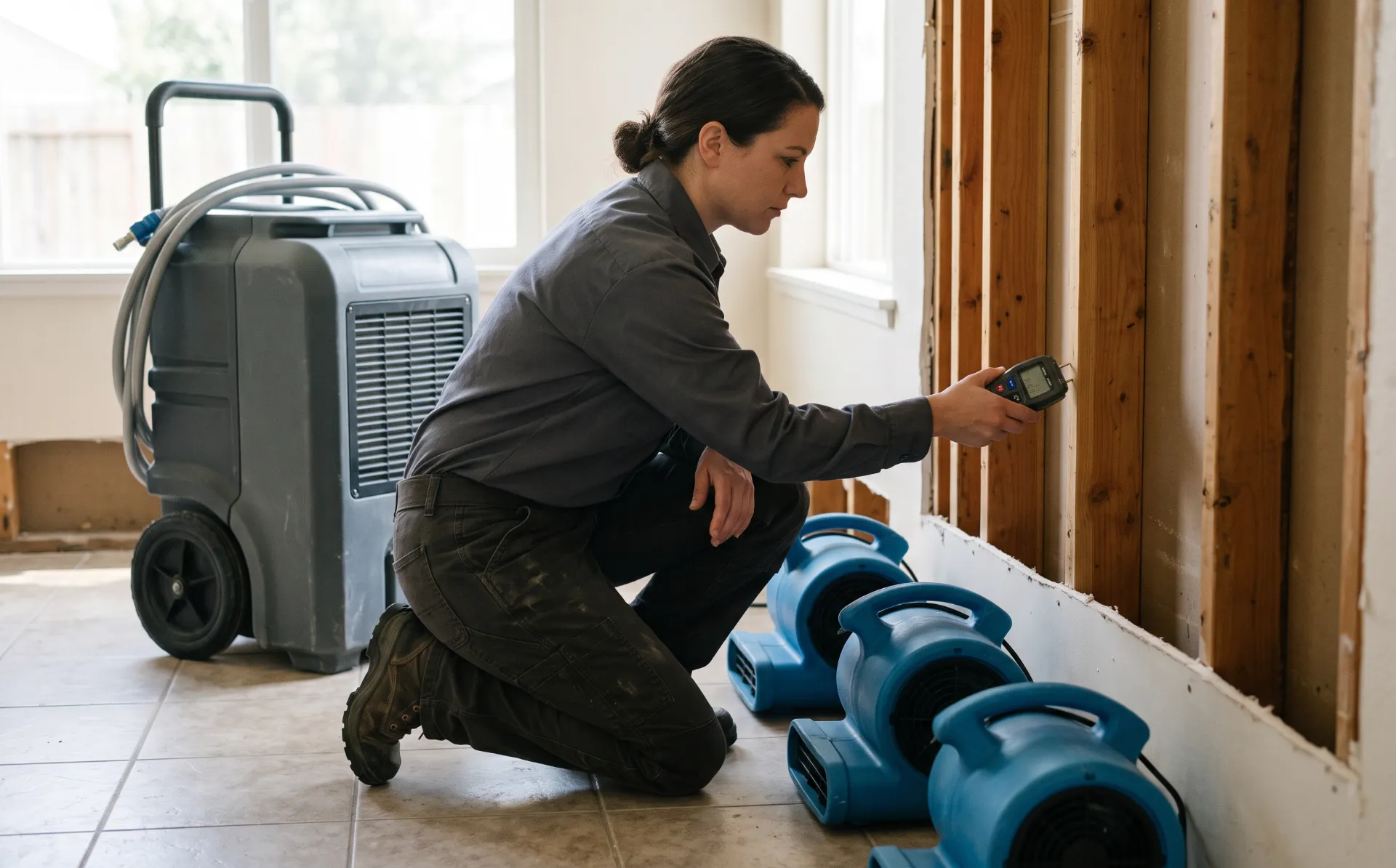
Water spreads under carpet, laminate, and baseboards. We inspect affected areas with moisture meters to see what can be dried.
Basements and sump pump failures
Basements are uncommon in the valley, but when one floods from runoff or a failed pump, we bring submersible pumps to clear it.
Commercial property flooding
We clear water from offices, retail spaces, warehouses, hospitality buildings, senior living facilities, and HOA common areas.
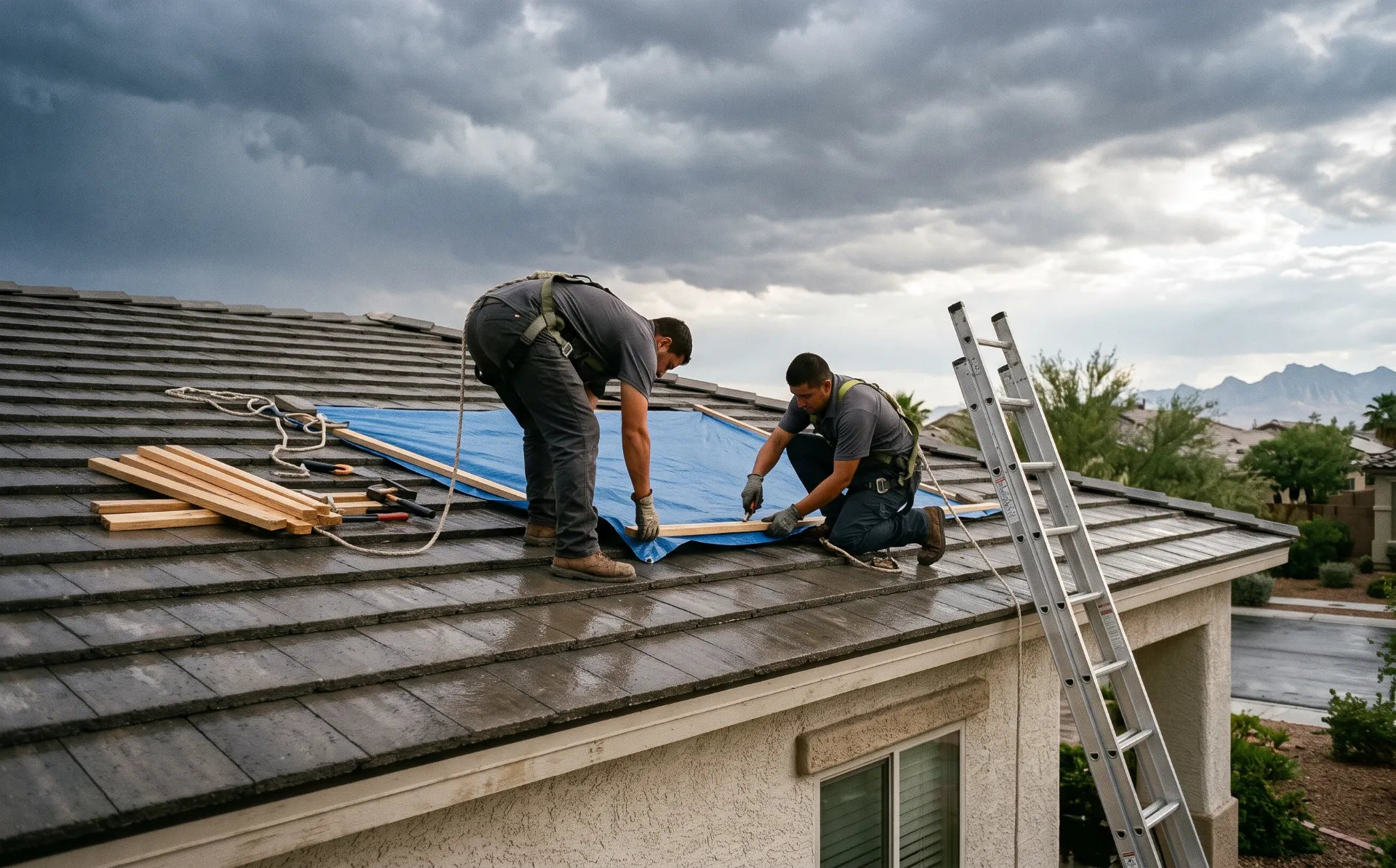
 Summerlin · Demo photo
What flood cleanup may include
Every water loss is different, so not every property needs every step below. We inspect the damage first and write out the scope and price before full work starts.
Inspection and moisture checks Technicians use thermal imaging cameras and moisture meters to locate wet surfaces and map where water has traveled.
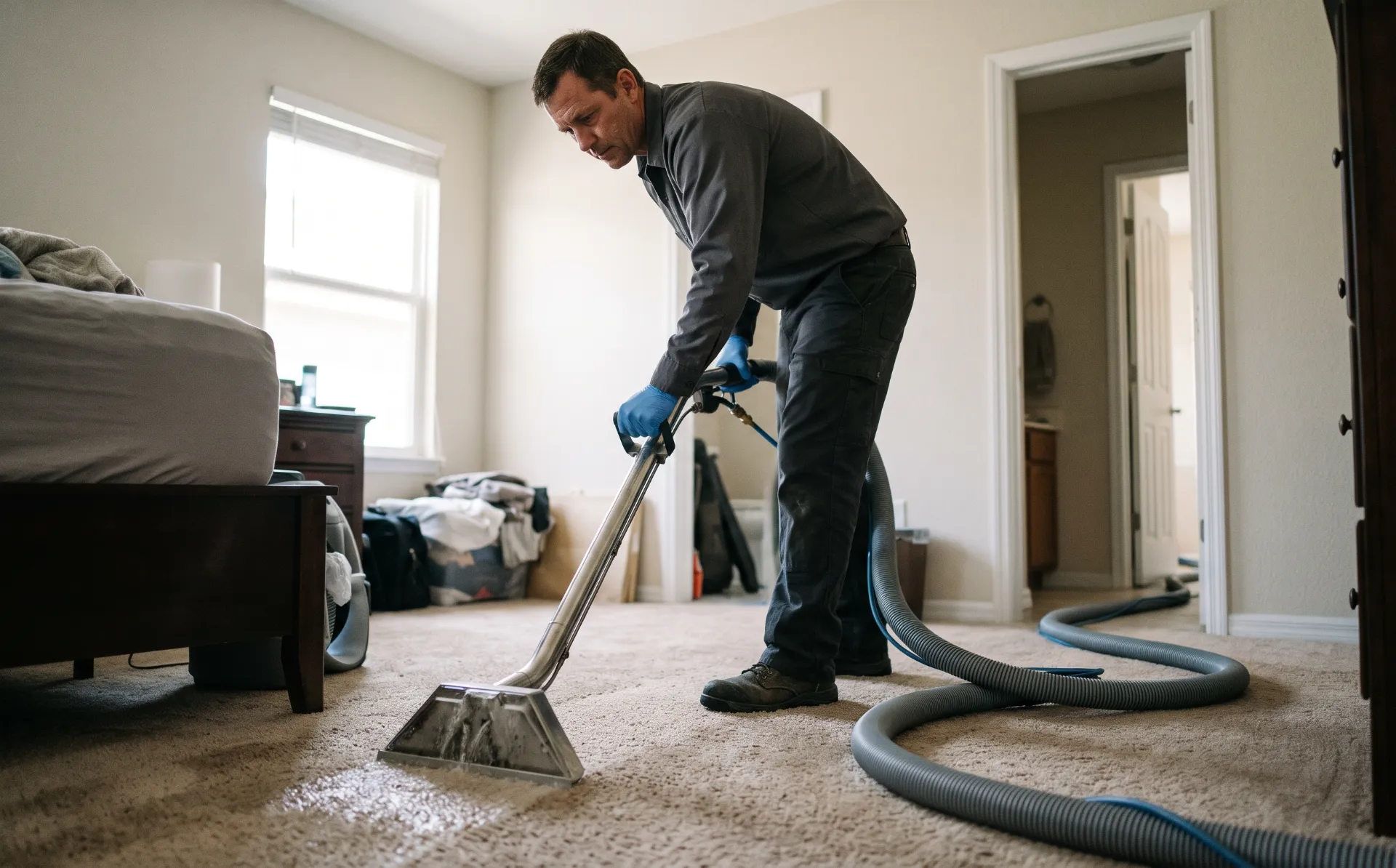
Standing water extraction Crews remove liquid water using truck-mounted extractors, portable units, and submersible pumps when water is deep.
Wet material removal When carpet pad, drywall, insulation, or laminate cannot be dried in place, we explain why in writing before cutting.
Drying and dehumidification Air movers evaporate moisture from surfaces while low-grain refrigerant or desiccant dehumidifiers pull it from the air.
Scheduled moisture monitoring We return on the schedule set in your drying plan, log updated moisture readings, and share that log with you.
Cleaning and claim records We clean and treat affected surfaces when the water source requires it, and compile photos and records for your claim.
 Summerlin · Demo photo
Why pulling out standing water is one step
Removing visible puddles helps, but water often moves into places a vacuum cannot reach. Drying results depend on the materials and conditions, and no drying method can prevent every issue.
Moisture beneath flooring Water can seep under carpet pad, laminate, or wood onto the slab below, where surface extraction cannot pull it out.
Dampness inside wall cavities Drywall and framing wick moisture upward from the floor. Wet insulation trapped inside a wall stays damp without drying.
Gradual material deterioration Prolonged dampness can warp trim, swell cabinets, and weaken drywall. Whether a material can be saved depends on the loss.
Contamination from floodwater Outside runoff carries oil, chemicals, pet waste, and debris. Porous materials soaked by dirty water often require removal.
Mold growth conditions The EPA says mold can grow in 24 to 48 hours. Drying lowers the moisture mold needs, but Dryline cannot promise it will not grow.
Odor and ongoing monitoring Lingering dampness causes musty odors. Meter readings during scheduled visits show when materials are actually drying.
How our flood cleanup process works
One project manager serves as your main contact from the first walkthrough to the final check. We explain each step clearly before moving forward.
- 1
Inspect and map moisture
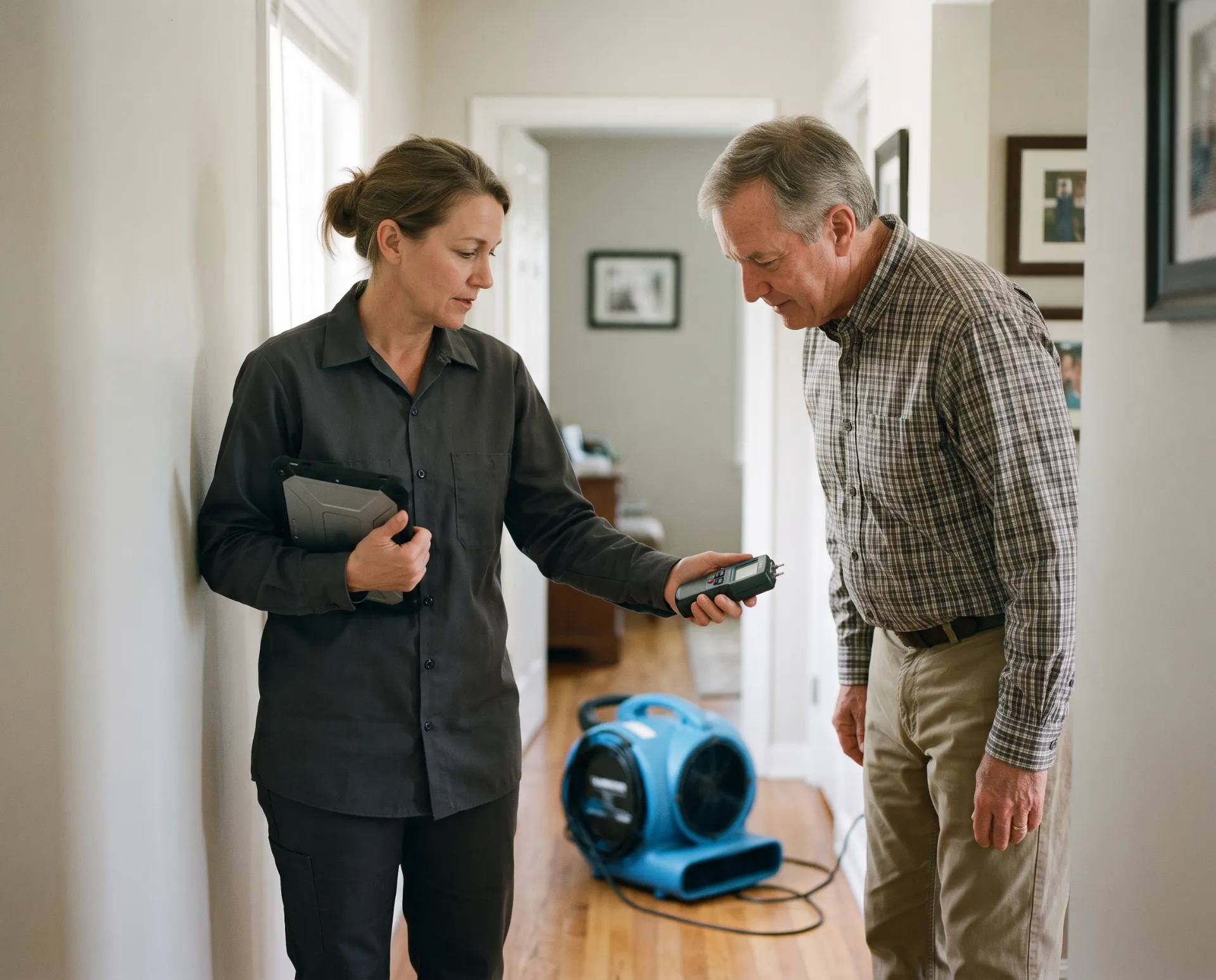
We walk the property at no charge, inspect wet areas with meters and thermal cameras, and give you a written scope and estimate.
- 2
Extract and assess materials
With a signed work authorization, crews pump out standing water and identify any saturated porous materials that need written approval to remove.
- 3
Dry, dehumidify, and monitor
We place air movers and dehumidifiers, set a monitoring schedule in your drying plan, and log moisture readings at each visit.
- 4
Clean up and plan repairs
After drying finishes, we complete cleaning and share your documentation. Our licensed crew can handle interior repairs or coordinate trade partners.
Claim records and work outside our scope
Clear paperwork helps your claim stay organized, and knowing our boundaries upfront helps you line up the right specialists when your property needs them.
Documentation we provide for claims
- Dated photographs of affected areas and materials
- Moisture maps and logged readings from each visit
- Equipment placement records and a completion record
- Line item estimates and invoices in adjuster format
- Direct adjuster communication with your permission
Work we do not perform in house
- Plumbing repairs to stop failed pipes or fixtures
- Waterproofing and exterior drainage corrections
- Foundation repair and structural engineering
- Independent environmental or mold testing
- Asbestos abatement, public adjusting, or legal advice
- Document freeze drying and electronics via partners
Your insurer decides coverage, and you owe your deductible and any uncovered costs. With your permission, Dryline works with every insurance company's adjuster.
Common flood cleanup questions
Is floodwater inside a home considered contaminated?
Water that rises from outside and enters a building is classified under ANSI/IICRC S500 as Category 3, meaning it is grossly contaminated and can carry oil, chemicals, pet waste, and debris. Indoor pipe or appliance leaks may start cleaner, depending on what the water contacts. Our technicians assess the water category on-site before deciding how to clean or remove materials.
How soon should flood cleanup begin after water gets in?
Starting extraction and drying early helps limit how far moisture spreads into flooring, baseboards, and walls. According to the EPA, mold can begin growing on wet materials within 24 to 48 hours. When you call Dryline, our coordinator gives you an honest arrival estimate for your address before you hang up, though we never promise a fixed arrival time.
How long does structural drying usually take?
Drying duration depends on the building materials, how long they stayed wet, and indoor conditions, and it often takes several days. Dense materials or heavy saturation can take longer to reach dry targets. We cannot promise a set number of days, so we track progress with moisture meter readings on the schedule written into your drying plan.
Will my wet drywall, carpet, or flooring have to be removed?
Whether a material can be saved depends on the water source, the material itself, and how long it remained wet. Soaked carpet pad is usually replaced, and porous materials like drywall or insulation often need removal when saturated or exposed to contaminated water. Dryline gives you a written reason before cutting out any material.
Can flood cleanup prevent mold from growing?
Early water extraction and thorough structural drying reduce the moisture mold needs, yet no restoration company can guarantee mold prevention. If mold is already present, our IICRC trained team handles remediation under an AMRT certified supervisor. Any mold testing before or clearance testing after must be done by an independent assessor you hire.
Does homeowners insurance cover flood cleanup?
Standard homeowners policies generally do not cover flooding from rising surface water, which usually requires a separate flood policy. Coverage for sudden indoor pipe or appliance leaks varies by policy, so check your policy or ask your agent. Your insurer always makes the coverage decision, and Dryline provides line-item estimates and job records to support your claim.
Can we stay in the home while drying equipment runs?
Dryline cannot give universal safety or occupancy advice, and we cannot tell anyone by phone that a building is safe to enter or live in. Whether you can remain inside depends on the water category, electrical or structural hazards, and how much of the home is affected. If there is a life safety concern, contact your utility provider or 911 first.
Related services

Cleaning up after storm water gets in
When monsoon rain or wind pushes water through a roof, window, door, or wall, Dryline cleans up the intrusion and dries affected homes and businesses.
Read moreStructural drying after water gets in
We dry walls, subfloors, and framing in Las Vegas valley homes and businesses using air movers, dehumidifiers, and logged moisture readings.
Read more
Cleanup for sewage and waste backups
Dryline extracts, cleans, and dries valley homes and commercial spaces after sewer backups, waste overflows, and outside floodwater.
Read more
Call Dryline for Las Vegas flood cleanup
We serve Las Vegas, Henderson, North Las Vegas, Boulder City, and surrounding Clark County areas. Website forms are read in office hours only and never confirm a crew, so call for active water.