
- Home
- Emergency Help
- Walls or floors are soaked
Drying soaked walls and wet floors
Dryline traces hidden water inside walls and beneath flooring, then sets up monitored drying for homes and businesses across the Las Vegas valley.
- Thermal imaging inspections
- Line item written estimates
- Insured Nevada contractor
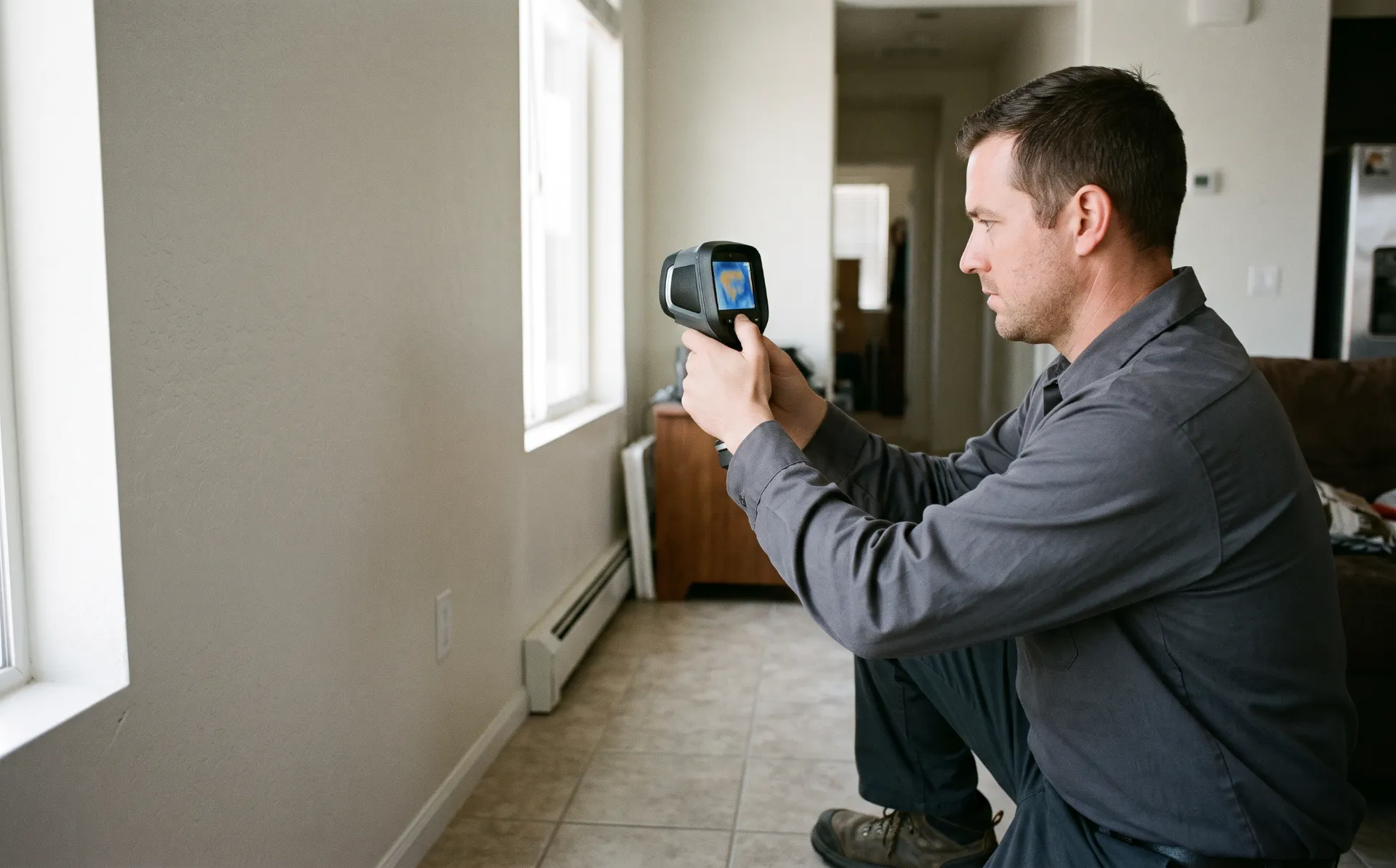 Henderson · Demo photo
What to do when walls or floors soak
Call 911 if anyone is in danger or electrical hazards are present. When the area is safe to access, these steps help limit secondary damage before moisture mapping begins.
Dryline cannot judge by phone whether damp walls or electrical circuits are safe. Stay out of standing water near outlets and call 911 if anyone is at risk.
- Stop the water source if possibleShut off a leaking supply valve or the main water line when you can reach it safely from a dry spot. Never step into electrically live water.
- Blot and mop surface water safelyWhen the water came from a clean source and power is off in wet areas, blot and mop surface puddles with dry towels.
- Lift furniture, rugs, and curtainsMove light furniture off wet carpet, set foil or wood blocks under heavy legs, and hang curtains or throw rugs clear of damp floors.
- Leave wet ceiling fixtures turned offDo not switch on ceiling fans, overhead lights, or wall outlets in damp areas, because hidden water may sit around wiring.
- Shut off HVAC if water hit ventsIf water reached floor registers, return vents, or air handlers, turn off heating and cooling until a technician inspects the system.
- Photograph areas and call DrylineTake clear photos of stained baseboards and flooring, then call us for moisture mapping, because water travels behind walls out of sight.
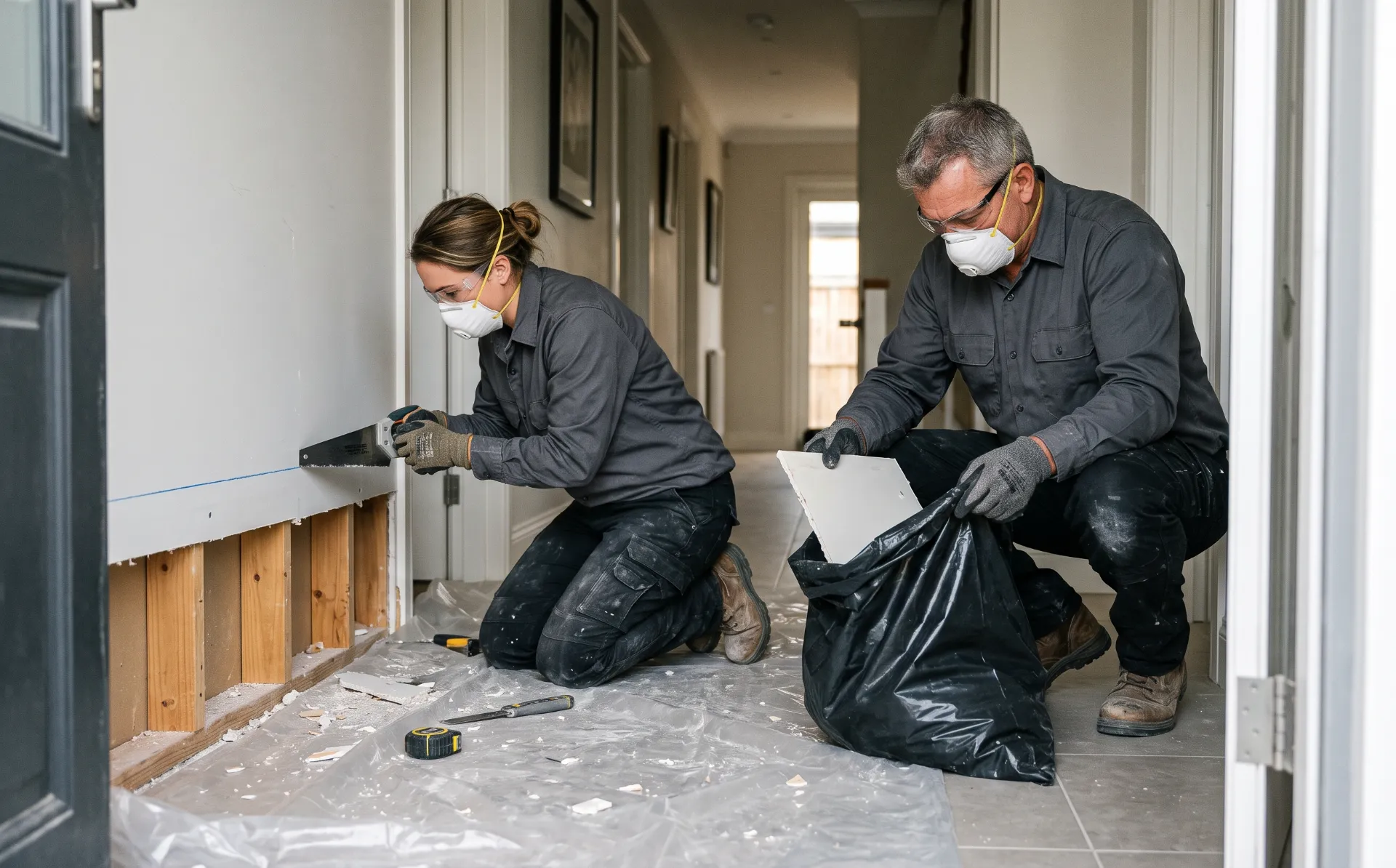 Spring Valley · Demo photo
How we map and dry hidden moisture
Calling Dryline puts you in touch with a live team member day or night. Here is how our crew inspects and dries wet building materials.
Phone triage with our team We ask where dampness appears, how the water entered, and whether power or HVAC vents were affected.
Honest arrival timing Before hanging up, you get an honest arrival estimate with no guarantee. Valley storms can lengthen response windows.
Meters and thermal cameras On a signed work authorization, we use thermal cameras confirmed by moisture meters and start extracting trapped water.
Written drying scope You review a written scope and price before additional work or any wall opening begins, with written reasons for removals.
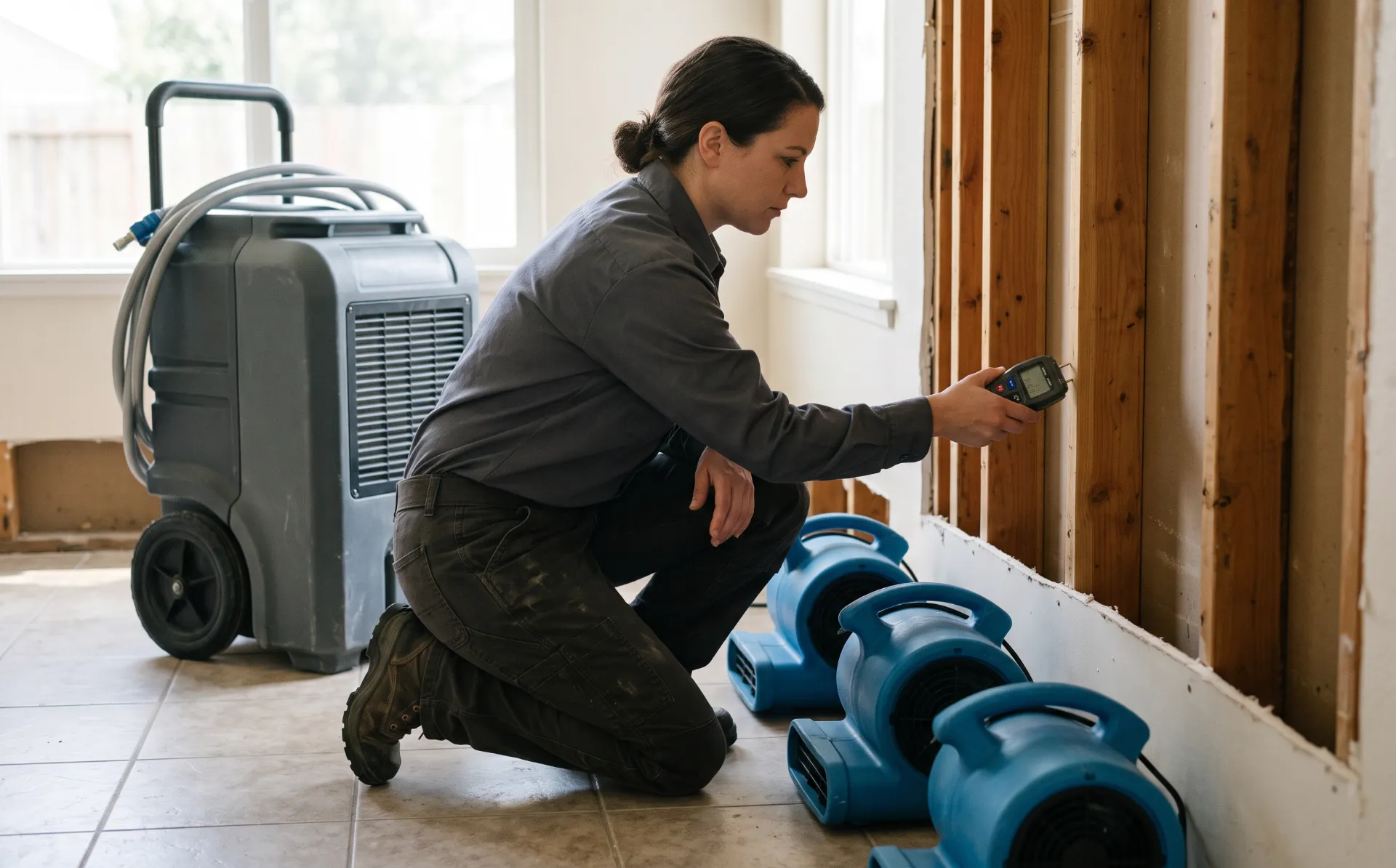
Verified dry readings We place air movers and dehumidifiers and record moisture readings at scheduled visits until materials match dry targets.
Questions about drying walls and floors
Can wet walls be dried without cutting them open?
Sometimes walls can be dried in place, depending on moisture readings, wall materials, insulation, and the water source. Saturated drywall, wet insulation, or contaminated water often require selective removal so framing can dry properly. Dryline never promises materials will be saved and always provides a written reason before cutting anything open.
Can hardwood or laminate floors be saved after water?
Salvage depends on the flooring type, how long water sat, and the water source. Laminate often swells and has to be removed once wet, while some hardwood can respond to targeted drying if addressed before severe cupping occurs. No outcome is guaranteed, and we explain what moisture meters show before making recommendations.
How do you know when walls and floors are truly dry?
We never guess by touch. Technicians take moisture meter readings at scheduled monitoring visits and compare them against a dry reference area in the same building, logging every reading for you to see. According to the EPA, mold can begin growing within 24 to 48 hours on wet materials, so thorough drying matters, though mold prevention is never promised.
How long does drying equipment run, and is it loud?
Equipment runtime depends on the materials, saturation level, and indoor conditions, and drying often takes several days with no fixed schedule. Commercial air movers and dehumidifiers create steady fan noise and draw household electricity while operating. Your project manager explains the setup and planned monitoring schedule before leaving equipment on-site.
Related pages

Structural drying after water gets in
We dry walls, subfloors, and framing in Las Vegas valley homes and businesses using air movers, dehumidifiers, and logged moisture readings.
Read more
Clear records for water damage claims
Dryline prepares the photos, moisture logs, and itemized estimates adjusters ask for, while you and your insurer make every coverage decision.
Read moreCleaning up after storm water gets in
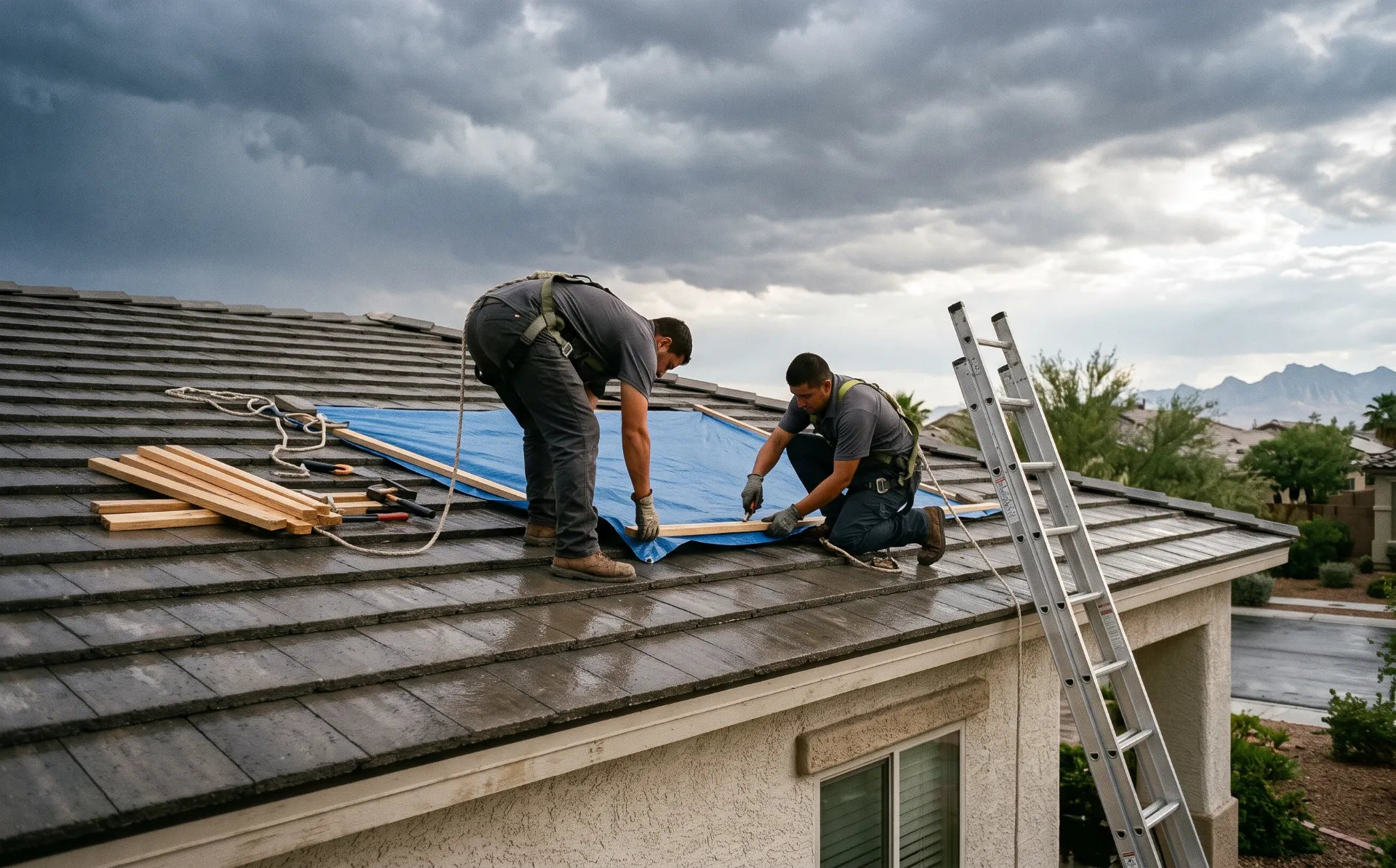
When monsoon rain or wind pushes water through a roof, window, door, or wall, Dryline cleans up the intrusion and dries affected homes and businesses.
Read more

Call for wall and floor drying help
Dryline serves Las Vegas, Henderson, Summerlin, Southern Highlands, and Mountain's Edge. Remember that website forms are handled in office hours only and do not confirm a crew visit.