
Handling wet documents and photos
Dryline separates, inventories, and packs water damaged files and photographs across the Las Vegas valley, then coordinates specialist freeze drying.
- Specialist partner drying
- Box level confidentiality
- Phone answered 24 hours a day
 Las Vegas · Demo photo
Paper records and photos we help protect
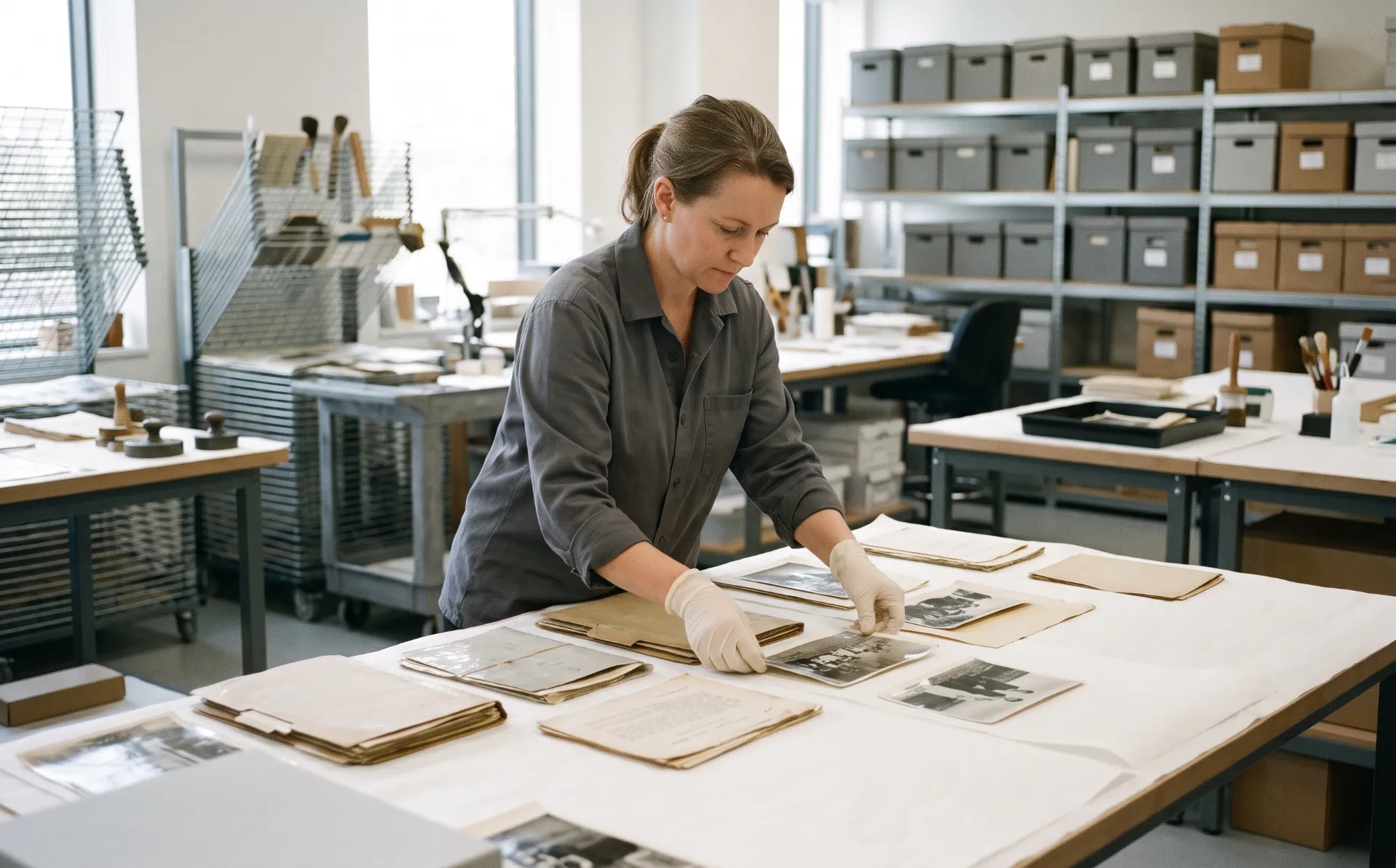
Water spreads through paper files and albums. We gather and pack wet paper items for specialist treatment while keeping dry records out of harm's way.
Business and office records
Client files, accounting binders, and archived paper boxes from offices or back rooms are sorted and packed by cabinet or shelf.
Tax and legal paperwork
Deeds, contracts, wills, and past tax returns are logged by container and prepared for transport to a document drying specialist.
Family photographs and albums
Loose prints and photo albums stick together when wet. We pack them carefully for specialist handling rather than pulling pages apart.
Books and bound volumes
Hardcover and paperback books swell as pages absorb moisture. Early packing helps prepare salvageable volumes for specialist drying.
Blueprints and large drawings
Rolled or flat architectural plans and site drawings are documented and packed to limit creasing and tearing during transport.
Medical and school records
Immunization forms, transcripts, diplomas, and personal health files kept at home are separated from dry paper and logged for transport.
 Green Valley · Demo photo
What Dryline handles for wet documents
Document freeze drying requires specialized equipment. Dryline handles the on-site steps and coordinates directly with our document restoration partner.
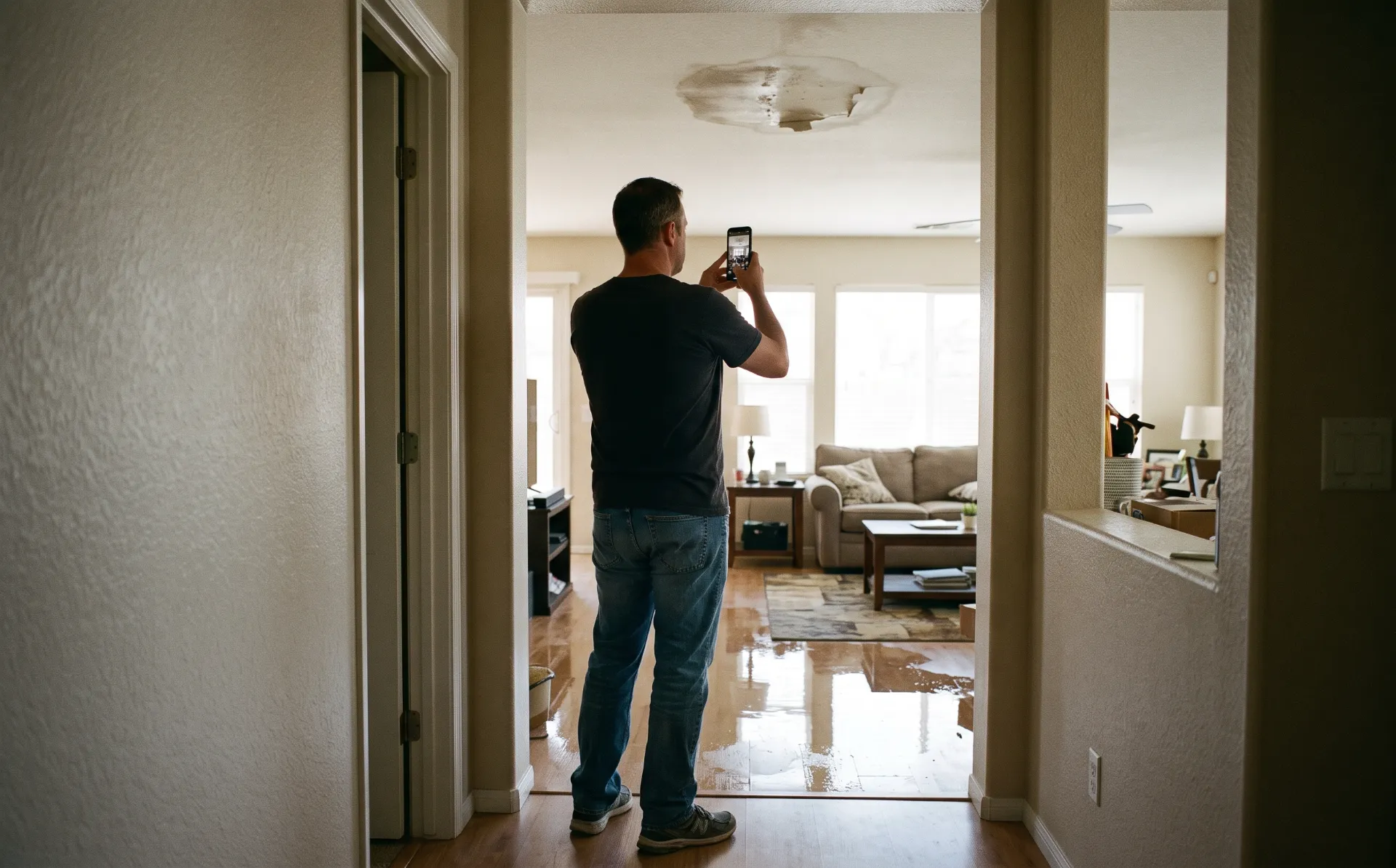
Initial on-site assessment We evaluate how wet your files are and note the water source so you know what may be sent for treatment.
Separating wet from dry Dry folders and boxes are moved away from damp paper so moisture does not transfer to unaffected records.
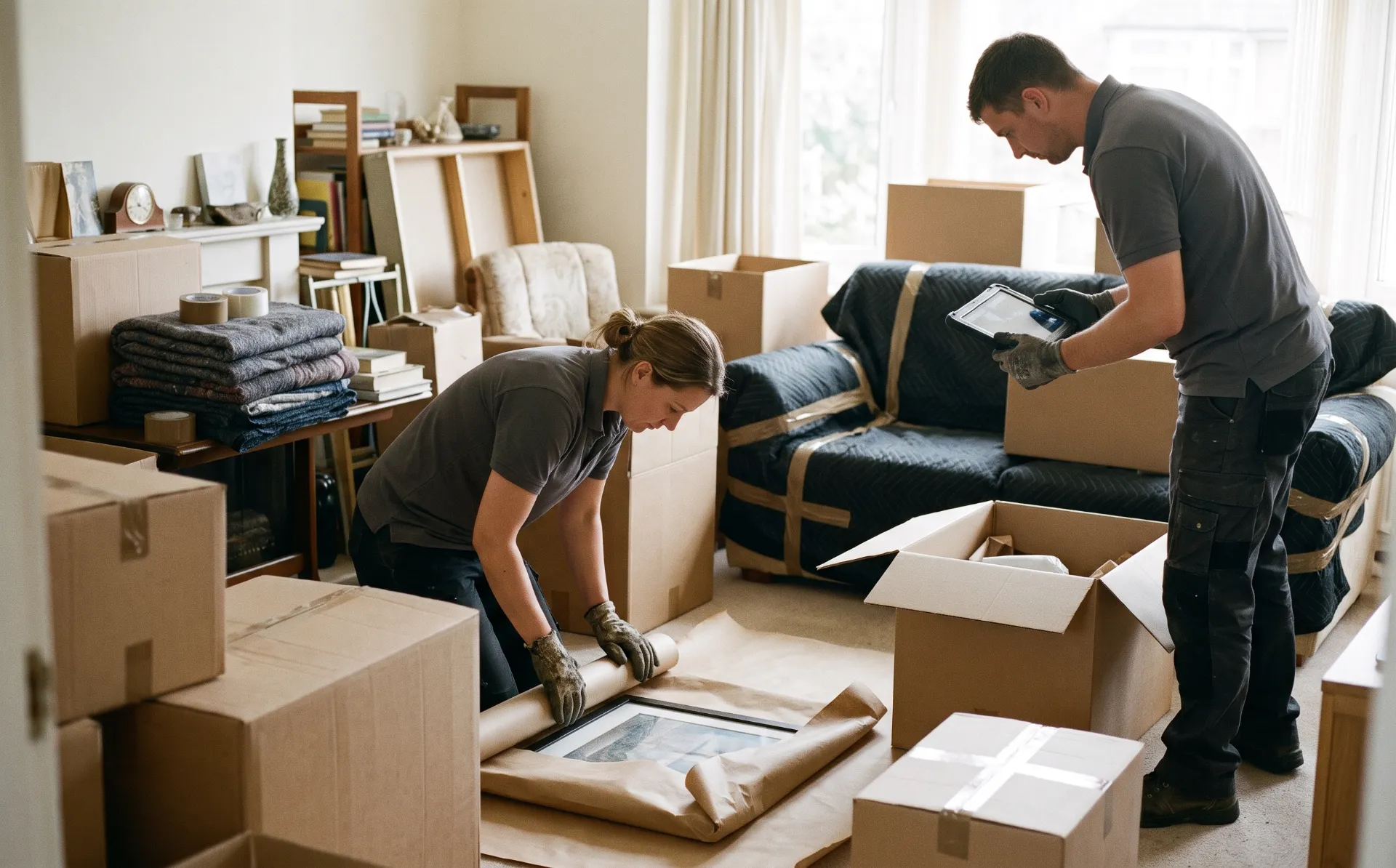
Box level photo inventory We photograph and label each box or container before transport so every batch is accounted for.
Packing for transport Wet files, books, and albums are packed in sturdy containers suited for transfer to the specialist facility.
Specialist coordination Your Dryline project manager coordinates freeze drying with our specialist partner and updates you on status.
Return and transfer record Once specialist drying finishes, we coordinate return delivery and provide a written log of what was sent.
 Henderson · Demo photo
Why timing matters with wet paper
Wet paper swells, inks can run, and glossy photograph surfaces stick together the longer they remain damp. According to the EPA, mold can begin growing on wet materials within 24 to 48 hours. Calling early helps our crew separate wet files from dry storage and pack them for specialist freeze drying before conditions worsen.
Even with specialist care, no outcome can be promised. Recovery depends on the paper type, the water source, and how long the records sat wet. Coated papers and documents soaked by sewage or outside floodwater are much harder to recover and may not be salvageable. Sharing accurate details upfront helps our coordinator plan the right steps.
- Where the water came from, such as a clean pipe or outside runoff
- Roughly how many boxes, cabinets, or albums got wet
- Which files are highest priority for business or legal needs
- Whether records contain confidential client or medical information
How wet document coordination works
We keep the handoff between your property and the document specialist clear and well documented.
- 1
Assess and inventory
Our crew reviews the wet files on-site, separates dry boxes, and creates a box level photo inventory.
- 2
Pack for transport
We pack wet records, books, and albums into labeled containers ready for transfer to the document specialist.
- 3
Specialist freeze drying
Our specialist partner performs freeze drying and paper treatment on a timeline based on the volume and moisture level.
- 4
Return to your property
Completed boxes are returned with a record of everything sent, and any non salvageable items are documented for your claim.
Boundaries and document privacy
Dryline does not perform document freeze drying in house. That specialized process is completed by our partner facility. To respect your privacy, our crew inventories containers at the box or binder level and does not read individual pages. Documents soaked by sewage or contaminated floodwater may not be salvageable and cannot be promised for recovery.
Questions about wet document recovery
Can water damaged documents actually be saved?
Many damp papers and books can be treated through specialist freeze drying, though salvage is never guaranteed. Results depend on the type of paper, the water source, and how long the files stayed wet. Records soaked by contaminated water are often not salvageable and may need to be documented for your insurance claim instead.
What about wet family photographs and albums?
Photographs have coated emulsions that stick together easily when wet. Dryline packs wet prints and albums carefully and coordinates specialist treatment rather than drying them in house. Recovery depends on the photo type and water exposure, so no specific result can be promised.
How long does document freeze drying take?
Turnaround time is set by the specialist partner and depends on the volume of paper, how saturated the boxes are, and the current workload at their facility. Freeze drying is a gradual process designed to pull moisture out without turning paper brittle. Your Dryline project manager will share schedule updates as the partner provides them.
How do you protect confidential business or medical files?
Our crew inventories records by box, drawer, or binder label rather than reading through individual documents. Containers are labeled and tracked from your building to the specialist partner and back. Let our coordinator know if your office has specific chain of custody or privacy procedures.
Does insurance pay for document restoration?
Whether document treatment is covered depends on your homeowners or commercial policy, and your insurer makes that determination. With your permission, Dryline shares box inventories and estimates with every insurance company adjuster. You are responsible for your policy deductible and any costs your insurer does not cover.
What should I do with wet papers before your crew arrives?
Leave stuck pages and wet photo albums together instead of pulling them apart by force, since wet paper tears easily and photo surfaces can peel. If it is safe to reach dry boxes nearby, moving them away from active drips can keep moisture from spreading. For active leaks or flooding, call us so our team can assess the space.
Related services

Cleaning and storing your belongings
We pack-out, photograph, clean, and store household and office belongings at our Las Vegas facility while your property dries and is repaired.
Read moreRestoring wet furniture and fabrics
Dryline assesses, packs out, cleans, and stores wet furniture, clothing, and household fabrics across the Las Vegas valley, using specialists when needed.
Read more
Clear records for water damage claims
Dryline prepares the photos, moisture logs, and itemized estimates adjusters ask for, while you and your insurer make every coverage decision.
Read more

Ask about wet document pack-out
Dryline serves homes and offices across the Las Vegas valley and Clark County. Forms submitted online are read during office hours only and never confirm a crew.