
Restoring wet furniture and fabrics
Dryline assesses, packs out, cleans, and stores wet furniture, clothing, and household fabrics across the Las Vegas valley, using specialists when needed.
- IICRC Certified Firm
- Free on-site estimate
- Works with every insurer
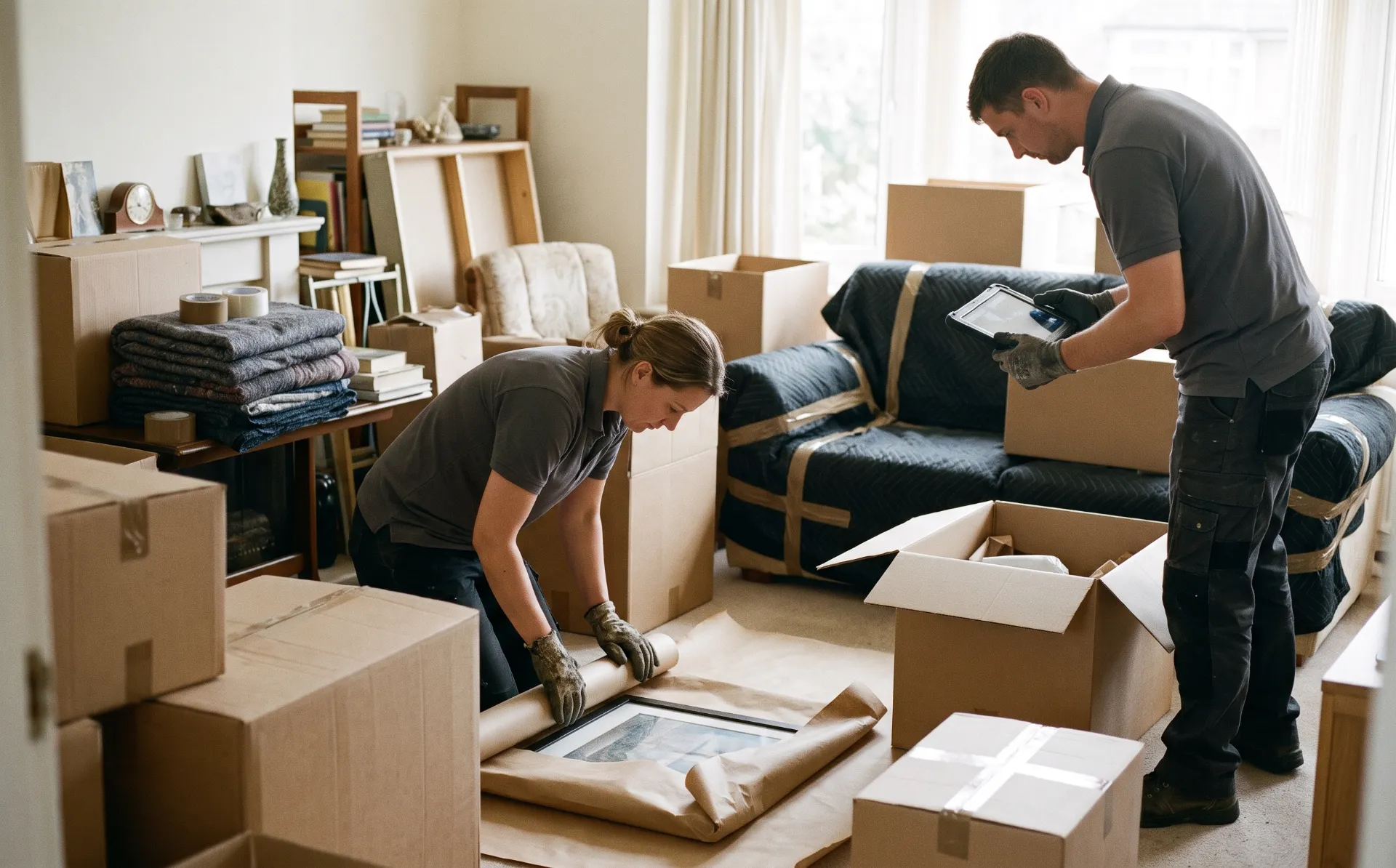 Green Valley · Demo photo
Furniture and fabrics we assess after water
Different furniture frames and fabrics react differently to moisture. We inspect each piece on-site so you know what may be cleaned and what should be documented for your claim.
Upholstered sofas and chairs
Cushions, batting, and fabric covers hold moisture deep inside. We evaluate the water source and soaking time before deciding on cleaning.
Wood tables and case goods
Solid wood pieces respond differently from pressed wood or laminate. We inspect joints, veneers, and finishes before moving or drying.
Mattresses and box springs
Thick foam and fabric layers trap moisture easily. We inspect exposure carefully and document non salvageable mattresses for your claim.
Everyday and closet clothing
Garments from damp closets or flooded bedrooms are sorted by water exposure and fabric type for cleaning or specialist care.
Bedding, linens, and curtains
Drapes hanging near flooded floors and wet blankets or towels are separated, inventoried, and evaluated for safe cleaning.
Area rugs and runners
Rugs absorb standing water and floor residue. Depending on weave and dye stability, certain area rugs go to specialist cleaning partners.
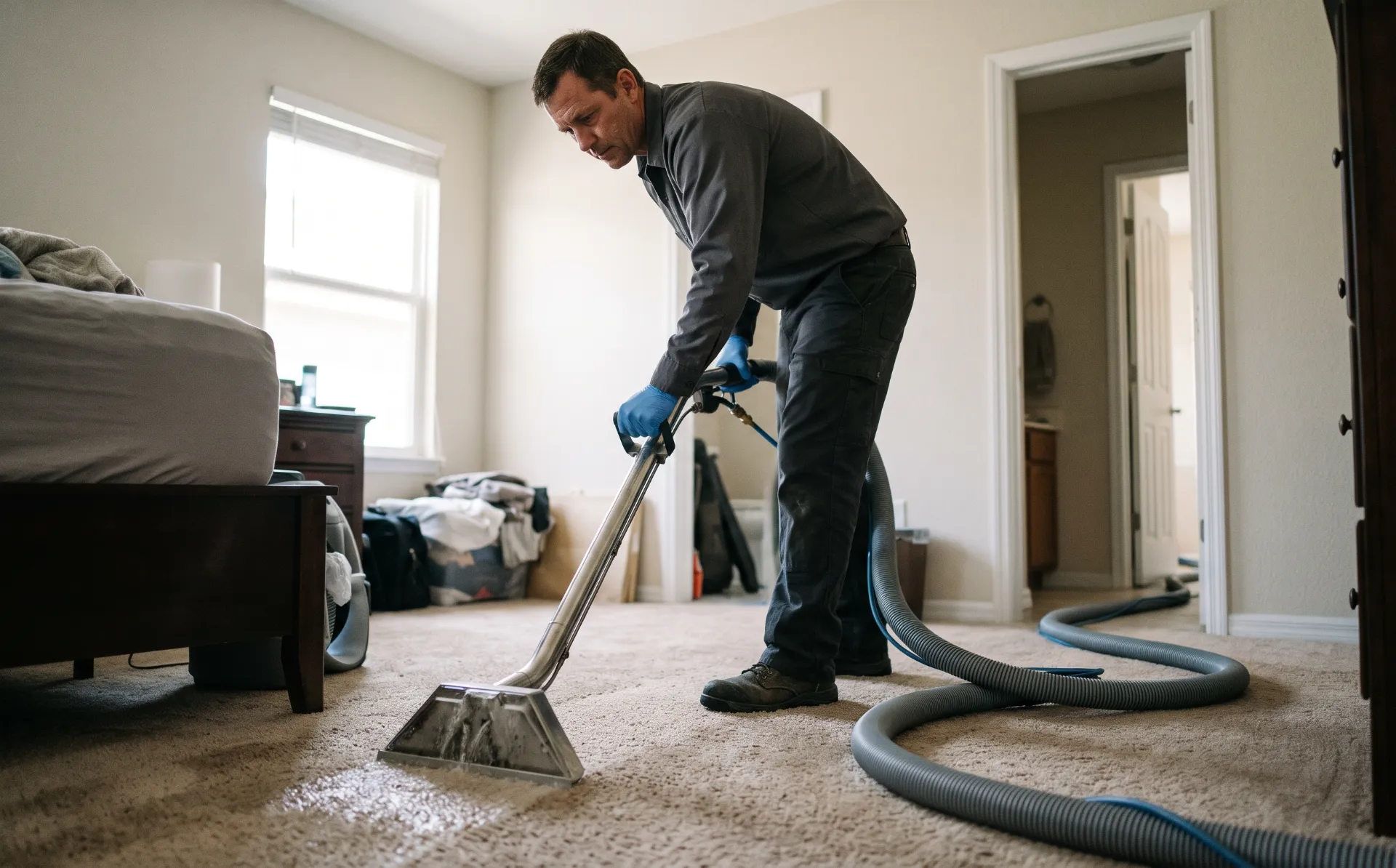 Las Vegas · Demo photo
What furniture and textile care includes
We handle standard cleaning and storage in house and coordinate specialist partners for delicate textiles or specialty rugs.
Item by item assessment Our crew checks each piece of furniture and fabric to separate salvageable items from likely claim losses.
Detailed photo inventory We photograph and tag every piece before it moves so condition and room placement are recorded clearly.
Protected pack-out Furniture is wrapped and textiles are packed into labeled containers for transport to our Las Vegas shop.
Cleaning and controlled drying Salvageable pieces are dried and cleaned, while specialty rugs and delicate fabrics go to specialist partners.
Las Vegas facility storage Cleaned furniture and boxed textiles stay at our Las Vegas facility until building repairs are finished.
Delivery and room placement We return stored items after reconstruction and set furniture back into the rooms where it belongs.
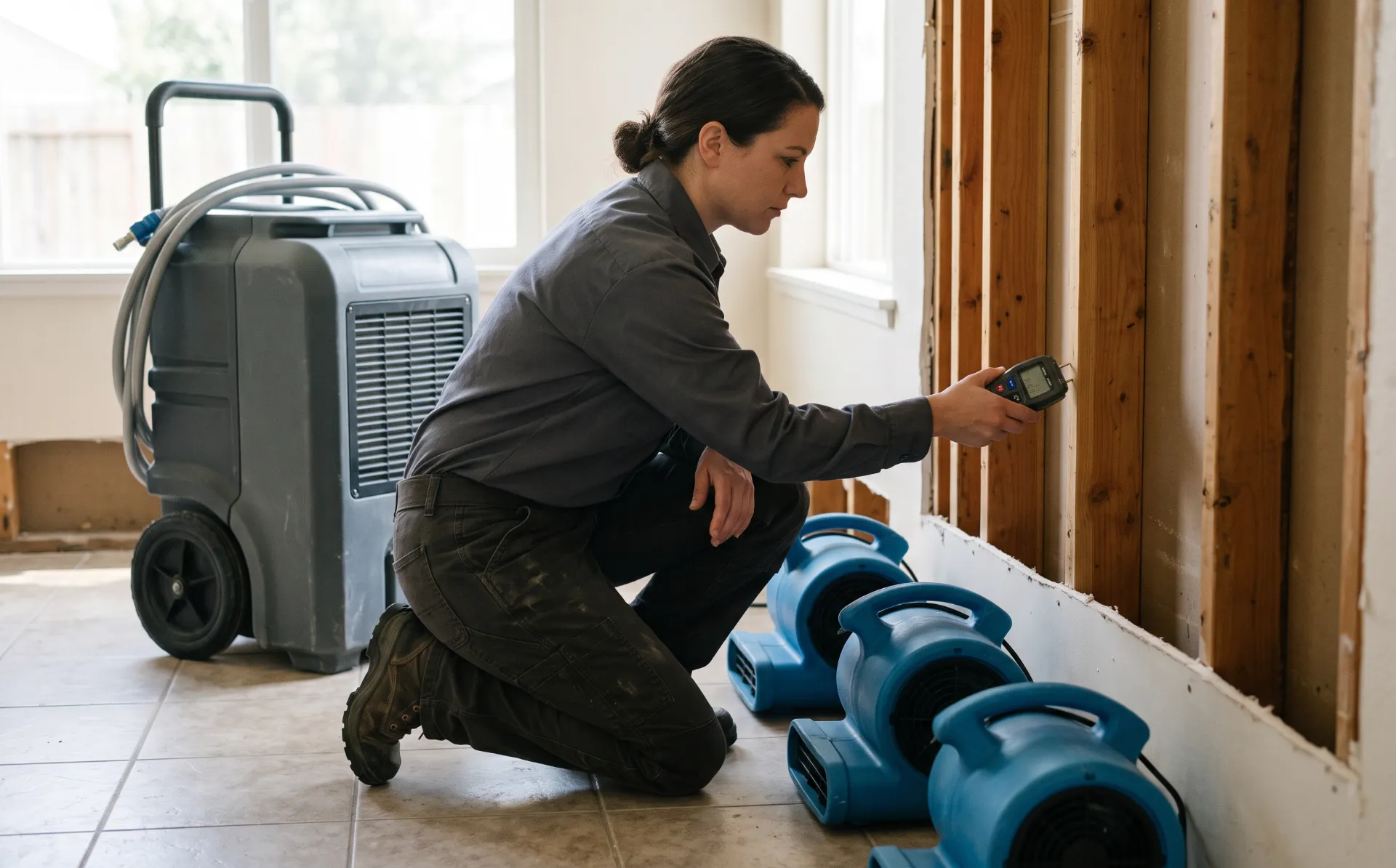 Summerlin · Demo photo
What decides whether an item can be saved
Salvage decisions start with four practical factors: the water source, how long the piece sat wet, how it is built, and your own wishes. Under ANSI/IICRC S500 standards, porous materials soaked by sewage or outside floodwater are generally not salvageable. Construction matters too, since solid wood frames hold up differently from particleboard or pressed fiber.
Because restoration outcomes are not guaranteed, we walk through borderline pieces with you before moving or disposing of anything. If an item is not worth cleaning or cannot be safely restored, we photograph and list it for your insurance adjuster and dispose of it only with your written or verbal agreement.
- Solid wood furniture with clean water exposure can often be dried
- Particleboard shelves and cabinets that swell usually cannot be saved
- Clothing exposed to clean water can often be cleaned and returned
- Porous cushions soaked by floodwater are usually not salvageable
How furniture and textile restoration works
Each step keeps your belongings documented and out of the way of structural drying equipment and repair crews.
- 1
Assess and inventory
We inspect furniture, rugs, and fabrics piece by piece, photograph their condition, and note which items may be cleaned.
- 2
Pack out from wet rooms
Our crew wraps furniture, boxes clothing and linens, and transports salvageable contents to our Las Vegas facility.
- 3
Clean, dry, and store
Items are dried and cleaned in house or sent to textile and rug specialists, then stored while your property is repaired.
- 4
Return to your space
When your floors and walls are finished, we deliver your furniture and textiles back and place them in their rooms.
Limits on furniture and fabric restoration
Dryline does not promise that any piece of furniture, rug, or garment can be saved. Wood refinishing, reupholstery, and certain specialty textiles or rugs require specialist partners rather than in house work. Mattresses, pillows, and other porous items soaked by sewage or contaminated floodwater are not cleaned and are instead documented for your claim.
Questions about wet furniture and textiles
Can a wet mattress be cleaned and saved?
Mattresses and pillows soaked by sewage or contaminated floodwater are not cleaned because porous padding cannot be safely disinfected. Even with clean water, thick foam and batting hold moisture deep inside, so salvage depends on how wet the mattress became and how long it sat. We photograph non salvageable mattresses for your insurance records before any disposal.
Why is particleboard furniture harder to save than solid wood?
Particleboard and pressed wood absorb water like a sponge, causing seams to swell, delaminate, and lose structural strength. Once pressed wood swells, drying does not return it to its original shape. Solid wood furniture often responds better to controlled drying, though warping or finish damage can still occur depending on exposure.
Can clothing and drapes from a wet room be restored?
Clothing, bedding, and curtains exposed to clean water can often be cleaned, while items soaked by contaminated water may not be salvageable. Certain delicate fabrics or specialty garments are sent to specialist textile partners for proper handling. We sort and inventory textiles on-site so you know what is being cleaned and what is listed for your claim.
How do you handle wet area rugs?
We inspect area rugs on-site to check the water source, fiber type, and whether dyes have started to bleed. Many rugs can be packed out and sent to specialist rug cleaning partners rather than dried on a wet floor. Salvage depends on the weave and contamination level, and no outcome is promised in advance.
Will my furniture still smell damp after drying?
Odor control starts with removing contaminated materials and thoroughly drying salvageable pieces before applying targeted deodorization. Whether lingering odors clear completely depends on the material, the water source, and how long moisture sat in the fabric or wood. If an odor cannot be resolved, we review your options with you.
Who decides what my damaged furniture is worth for insurance?
Your insurance company decides coverage and how damaged belongings are valued under your policy. Dryline supplies dated photos and itemized lists of cleaned and non salvageable contents, and with your permission we share that documentation with every insurance company adjuster. You remain responsible for your deductible and any amount not covered.
Related services

Cleaning and storing your belongings
We pack-out, photograph, clean, and store household and office belongings at our Las Vegas facility while your property dries and is repaired.
Read moreHandling wet documents and photos
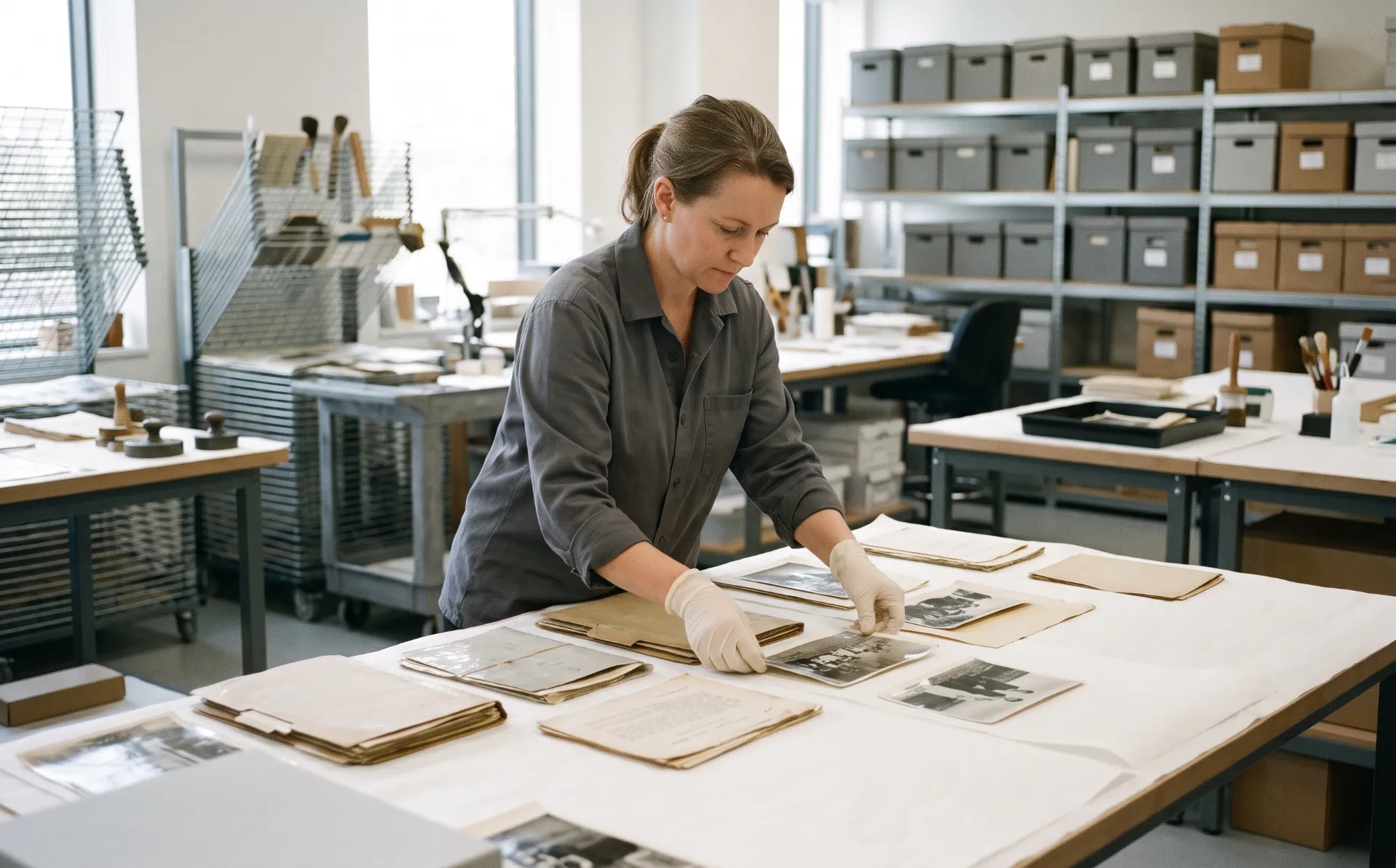
Dryline separates, inventories, and packs water damaged files and photographs across the Las Vegas valley, then coordinates specialist freeze drying.
Read moreClearing odors after water damage
We address musty and water related odors in Las Vegas valley homes and businesses by removing the wet source first, then cleaning, drying, and filtering the air.
Read more
Schedule a furniture and textile assessment
We serve homes and businesses across the Las Vegas valley and Clark County. Online form requests are reviewed during office hours only and do not confirm a crew.