Clean water within 24 to 48 hours
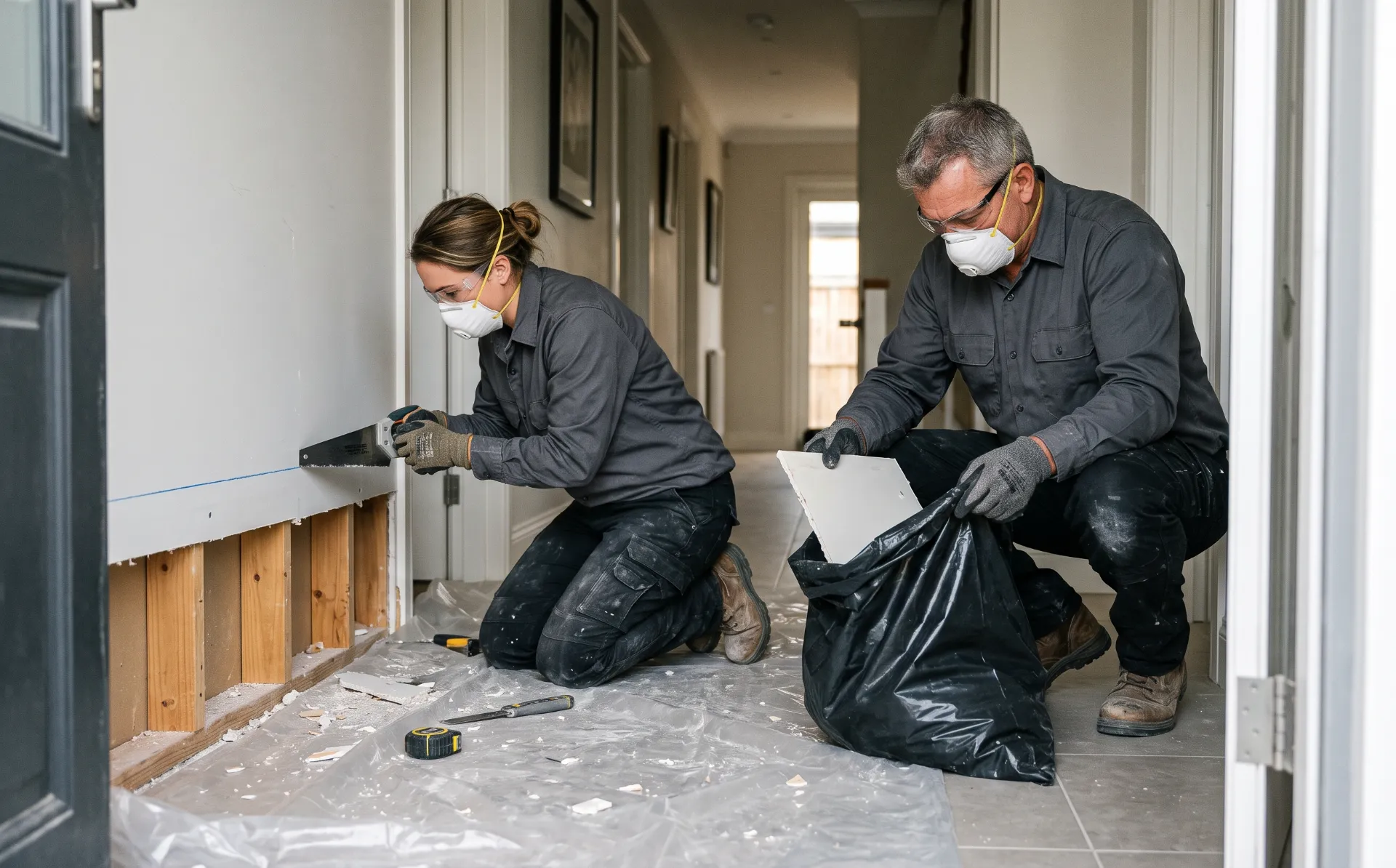
Under EPA guidance for clean water reached within 24 to 48 hours, drywall may be dried in place if there is no obvious swelling and the seams remain intact. According to the EPA, mold can begin growing on wet materials within 24 to 48 hours, so starting water extraction, airflow and dehumidification within that window matters for wall assemblies. When obvious swelling or seam damage appears along wet wallboard, the affected drywall is removed and replaced and the wall cavity is ventilated so framing can dry.
- EPA guidance allows drying clean-water drywall in place within 24 to 48 hours when intact.
- Obvious swelling or damaged seams call for removal, replacement and cavity ventilation.
- Mold can begin growing on wet materials within 24 to 48 hours per the EPA.
Floodwater, sewage and water categories
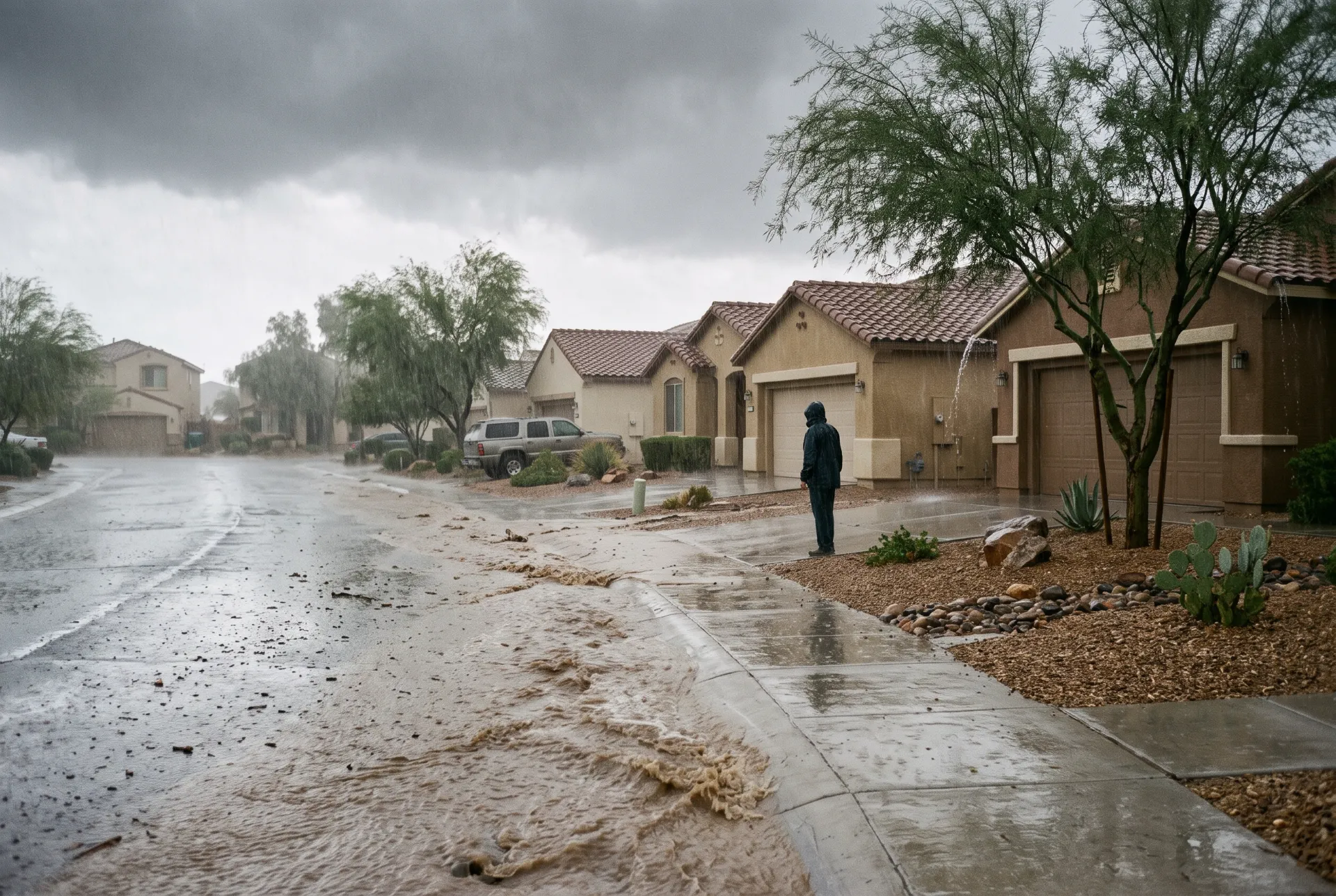
For floodwater or sewage, FEMA notes that flood-affected drywall and carpet are typically removed because of the poor quality of the water. Under ANSI/IICRC S500, water ranges from Category 1 clean sources and Category 2 significant contamination to Category 3 grossly contaminated water such as sewage or rising outdoor floodwater. Storm or wind-driven rain is not automatically Category 3 and is assessed on-site, while porous wallboard soaked by contaminated water is removed so framing can be cleaned and disinfected.
- FEMA notes flood-affected drywall and carpet are usually removed due to water quality.
- Porous materials soaked by contaminated water are generally not salvageable.
- Storm and wind-driven rain is assessed on-site under ANSI/IICRC S500.
Insulation and ceiling tile handling
Wet fiberglass and cellulose insulation are discarded and replaced rather than left damp inside a wall or ceiling cavity, and wet ceiling tiles are discarded. Saturated insulation holds trapped moisture against framing inside enclosed cavities where room airflow alone cannot dry it. Removing wet insulation along with any unsalvageable drywall or baseboards allows air movers and dehumidifiers to dry the open wall or ceiling cavity thoroughly before new materials are installed.
- Wet fiberglass and cellulose insulation are discarded and replaced.
- Wet ceiling tiles are discarded rather than reused.
- Removing wet insulation supports drying inside wall and ceiling cavities.
Written reasons and dry reference checks
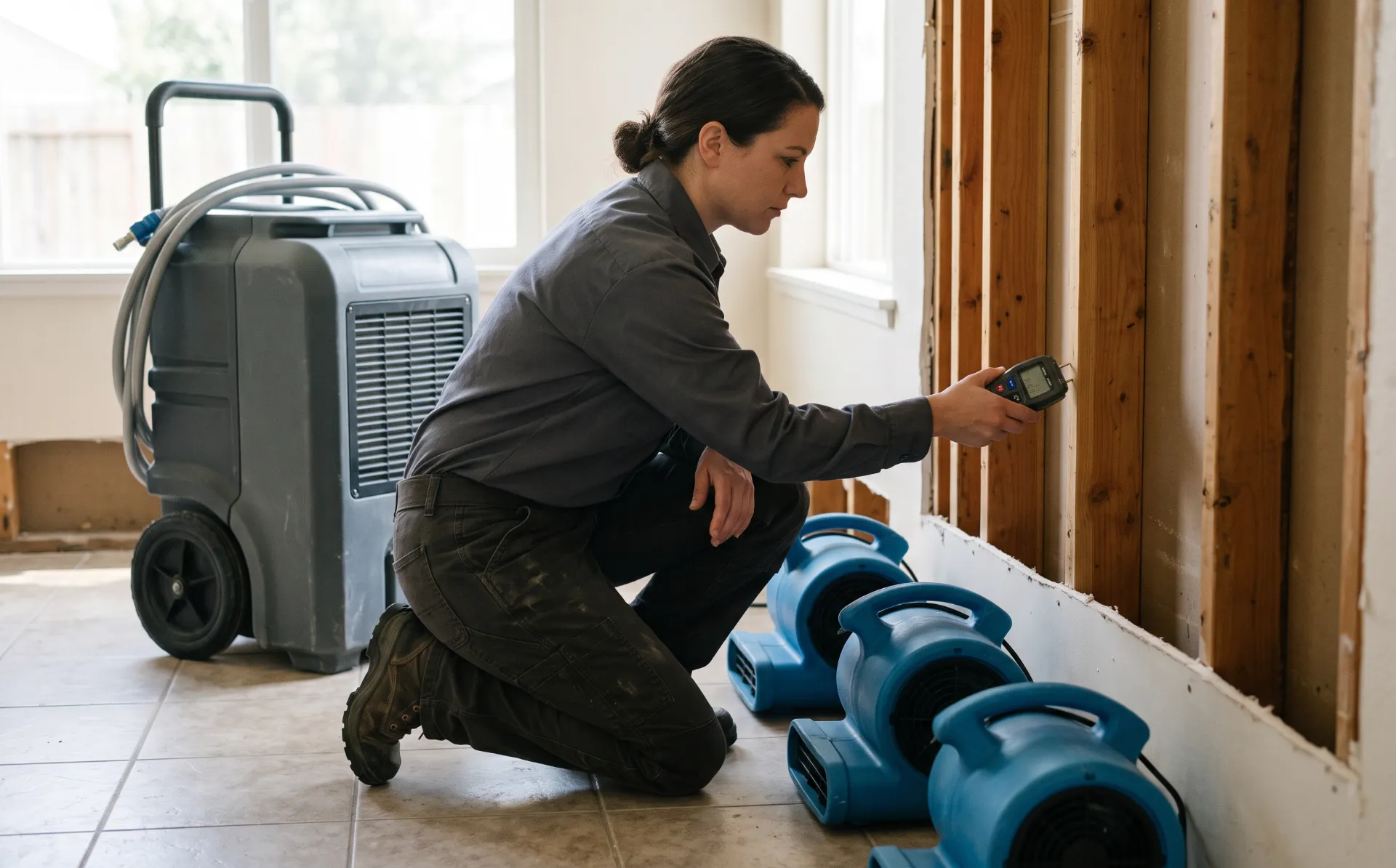
Dryline gives a written reason before any material is cut out and compares moisture readings against a dry reference point in the same building. Technicians use thermal imaging cameras to spot cooler surface areas on walls and confirm actual moisture levels with a moisture meter, then log readings at each monitoring visit until framing and remaining wallboard reach the drying goal. Whether drywall can be saved always depends on the water source, how long it stayed wet and its condition.
- Ask for a written reason before any wet drywall, baseboards or insulation are cut out.
- Readings are compared against a dry reference in the same building.
- Drywall salvage depends on the water source, exposure duration and seam condition.
Repairs and insurance documentation
When wet drywall and insulation must be removed, wall reconstruction covers replacing insulation and drywall along with matching texture and paint after the open framing cavity has dried. Before repair work starts, a written scope and line-item estimate outline the materials and rooms involved. Dated photographs, moisture readings, moisture maps, drying logs and itemized estimates document the loss for an insurance adjuster, while the insurer decides coverage and the customer owes any deductible and non-covered items.
- Wall reconstruction covers insulation, drywall, texture and paint under a written scope.
- Claim records include photos, moisture readings, drying logs and itemized estimates.
- The insurer decides coverage; customers owe their deductible and non-covered items.
Services outside Dryline’s wall and testing scope
Water mitigation and wall drying stay separate from environmental testing and mechanical or structural trades. Independent third-party assessors hired directly by the property owner perform any mold testing before remediation and clearance testing afterward, keeping testing separate from cleanup work. Asbestos abatement, structural engineering and plumbing repair of the failed pipe or fixture also require dedicated specialists before wall cavities are closed and refinished.
- Independent third-party assessors hired by the owner handle mold or environmental testing.
- Asbestos abatement, structural engineering and pipe repair require separate trades.
- Repair the failed pipe or fixture before closing and repainting opened wall cavities.
What to remember
Whether wet drywall can be dried in place or must be removed depends on water quality, timing, seams, swelling and measured moisture readings.