
Why flood and homeowners policies differ
According to the Nevada Division of Insurance, standard homeowners policies do not cover flooding from rising surface water. Flood protection requires a separate policy issued through the National Flood Insurance Program, which is run by FEMA, or through private flood insurers. Both property owners and renters can buy separate flood policies for a building or its contents, so reviewing your policy documents with an insurance agent helps clarify where one policy ends and the other begins.
- Standard homeowners coverage generally excludes rising surface water
- Both property owners and renters may purchase flood coverage
- Check your policy or ask your agent about your specific coverage
Waiting periods and when coverage starts
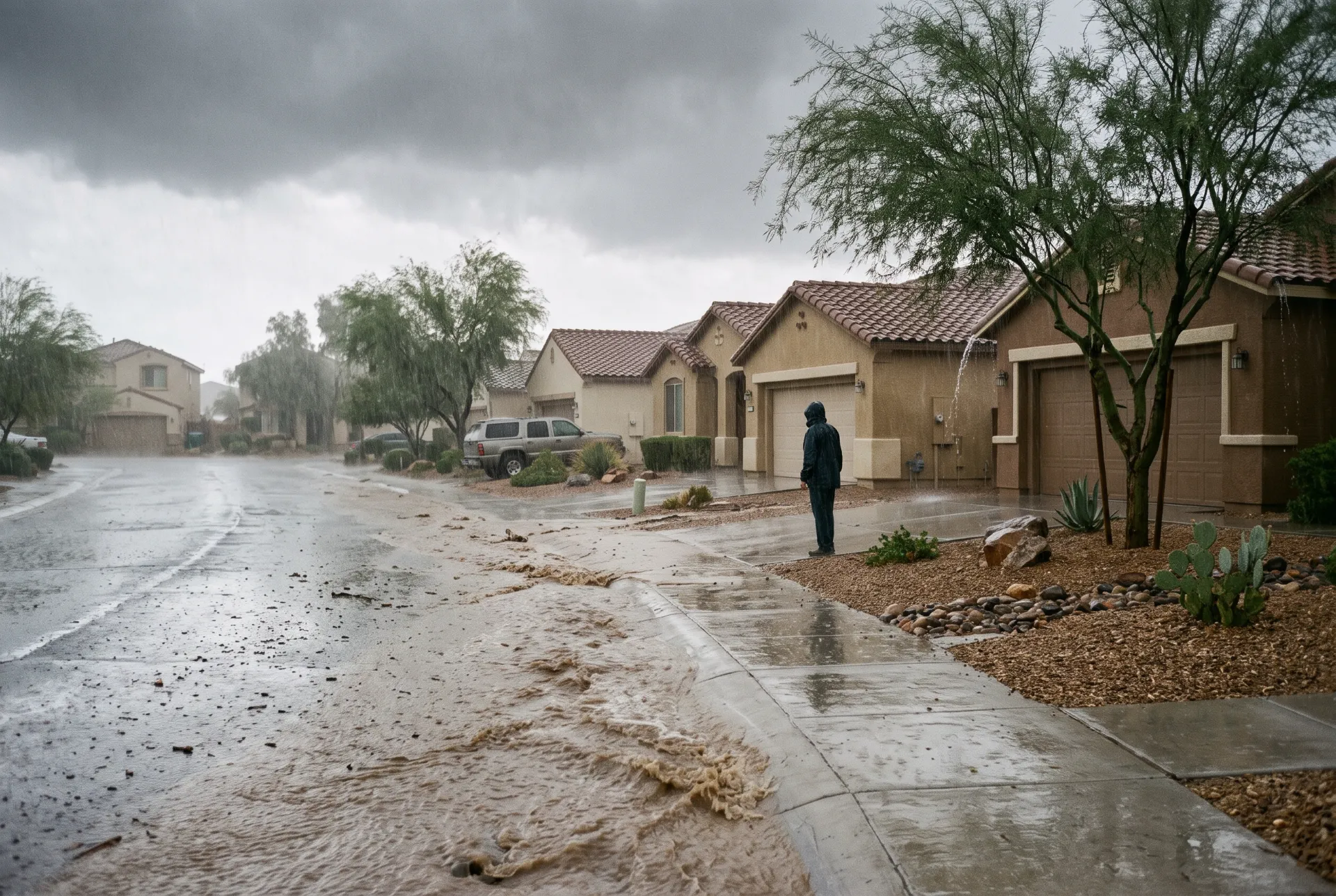
According to the Nevada Division of Insurance, a flood policy typically takes up to 30 days to go into effect after purchase. Buying coverage well ahead of storm activity matters in the Las Vegas valley, where the National Weather Service notes the official monsoon season runs from June 15 to September 30. Because sudden desert storms can send runoff flowing downstream to streets where no rain fell, waiting until dark clouds build over the valley is usually too late for a new policy to apply.
- National Flood Insurance Program policies usually carry a waiting period
- Official monsoon season in the valley runs from June 15 to September 30
- Arrange flood coverage well before seasonal storm runoff becomes a risk
Coverage limits and what NFIP excludes
According to the Nevada Division of Insurance, National Flood Insurance Program limits reach up to $250,000 for a home structure and up to $100,000 for personal contents. Building and contents coverage carry separate limits and are not combined into one pool. That federal program does not cover temporary living expenses while repairs happen, vehicles, outdoor property, or most items kept in basements and crawlspaces, though basements are uncommon in Las Vegas valley homes.
- Separate structural and contents caps apply under NFIP policies
- Vehicles and outdoor property are excluded from NFIP coverage
- Ask your agent if you need broader or private flood terms
Risk beyond designated flood zones
According to the Regional Flood Control District, 20 to 25 percent of National Flood Insurance Program claims come from properties outside mapped Special Flood Hazard Areas. Lenders mandate flood insurance only for buildings inside a Special Flood Hazard Area when backed by a federal loan, so many valley owners carry no flood policy at all. Even outside mapped zones, heavy rain falling on hard, dry desert soil and wide expanses of pavement can send surface runoff across neighborhood streets.
- Claims occur outside mapped Special Flood Hazard Areas
- Loan rules govern when flood coverage is mandatory
- Hard desert soil and pavement can channel storm runoff across streets
How Dryline supports your claim records
An insurance carrier always decides what a policy covers, and the property owner owes the policy deductible along with any work outside the policy terms. When a customer gives permission, our team shares organized field records directly with the assigned adjuster to show what got wet and how drying progressed. Those records include dated photographs, moisture readings with a moisture map, the drying log, equipment records, a line-item estimate in standard adjuster format, the invoice, and a completion record.
- Field records and drying logs are shared only with customer permission
- Public adjusters or attorneys handle claim negotiations with carriers
- Property owners remain responsible for the policy deductible
What Dryline does and does not handle
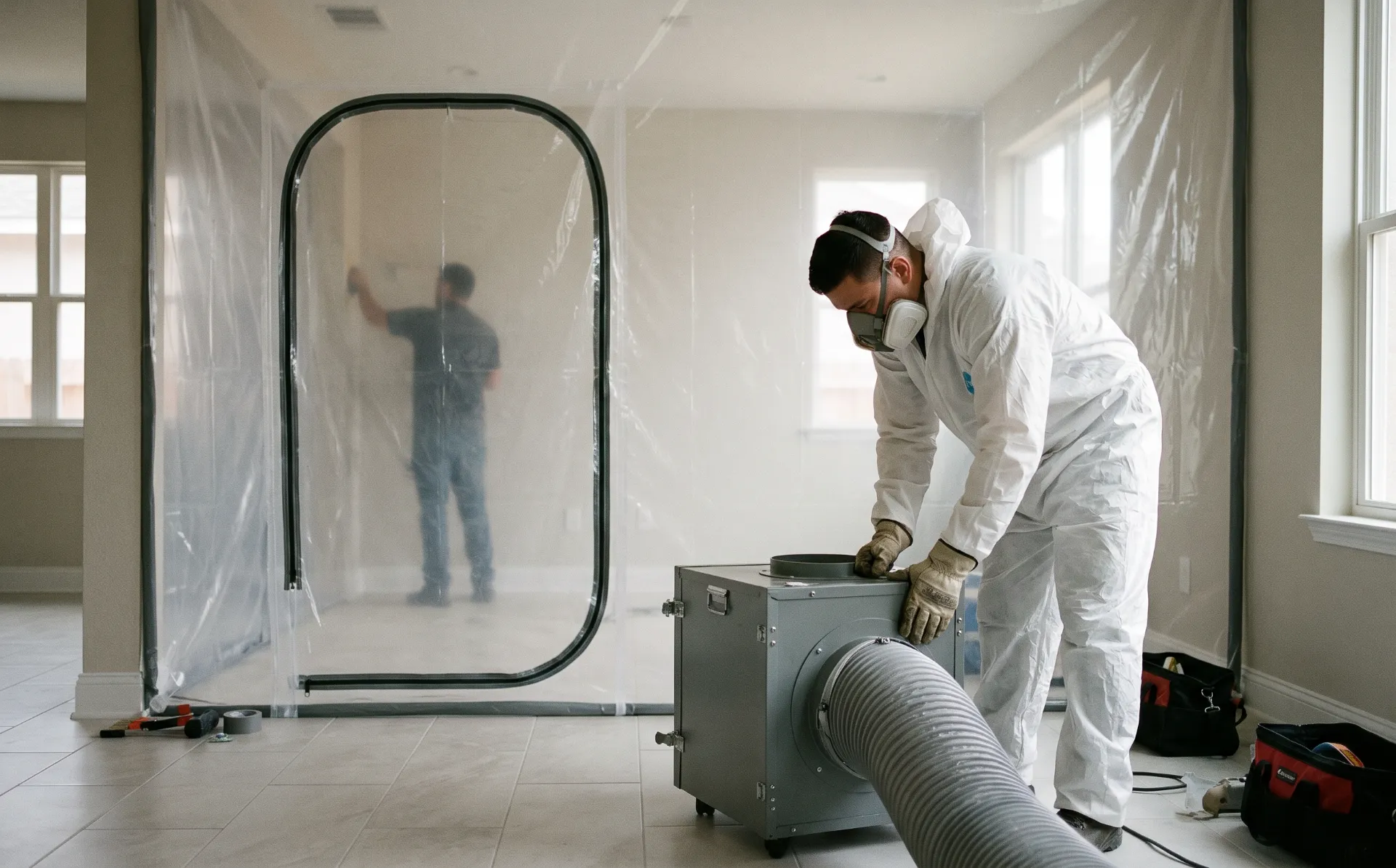
Understanding which trades handle each part of flood recovery helps property owners line up the right specialists early. Our crews handle water extraction, structural drying, contents packing and storage, IICRC trained mold remediation, and licensed reconstruction of drywall, flooring, cabinets, and trim. Separate licensed professionals or independent assessors handle plumbing pipe repairs, permanent roof work, electrical repairs, tree removal, structural engineering, waterproofing, environmental testing, and legal advice.
- Licensed trade partners handle roofing, plumbing, electrical, and HVAC
- Independent assessors handle mold testing and clearance
- Building safety requires an on-site check rather than a phone opinion
What to remember
Review your policy declarations with your insurance agent well before monsoon season so you know what is covered and what requires a separate flood policy. If water is actively coming into your building, call for cleanup help.