Electrical and gas safety checks
According to the CDC, never switch power on or off or use electric tools while standing in water, and call an electrician if the main switch cannot be reached from a dry spot. Standing water near electrical panels, switches or appliances must be addressed safely before any water cleanup begins inside the room. If you smell gas, leave the building at once without touching any switches, and contact the gas company or fire department from a safe spot outside.
- Never switch power on or off or use electric tools in standing water per the CDC.
- Call an electrician if the main electrical switch is not reachable from a dry area per the CDC.
- Leave at once and call the gas company or fire department if you smell gas.
Staying clear of contaminated water and HVAC
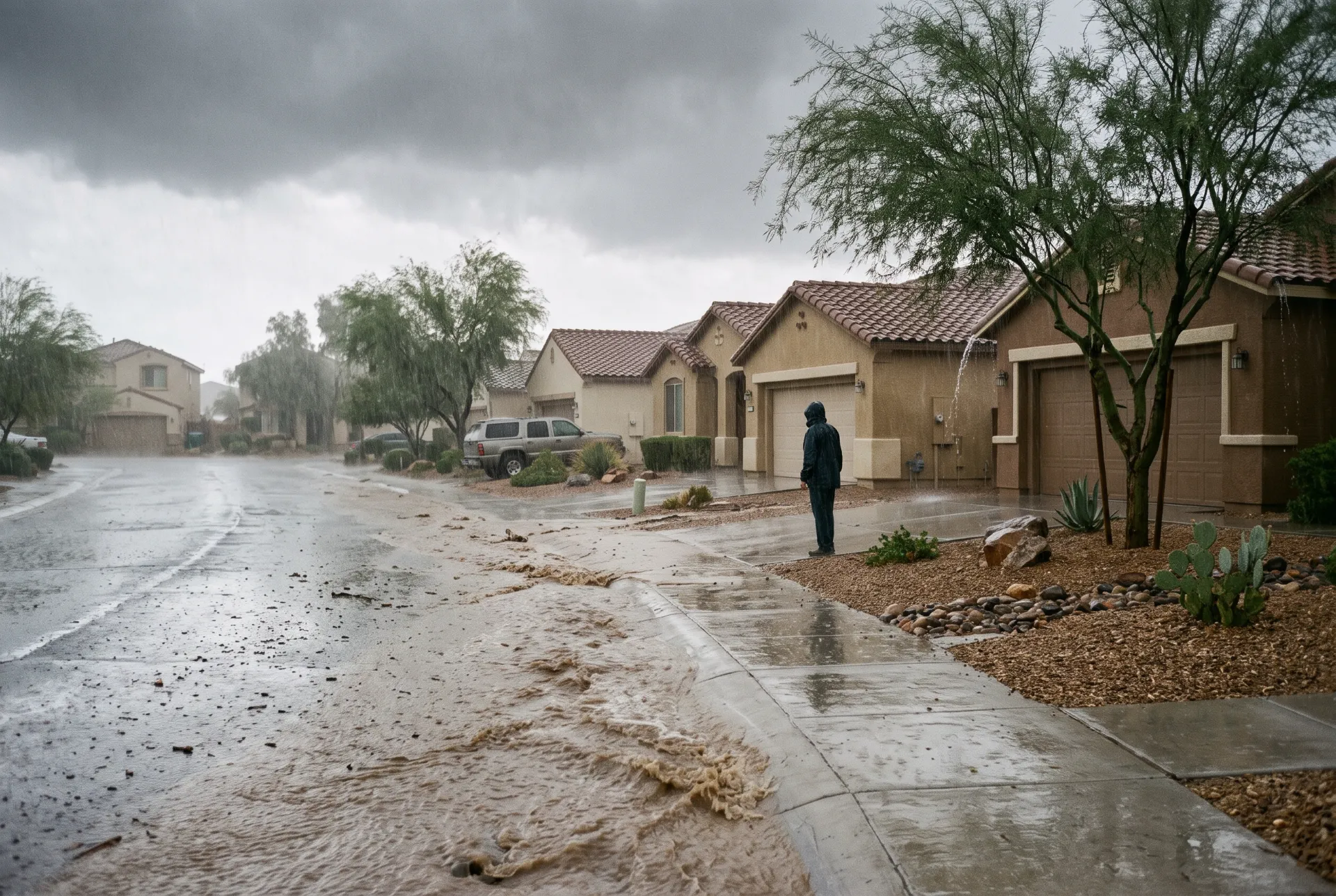
According to the CDC, floodwater can carry human and animal waste, hazardous waste and sharp debris, so staying out of the water is the surest protection, and children and pets should stay away from it. Walking or wading through indoor puddles exposes skin and footwear to unseen debris and surface contamination before cleanup begins. According to the EPA, do not run an HVAC system that floodwater has reached, since running flooded heating or cooling equipment can push contamination into ducts and living areas.
- Stay out of floodwater and keep children and pets away per the CDC.
- Floodwater may contain waste, hazardous materials and sharp debris per the CDC.
- Do not run an HVAC system reached by floodwater per the EPA.
Documenting damage for a claim
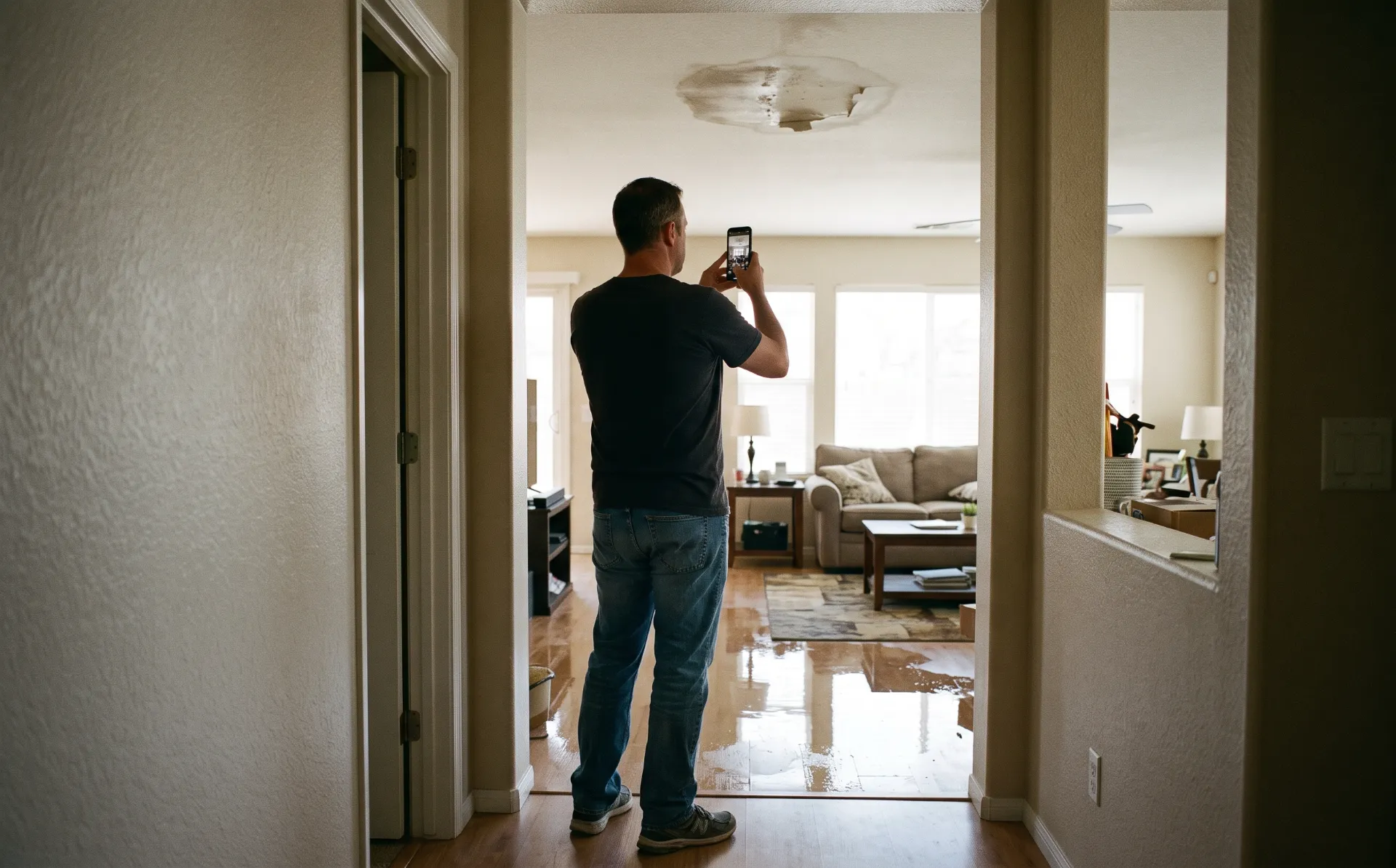
According to FloodSmart from FEMA, photograph and video damage before cleaning or discarding items, including water lines on walls and serial numbers of damaged appliances. Only take photos from dry, safe spots once electrical and gas hazards have been checked. Clear, dated photographs of rooms, flooring, baseboards and damaged contents establish what water reached before extraction, pack-out or wet material removal changes the appearance of affected areas for an insurance adjuster.
- Take photos and video before cleaning or throwing items away per FloodSmart (FEMA).
- Capture water lines on walls and appliance serial numbers per FloodSmart (FEMA).
- Keep records organized for your insurer and restoration documentation.
Policy duties and keeping receipts
According to the Nevada Division of Insurance, your policy requires you to prevent further damage, so keep receipts for reasonable steps and expenses such as water extraction or temporary roof tarping and board-up. Saving invoices, signed work authorizations and expense receipts gives your adjuster clear records of emergency mitigation steps taken after water entered. Because the insurer decides coverage and policy terms vary, check your policy or ask your agent, and plan for any deductible or non-covered items.
- Policies require taking steps to prevent further damage per the Nevada Division of Insurance.
- Keep receipts related to mitigation and repairs per the Nevada Division of Insurance.
- The insurer decides coverage; ask your carrier or agent about your policy.
How requests are handled during a storm
Crews are on call nights, weekends and holidays for active water emergencies, though arrival times are never promised in advance and take longer during valley-wide storms. When storms affect multiple neighborhoods across the valley at once, incoming requests are handled in order of safety risk and active water still entering a building. Sharing clear details on active water entry, affected rooms and utility status when you call helps set an honest arrival estimate based on current storm conditions.
- During valley-wide storms, calls are prioritized by safety risk and active water.
- Crews are on call nights, weekends and holidays, though storm arrival takes longer.
- Share active water entry and utility details when calling for an arrival estimate.
What Dryline cannot say or do
A water mitigation company cannot state by phone that a building is safe to enter or live in without an on-site evaluation. Stopping a leak at its source or restoring damaged wiring also requires separate trades, since plumbing repair of a failed pipe or fixture and electrical repair fall outside water cleanup work. Independent third-party assessors hired by the property owner handle environmental or mold testing, while claim negotiation and legal advice belong to a public adjuster or attorney, and policy deductibles are never waived.
- No cleanup crew can state by phone that a building is safe to enter or live in.
- Electrical repair, pipe or fixture plumbing repair and mold testing are referred out.
- Public adjusters or attorneys handle claim negotiation, and deductibles are never waived.
What to remember
Check for electrical, gas and contamination hazards before documenting rooms or moving wet belongings. Call if water is still entering your property.