Carpet and soaked carpet pad
What happens to carpet after a leak depends on how long the fibers stayed wet, the water source, and whether moisture soaked through into the pad and subfloor beneath. According to the EPA, when clean water is reached within 24 to 48 hours, carpet and backing can be extracted and dried. Soaked carpet pad is usually replaced because dense padding traps liquid and is difficult to clear cleanly under flooring. Porous floor coverings saturated by contaminated water are generally not salvageable and require removal.
- According to the EPA, clean water carpet and backing may be extracted and dried within 24 to 48 hours.
- Soaked carpet pad is usually replaced instead of remaining beneath dried or reinstalled carpet.
- Porous flooring materials saturated by contaminated water are generally not salvageable.
Solid hardwood and laminate flooring
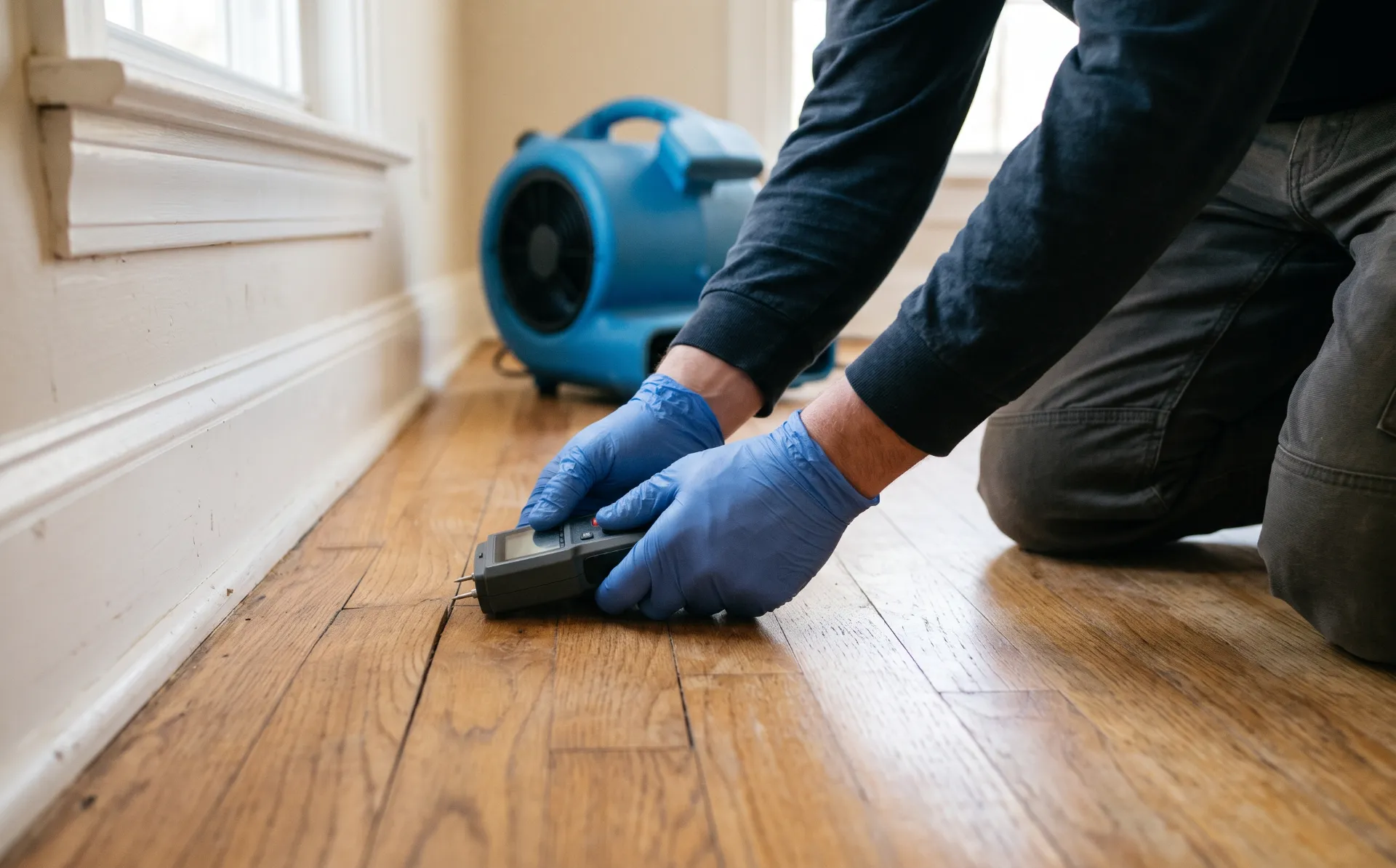
Wood and composite planks react very differently depending on how they are built and how far water travels into joints and subfloors. Solid hardwood can sometimes be dried in place when extraction and airflow begin early, while visible cupping or buckling means boards need replacement. Laminate flooring is often replaced after water exposure because moisture swells its fiber core and separates edge seams. Before wet laminate or baseboards are cut out or lifted, crews provide a written reason explaining why removal is needed.
- Solid hardwood can sometimes dry in place if addressed early, while cupping or buckling means replacement.
- Laminate planks are often replaced after wetting because moisture swells cores and edge seams.
- Removing wet laminate or baseboards includes a written reason before any material is cut out.
Ceramic tile, vinyl, and slab subfloors
Hard surface floors resist surface water better than carpet or laminate, yet water can still seep through grout lines, transitions, and perimeter edges. Ceramic tile and vinyl surfaces are cleaned and dried while the underflooring beneath them is checked for trapped dampness. Most Las Vegas valley homes are built slab-on-grade rather than over basements, so moisture often sits against concrete. According to the EPA, the subfloor must be dry before new flooring goes down, including a taped plastic slab test lasting about 16 hours.
- Ceramic tile and vinyl are cleaned and dried while the underflooring is checked for trapped moisture.
- Most valley homes sit on slab-on-grade concrete foundations rather than over basements.
- EPA guidance notes testing concrete slabs with taped plastic for about 16 hours before new flooring.
Drying equipment and heat caution
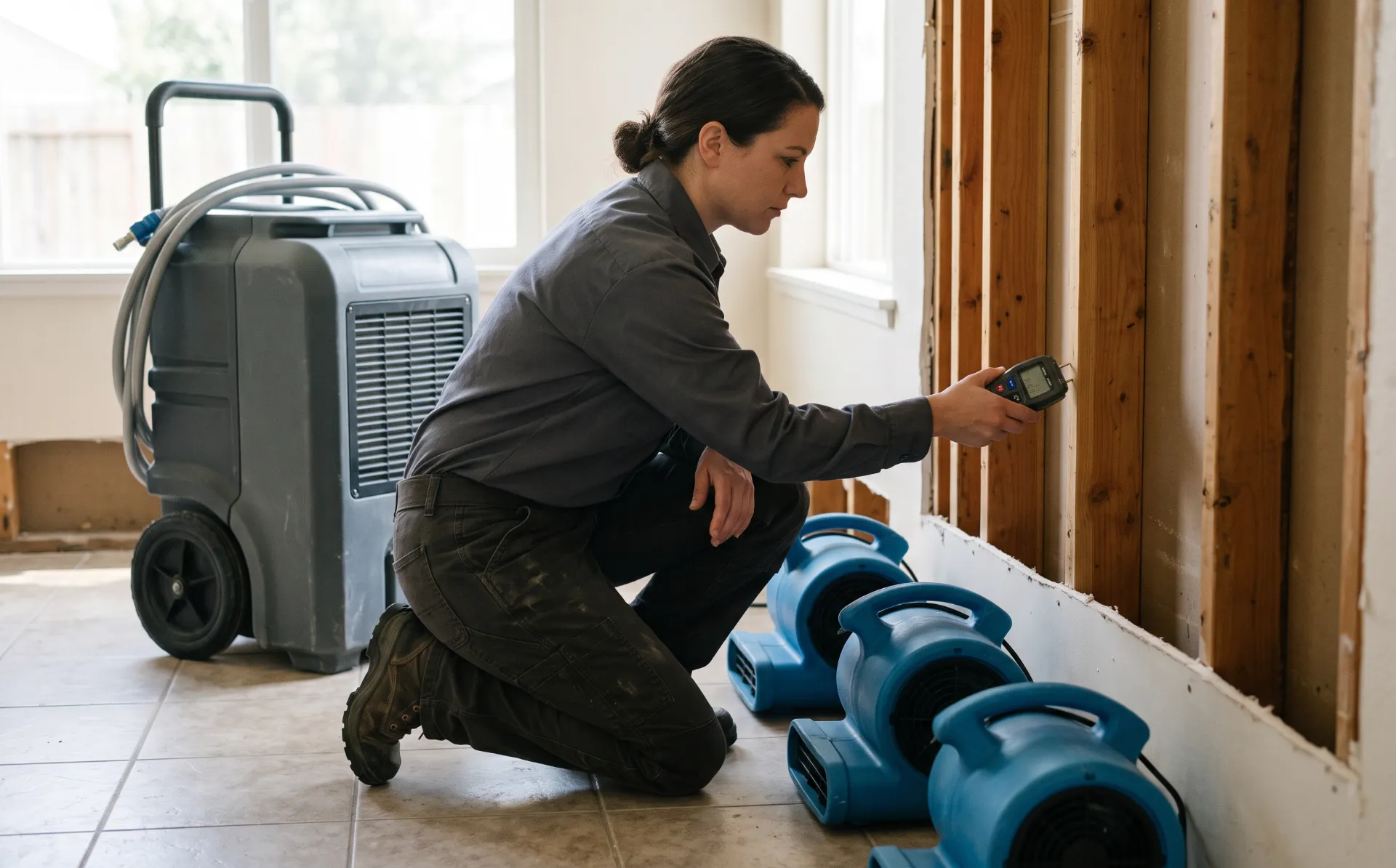
Drying time depends on the floor assembly, how long materials stayed wet, and indoor humidity and airflow, often taking several days rather than a fixed schedule. Wood surfaces need moisture drawn out steadily with dehumidifiers, gentle heat, and fans, using care when applying heat to hardwood floors so boards do not split or warp. Dryline confirms thermal camera checks with moisture meters alongside air movers and dehumidifiers, and logs readings at monitoring visits without promising drying times or material salvage.
- Wood floors dry with dehumidifiers, fans, and gentle heat, using care with heat on solid hardwood.
- Thermal imaging spots cool damp zones that technicians confirm directly with moisture meters.
- Drying logs record moisture readings at monitoring visits so property owners can track progress.
Mold timing and water categories
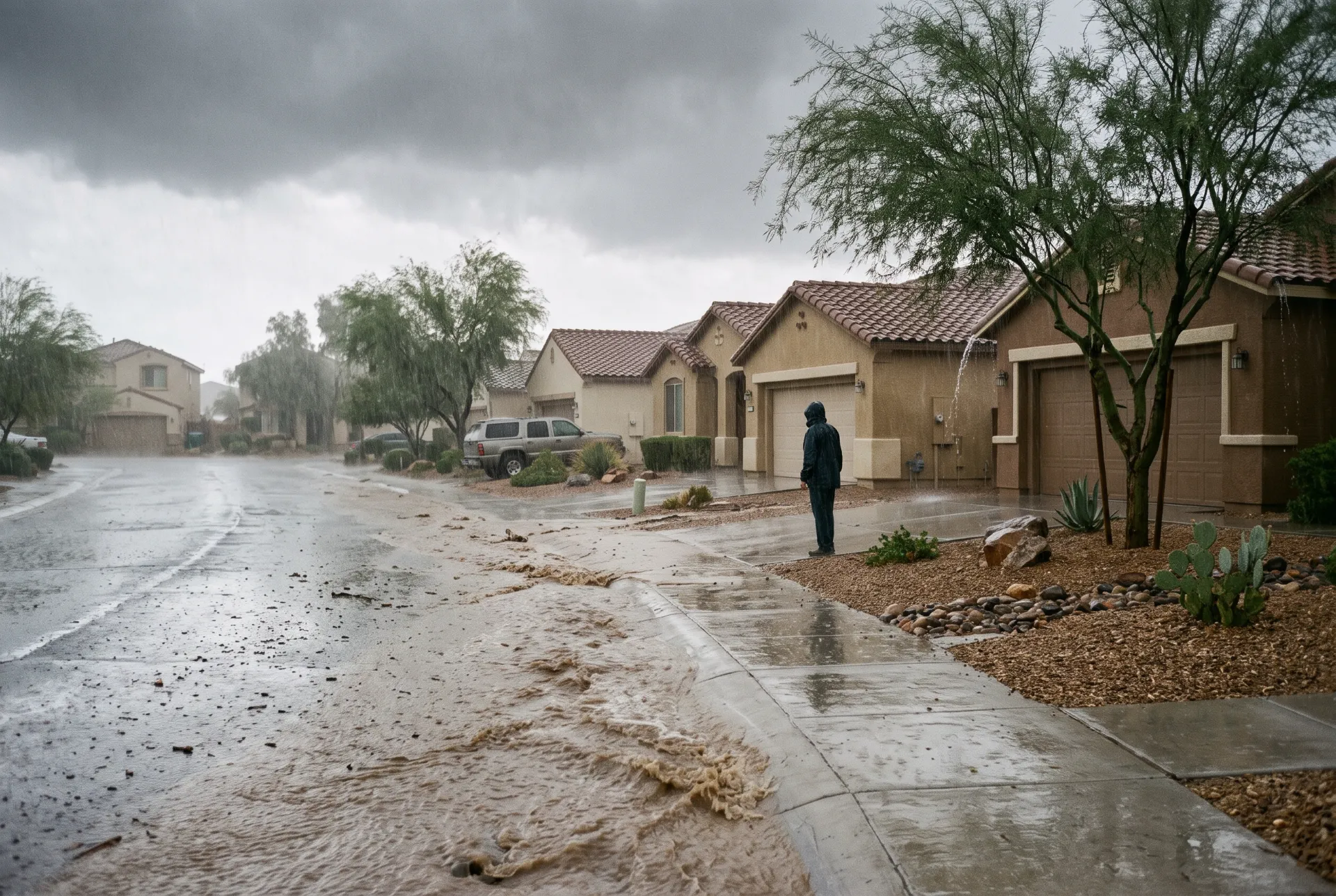
Starting water removal early matters because lingering dampness inside flooring layers allows microbial growth to take hold. According to the EPA, mold can begin growing on wet materials within 24 to 48 hours. Water source also guides what floor materials can stay in place. Under ANSI/IICRC S500, water is sorted into Category 1 from a clean supply source, Category 2 with significant contamination, and Category 3 grossly contaminated water such as sewage or rising outdoor floodwater. Mold remediation uses containment, HEPA air scrubbers, removal, and cleaning.
- According to the EPA, mold can begin growing on wet building materials within 24 to 48 hours.
- ANSI/IICRC S500 classifies water into Categories 1, 2, and 3 based on contamination level.
- Mold remediation after a leak uses containment, HEPA air scrubbers, material removal, and cleaning.
Repairs and insurance after the floor is dry
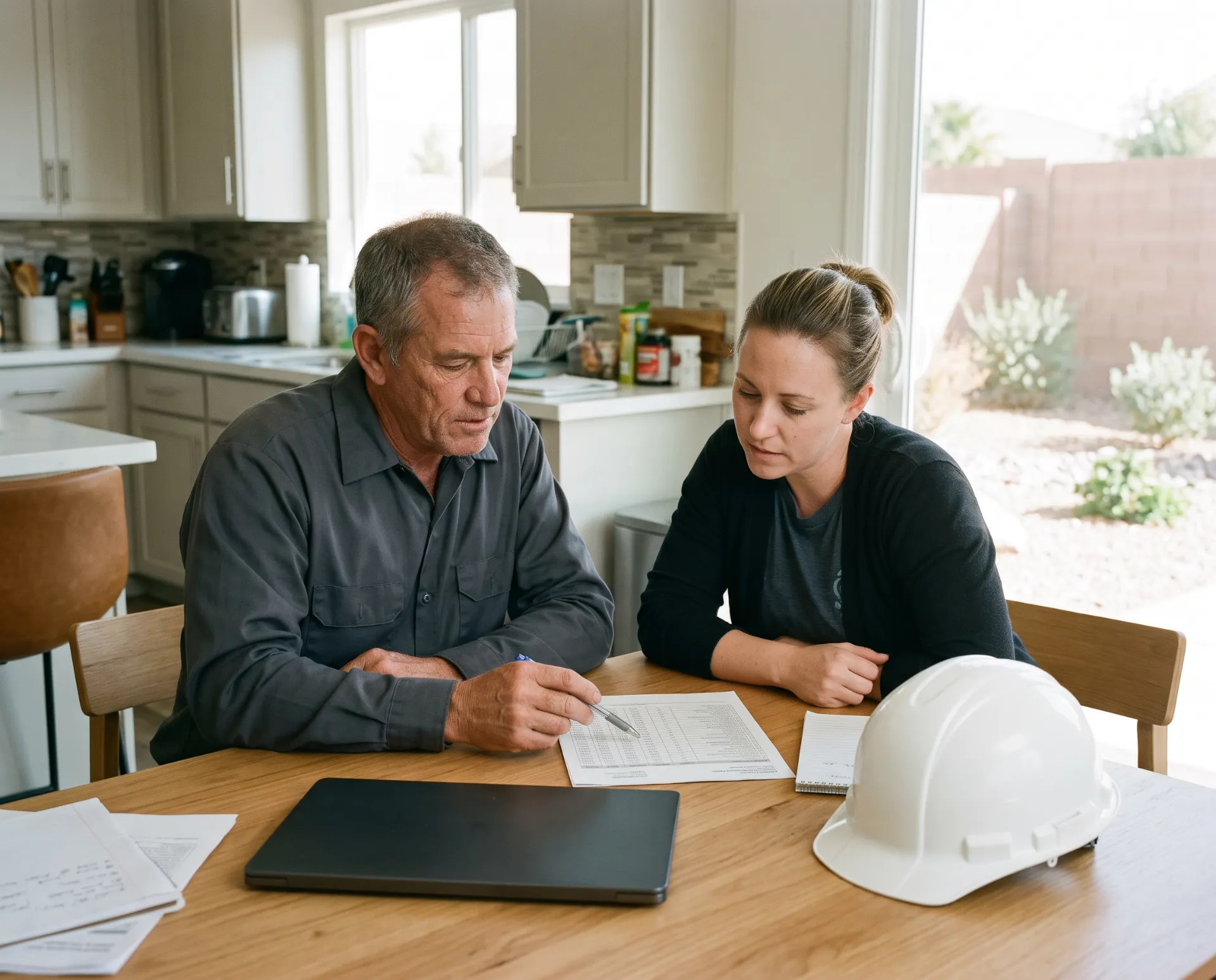
When damaged floors or wall edges need reconstruction after drying is finished, licensed restoration crews replace flooring, baseboards, trim, drywall, and insulation. Separate licensed trade partners handle plumbing repairs on the failed pipe or fixture along with electrical, HVAC, or roofing work. For insurance claims, the carrier decides policy coverage, and restoration staff can share moisture and estimate records with any adjuster with the owner’s permission. Property owners owe their policy deductible and any uncovered repair items.
- Interior repair crews replace flooring, baseboards, trim, drywall, and insulation after drying.
- Licensed trade partners handle plumbing pipe repairs along with electrical, HVAC, or roofing work.
- Check your policy or ask your agent about coverage, as the insurer decides what is covered.
What to remember
Floor outcomes depend on flooring type, water source, and how soon moisture is addressed, and the EPA notes checking subfloor dryness before installing new floors. If water is actively coming in, call for help.