Contacting your insurer and preventing further damage
Guidance from FloodSmart and the Nevada Division of Insurance advises contacting your insurer as soon as possible after water damage and before signing a repair contract. Most policies require property owners to take reasonable temporary steps that stop further damage, such as limiting active water intrusion, and to save receipts for materials or urgent work. Taking protective steps early helps limit loss while keeping in mind that the insurance carrier makes the final decision on policy coverage.
- Notify your insurer early and review terms before signing repair contracts
- Keep receipts for temporary protective measures taken to limit damage
- Confirm coverage questions directly with your insurance carrier
Waiting on disposal and building an inventory
Guidance from FloodSmart and the Nevada Division of Insurance notes that you should not dispose of damaged property until an adjuster has had a chance to review it. Walking through affected areas to build a room by room inventory keeps details clear when discussing damaged contents and finishes during the claim review. Even when a claim moves ahead smoothly, the property owner remains responsible for paying the policy deductible and any repair or replacement costs outside the policy.
- Hold damaged items for adjuster review unless unsafe to keep
- List items room by room so details stay clear and organized
- Plan for your policy deductible and any uncovered repair expenses
Checking contractors, estimates, and payments
The Nevada Division of Insurance advises checking a contractor license and references, getting a written estimate before authorizing work, and not paying in full up front. Reviewing a clear written scope and price beforehand lets property owners see how charges break down in the same line-item format insurance adjusters review. When work is not billed directly to a carrier under an eligible policy, payment options can include card, check, bank transfer, or third-party financing subject to credit approval.
- Verify licensing and references before authorizing reconstruction
- Request a written estimate and avoid full payment up front
- Direct billing to the insurer is available when carrier and policy allow
How Dryline shares records with your adjuster
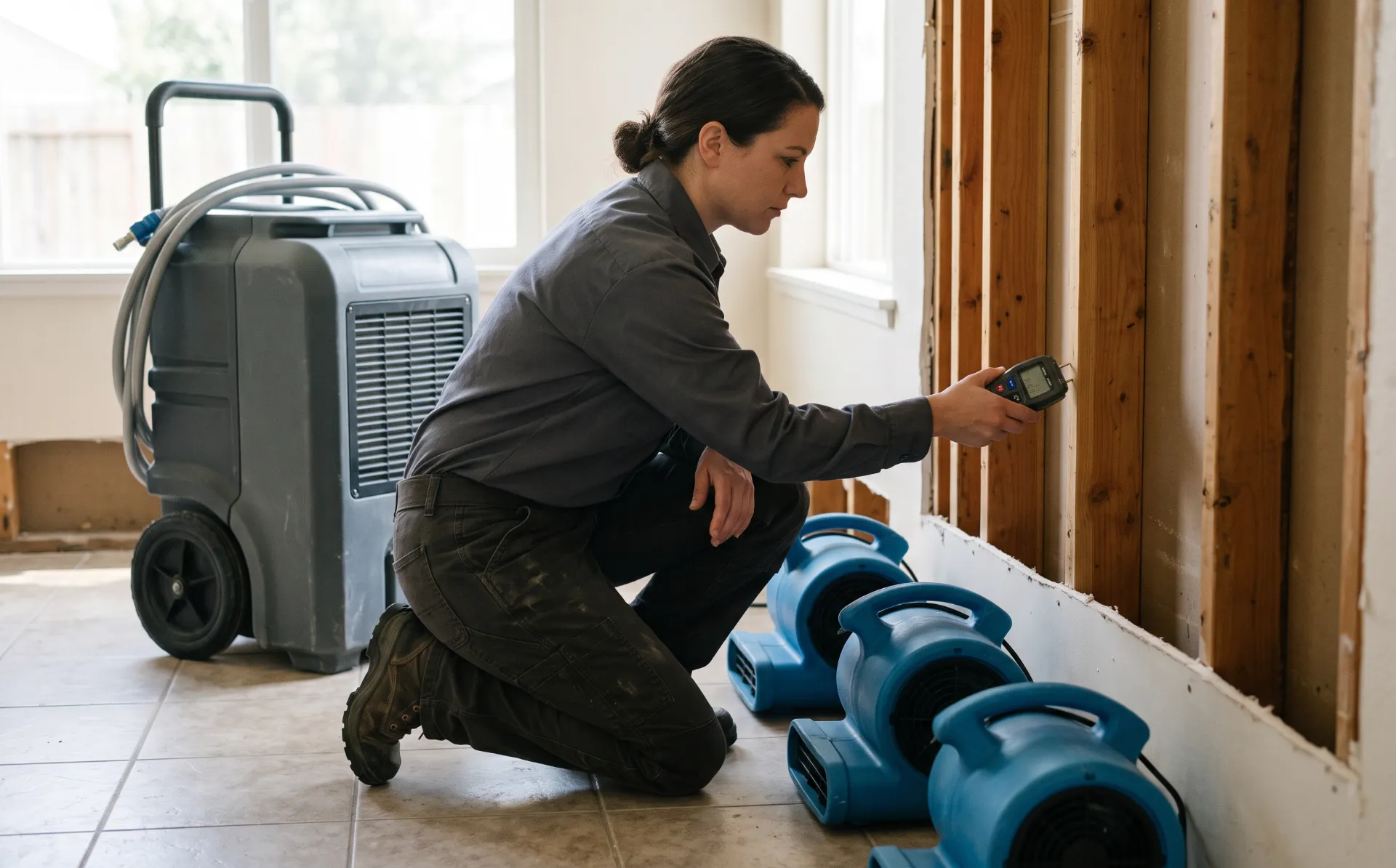
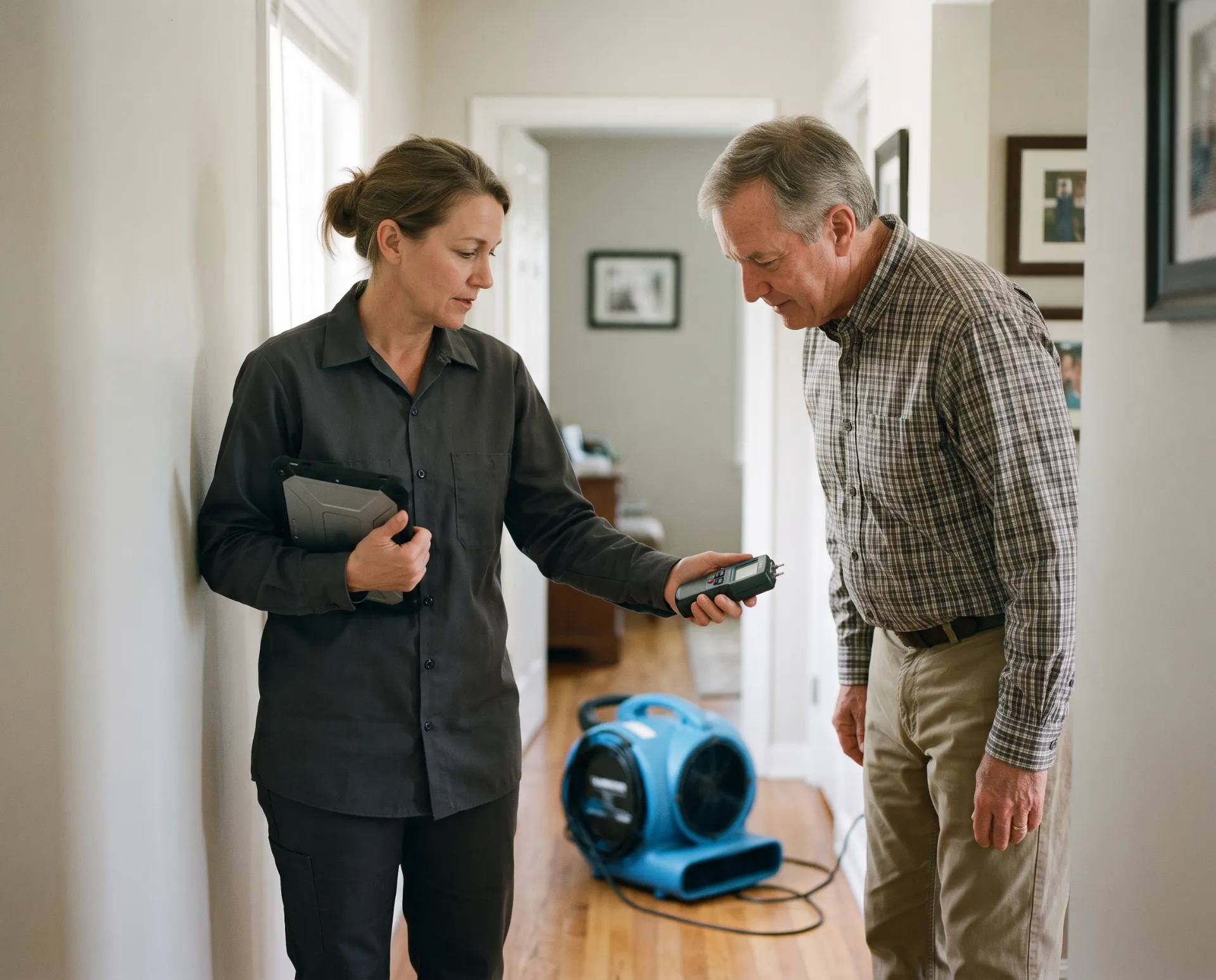
Clear field documentation helps an adjuster see the starting moisture conditions and follow what equipment was used on-site. With the customer’s permission, our team works with any insurance company adjuster and shares dated photos, moisture readings, a moisture map, the drying log, equipment records, a line-item estimate, the invoice, and a completion record. Submitting complete records supports the adjuster’s review, while drying progress itself depends on wet materials and site conditions over several days.
- One project manager serves as your contact from first visit to walkthrough
- Moisture logs and photos are shared only with your permission
- Drying time depends on materials and conditions, often several days
Roles on a claim and what Dryline does not do
Knowing where mitigation work stops and other licensed professions begin prevents confusion during an insurance claim. A restoration contractor documents site conditions and performs authorized drying and repairs, whereas negotiating claim settlements or interpreting policy language belongs to a public adjuster or an attorney. Separate specialists also handle environmental or mold testing, asbestos abatement, tree removal, foundation repair, and exterior drainage correction when a property needs those services.
- Public adjusters or attorneys handle claim negotiation
- Your insurance company decides what your policy covers
- Independent specialists handle mold testing and foundation work
Keeping the steps of a claim in order
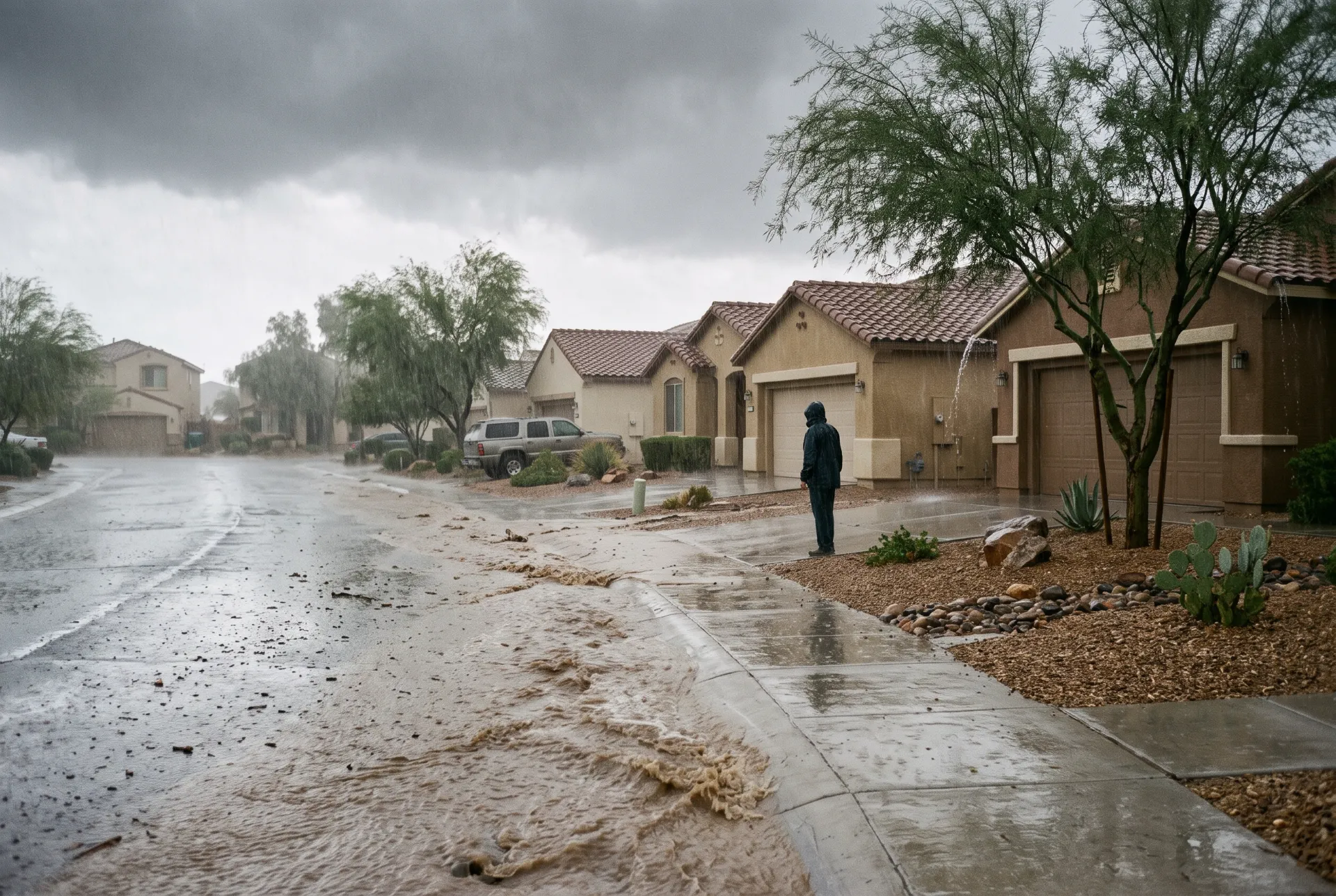
Sequencing each stage of a water damage claim in a sensible order keeps mitigation, adjuster inspections, and reconstruction aligned. During widespread storm activity across the valley, field crews schedule properties according to safety risks and active water intrusion first before moving to routine inspections and repair estimates. Once on-site work is planned, reviewing written scopes and keeping paperwork organized with your assigned project manager helps track steps through final walkthrough.
- Prioritize active water intrusion and safety risks when scheduling work
- Keep invoices, equipment logs, and completion records together for review
- Confirm direct billing or payment arrangements before repair work begins
What to remember
Keep organized claim records, confirm coverage details with your insurer, and review written scopes before repairs move ahead. If water is actively coming into your building, call for cleanup help.