How Nevada licensing applies to repair work
Repairing a home or commercial building after water damage involves distinct rules depending on project scope, trade type, and total cost. According to the Nevada State Contractors Board, all contractors must be licensed before contracting, and repair work valued at $1,000 or more requires a licensed contractor. Repair work valued at less than $1,000 including labor and materials is exempt unless a building permit is required or the work involves plumbing, electrical, refrigeration, or HVAC. Nevada has no separate handyman license for general property repairs.
- All contractors must hold an active license before contracting under Nevada State Contractors Board rules.
- Projects under $1,000 with labor and materials still need a license when permits or specialty trades apply.
- Nevada has no handyman license, so dollar value, permit rules, and trade type set licensing needs.
What Dryline performs under its own license
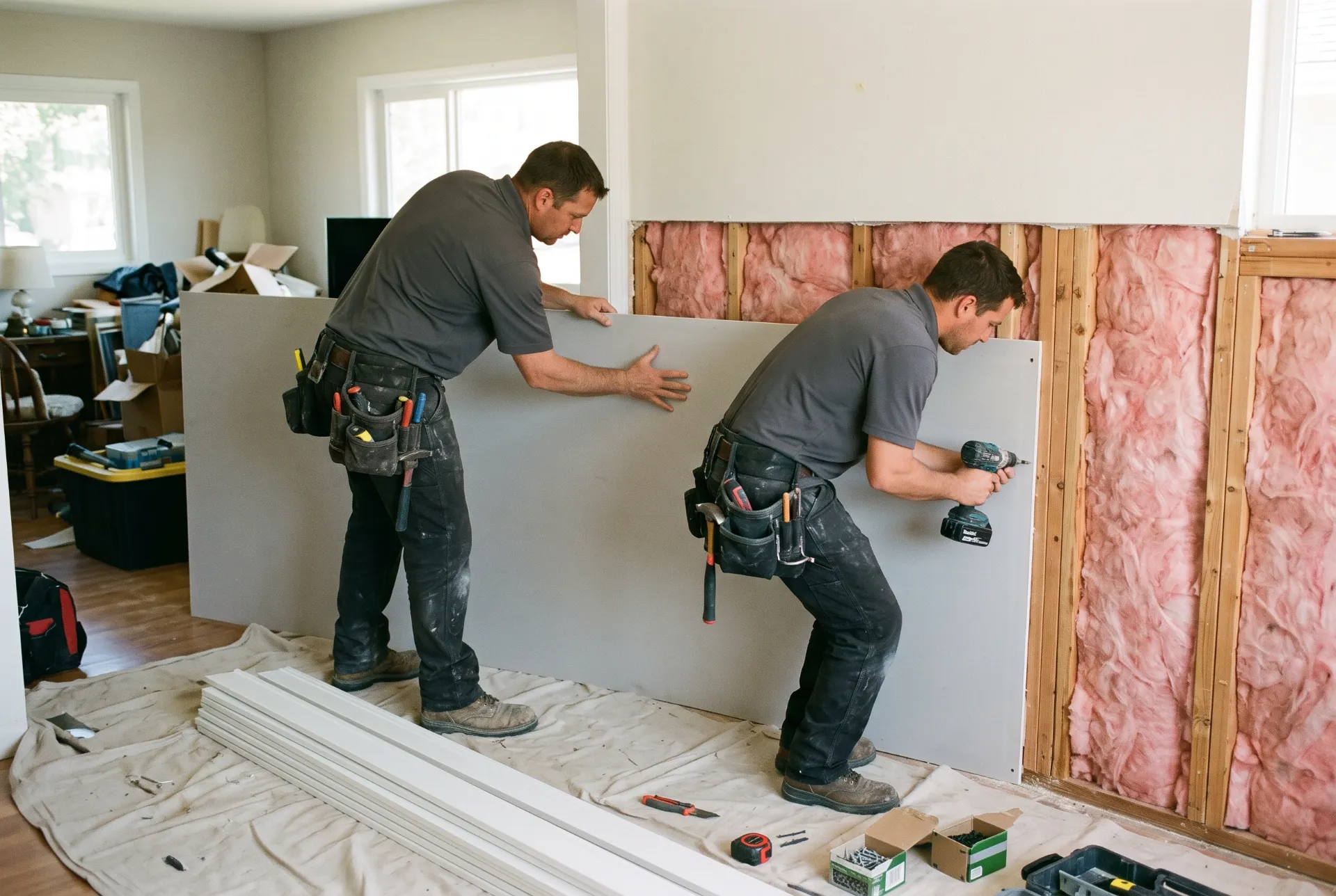
Once wet materials are dried or removed, interior reconstruction brings damaged rooms back together under an active Nevada contractor license and IICRC Certified Firm standards. Licensed reconstruction crews handle interior finishes including drywall, insulation, texture and paint, baseboards and trim, flooring, and cabinets for residential and commercial spaces. Before repair work starts, the customer receives a written scope and price along with an itemized estimate in the line-item format insurance adjusters review, backed by a one-year workmanship warranty.
- Licensed interior reconstruction covers drywall, insulation, texture, paint, trim, flooring, and cabinets.
- Customers receive a written scope and price before work starts, plus a one-year workmanship warranty.
- Repair estimates are prepared as itemized line-items in the format insurance adjusters review.
Where licensed trade partners step in
Certain building systems damaged during a leak or storm require specialized trade licensing rather than general interior restoration work alone. Licensed trade partners coordinated by the project manager perform roofing, plumbing, electrical, and HVAC work whenever a property needs those trades. General restoration crews do not repair the failed plumbing pipe or fixture, complete permanent roof repair or replacement, or perform electrical work on their own. While the full repair scope is being prepared, water extraction can begin on a signed work authorization.
- Licensed trade partners coordinated by the project manager handle roofing, plumbing, electrical, and HVAC.
- Failed pipes, fixtures, permanent roof work, and electrical repairs stay with licensed specialty trades.
- Water extraction can start on a signed work authorization while the full repair scope is prepared.
Checking credentials and estimates carefully
Choosing a contractor after water damage takes careful verification before signing repair agreements or authorizing reconstruction payments. The Nevada Division of Insurance advises checking contractor licensing and references, getting a written estimate, and avoiding full payment up front before the job is completed. Checking technical training also clarifies who leads drying and repair supervision on-site, such as IICRC Water Damage Restoration Technician certification for lead technicians and Applied Structural Drying credentials for project managers.
- The Nevada Division of Insurance advises checking licensing and references before hiring a contractor.
- Request a clear written estimate first and avoid paying the entire contract balance up front.
- Ask whether lead technicians hold IICRC WRT certification and project managers hold ASD training.
Insurance roles and what Dryline does not do
Insurance claims and property repair duties follow the terms of the policy rather than any contractor’s statements. The insurer decides coverage, and restoration staff can share documentation and coordinate with any carrier’s adjuster with the customer’s permission without acting as a preferred vendor. Direct billing to the insurer is available when the carrier and policy allow it, while the property owner always owes the deductible and any uncovered work. Contractors do not provide legal advice, public adjusting, structural engineering, or mold testing.
- The insurer decides claim coverage, and the customer owes the deductible and any uncovered items.
- Direct billing to the insurance carrier is available when allowed by the carrier and policy terms.
- Legal advice, public adjusting, structural engineering, and mold testing require separate professionals.
Planning the repair after the water is out
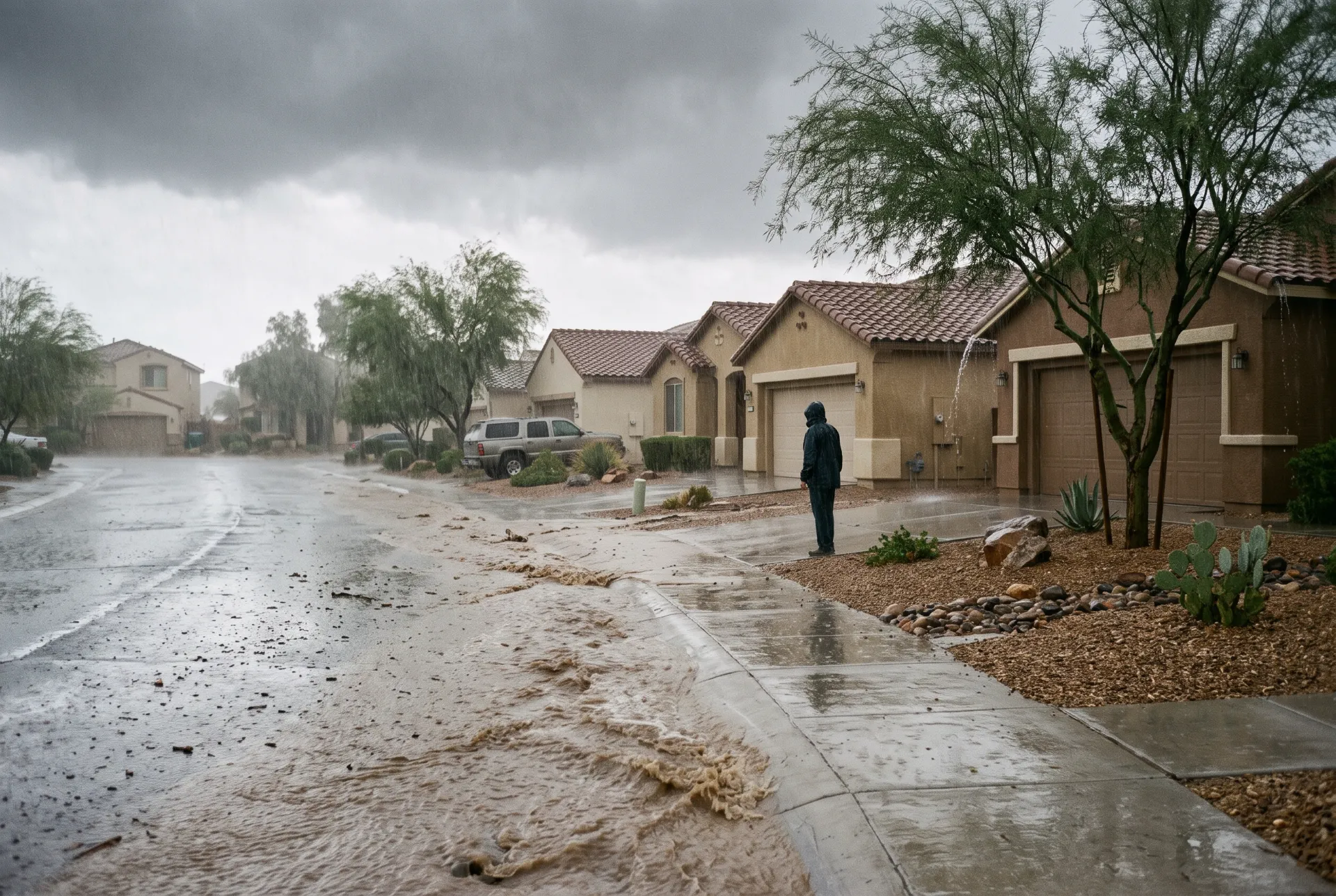
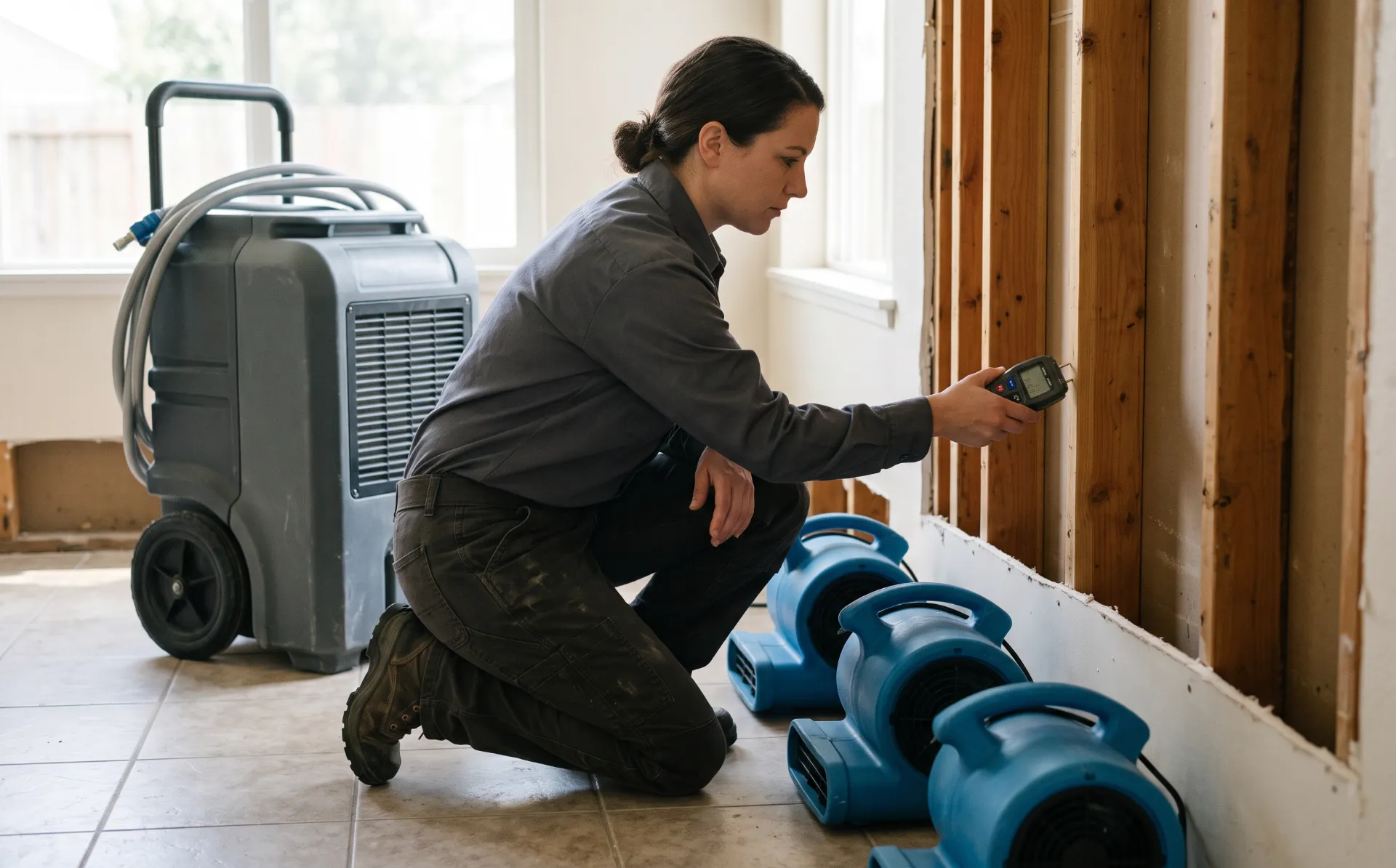
Planning next steps after a leak starts with separating urgent water control from the formal repair estimate and reconstruction schedule. During valley storms, active water and safety risks set response order, and specific arrival times or completion dates are never promised ahead of time. An on-site inspection comes first so moisture conditions and damaged finishes can be documented accurately before repair decisions are made. From that first visit through the final walkthrough, one project manager coordinates mitigation, trade scheduling, and final repairs.
- Start with an on-site inspection to review damaged materials before agreeing to repair work.
- During valley storms, active water and safety risks set priority, with no promised arrival times.
- One project manager coordinates scheduling from the initial site visit to the final walkthrough.
What to remember
In Nevada, repair work of $1,000 or more requires a licensed contractor, so match active state licenses to the repair scope before signing agreements. If water is actively coming into your building, call for help.