Core items on the emergency sheet
A one-page emergency sheet keeps essential building information in one place before an unexpected leak affects a commercial or managed property. A practical property sheet lists water shutoffs, electrical panels, building access codes, after-hours contacts, and who can authorize emergency work. Having those details written clearly helps on-site staff avoid guessing when water starts moving, since a leak found after-hours can keep running until someone locates the shutoff and confirms approval.
- Mark water shutoffs and electrical panels clearly so on-site staff can locate them without delay.
- List building access codes and after-hours contacts together on a single easy to read page.
- An after-hours leak can keep running until staff locate the shutoff and reach an authorized signer.
Insurance and resident details to include
Beyond physical shutoff locations and entry access, a complete emergency sheet also records who must be notified and how building communication flows. Insurer names, policy contact details, and tenant or resident notice procedures belong directly on the page so staff do not rely on memory during an incident. Clear communication steps keep property managers, building owners, occupants, and insurance representatives aligned when water affects shared corridors or leased spaces.
- Record insurer and policy contact details on the sheet so claim reporting does not rely on memory.
- Write clear tenant notice steps for occupied residential units or leased commercial suites.
- Spell out backup approval authority in case the person on-site cannot authorize mitigation work.
Keeping the sheet current over time
An emergency sheet only works during a real leak when the listed details match current building operations, vendors, and staff roles. Property teams should update the sheet whenever management contacts change, along with any revisions to building access codes, water shutoff notes, or designated work approvers. Reviewing the page on a regular schedule alongside tenant notice procedures prevents outdated contact lists or expired authorizations from slowing down an after-hours response.
- Update the emergency sheet whenever staff contacts, access codes, or shutoff notes change.
- Confirm current work authorization roles before an after-hours leak tests the contact chain.
- Review tenant communication steps whenever property management or building contacts are updated.
How Priority Response enrollment works
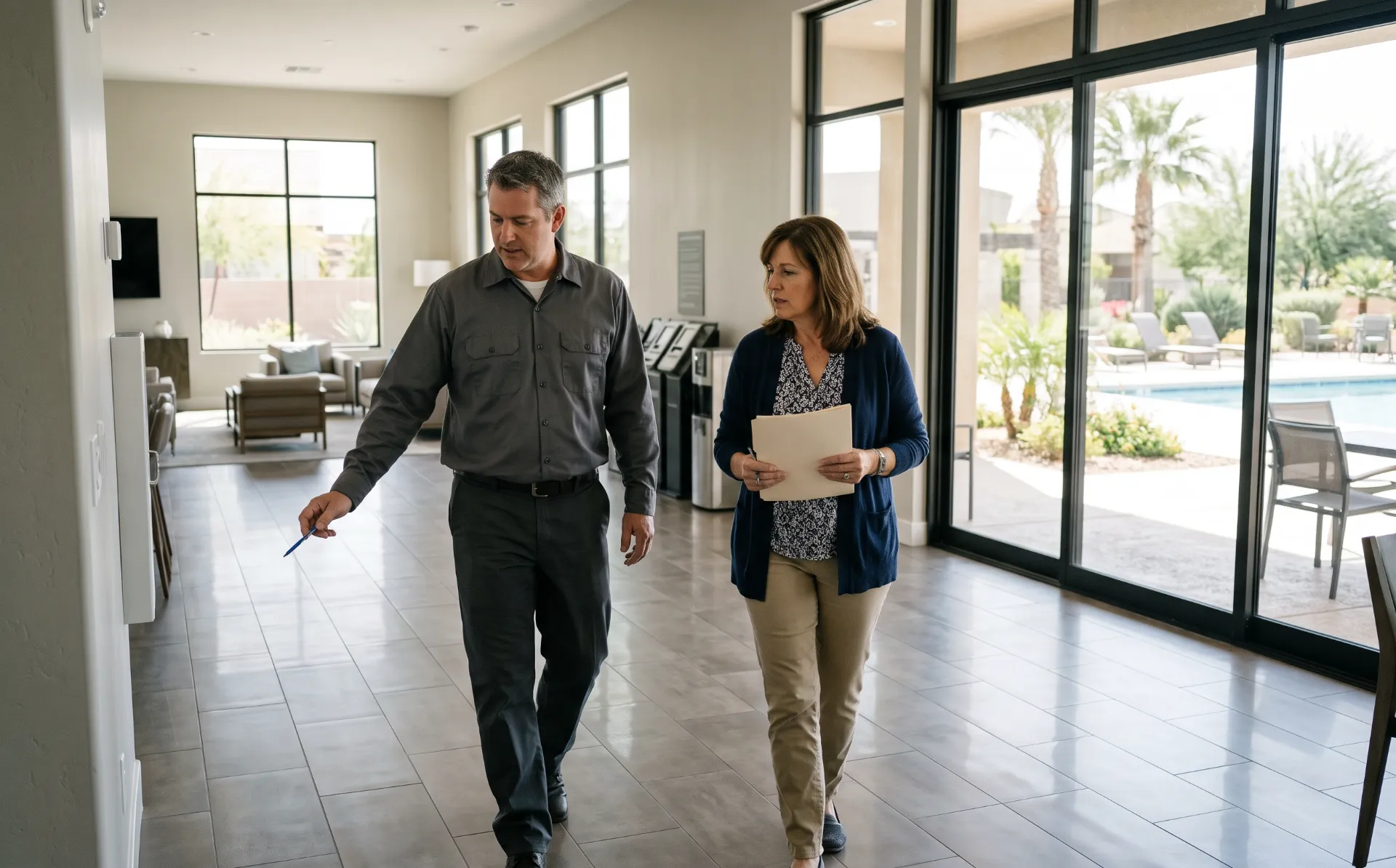
The Priority Response Program supports businesses, property managers, HOAs, and senior living communities preparing for leaks before damage happens. Enrollment is free with no contract and no retainer, and it never sets a promised arrival or response time. Preparing a property ahead of a loss includes an on-site walkthrough, a one-page emergency sheet per building, pre agreed rates, and certificates of insurance and vendor paperwork kept on file so administrative steps are already finished.
- Priority Response enrollment is free with no contract and no retainer for eligible properties.
- Preparation includes a pre-loss walkthrough, emergency sheet, pre agreed rates, and vendor files.
- Enrollment never sets a promised arrival time, and life safety situations always come first.
Scheduling during valley-wide events
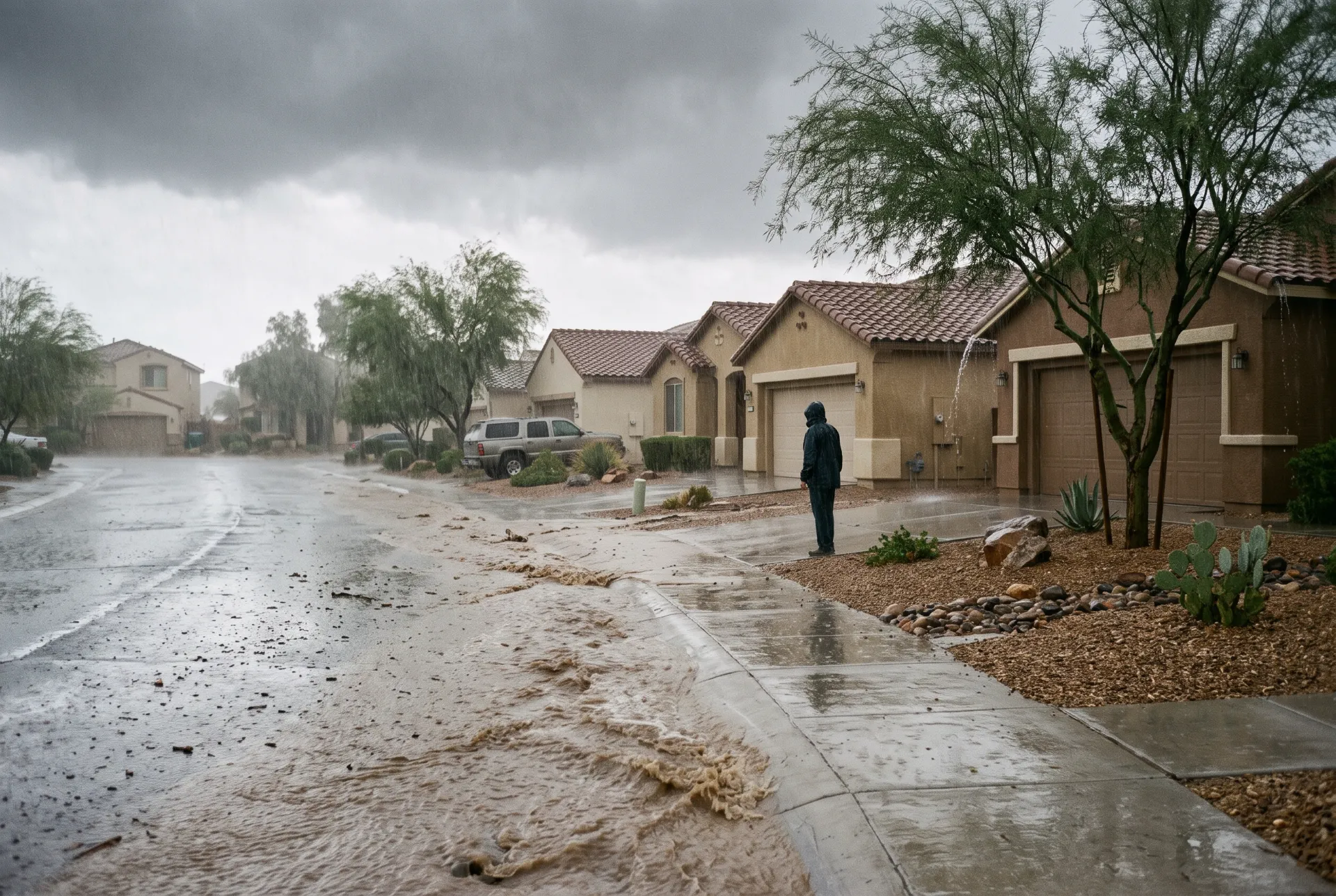
When widespread storms or multi property water events affect the valley at the same time, dispatch scheduling follows clear safety and urgency priorities. Enrolled properties are scheduled ahead of non enrolled non emergency work during valley-wide events, while life safety calls always come first. Calls during valley-wide storms are handled in order of safety risk and active water entering buildings, and travel and arrival take longer when multiple neighborhoods need help simultaneously.
- Enrolled properties schedule ahead of non enrolled non emergency work during valley-wide events.
- Life safety calls take top priority during storms, and fixed arrival times are never promised.
- Dispatch order during valley-wide storms follows safety risk and active water entering buildings.
Setting the sheet up before a leak
Preparing a commercial building, HOA, or senior living community works smoothly when walkthroughs, shutoff mapping, and vendor onboarding happen before a leak or storm occurs. When active water enters a structure, no one can confirm by phone that an affected area is safe to enter or occupy, so conditions must be checked in person on-site. Having signed authorization rules and property contacts ready ahead of time helps managers coordinate staff, occupants, and mitigation crews calmly.
- Schedule pre-loss walkthroughs and vendor paperwork setup before an emergency leak takes place.
- Building safety cannot be confirmed over the phone and requires an in person check on-site.
- Clear pre-loss approval rules help property managers direct staff and crews when water enters.
What to remember
Preparing and reviewing a one-page emergency sheet ahead of a leak gives on-site teams clear building, insurer, and occupant procedures without guesswork. If water is coming into your property, call for help.