What affects whether you can stay open
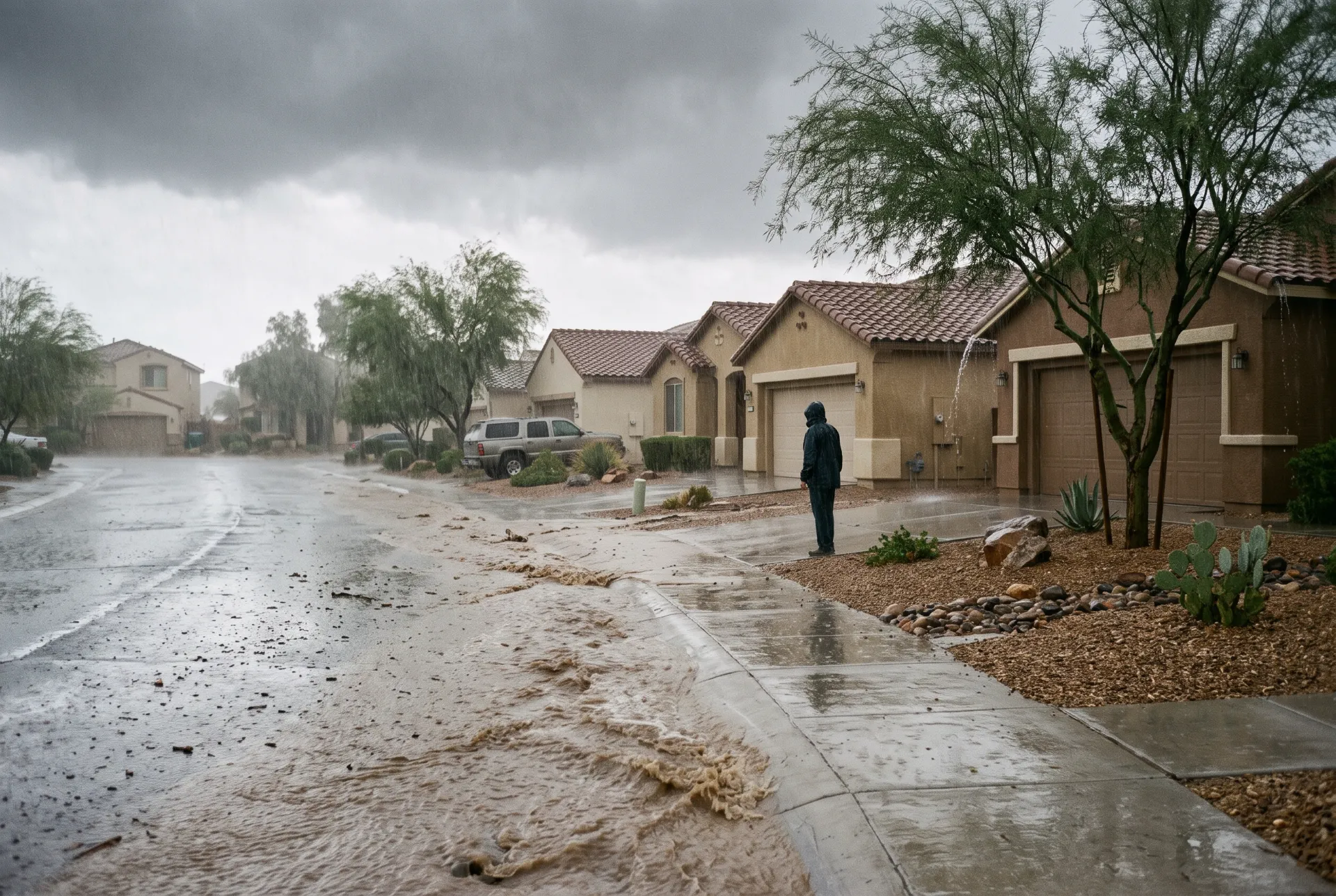
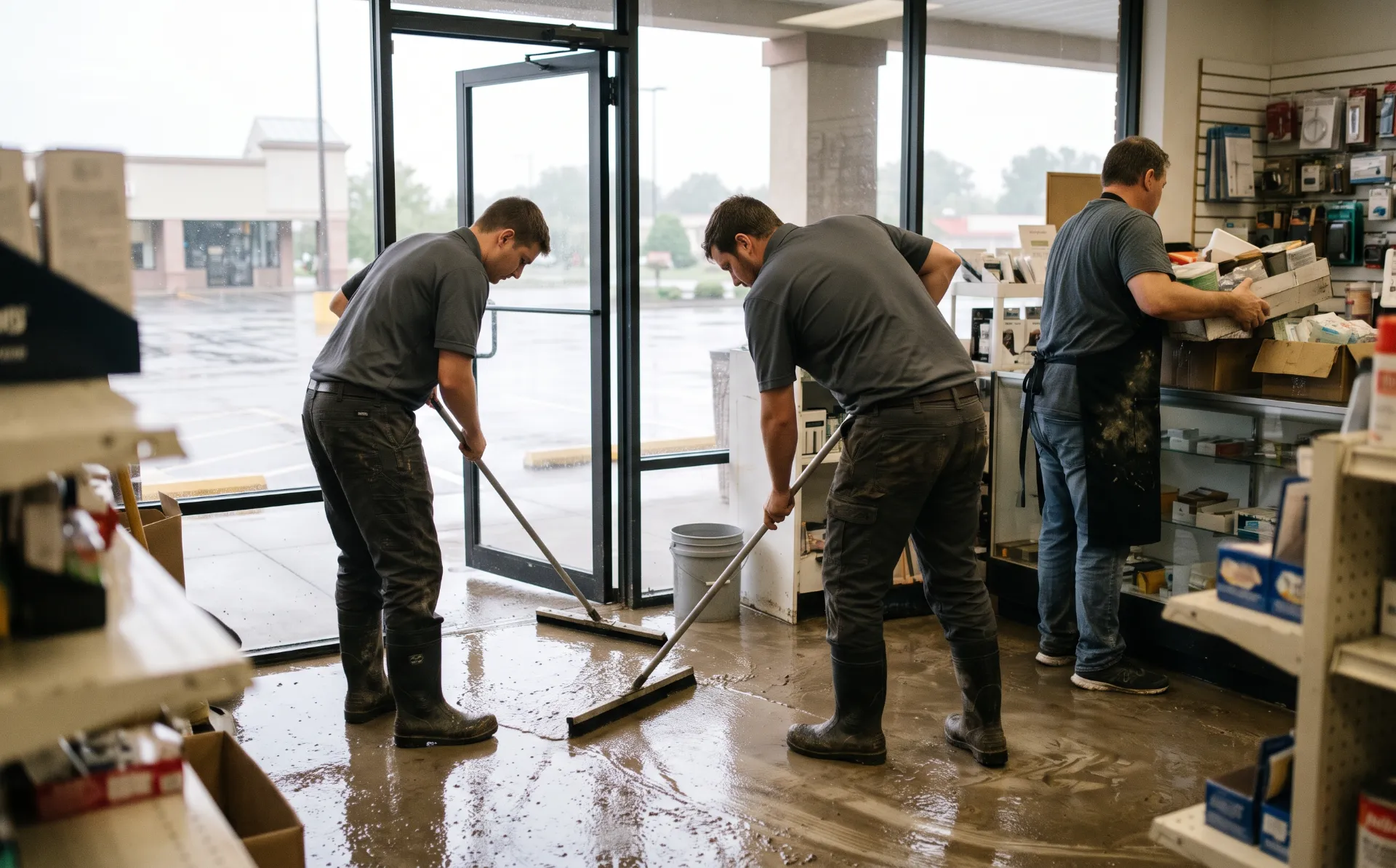
Whether a commercial space can remain open or needs a temporary pause depends on the water source, electrical safety, and how much of the building is wet. No contractor can confirm by phone that a workplace or storefront is safe to open before inspecting conditions in person. An on-site assessment checks moisture spread and identifies the water category under ANSI/IICRC S500, while total drying time varies with materials and site conditions and is never promised ahead of time.
- Staying open depends on the water source, electrical safety, and how much floor area is wet.
- On site inspection determines moisture spread and water category under ANSI/IICRC S500.
- No one can confirm over the phone that a wet commercial building is safe to open.
Electrical inspection before restoring power
Water near commercial panels, floor outlets, lighting, or machinery creates serious electrical hazards if circuits are turned back on prematurely. According to the CDC, have the electrical system inspected before power is restored to wet areas. Water mitigation crews do not perform electrical repairs with their own staff. When an inspection or repair is needed, licensed trade partners coordinated by the project manager handle electrical work alongside any plumbing, HVAC, or roofing needs.
- Keep power off in affected commercial zones until a qualified electrical check is completed.
- Water mitigation crews do not perform electrical system repairs with their own technicians.
- Licensed trade partners coordinated by the project manager handle electrical, plumbing, and HVAC.
Phasing work around business hours
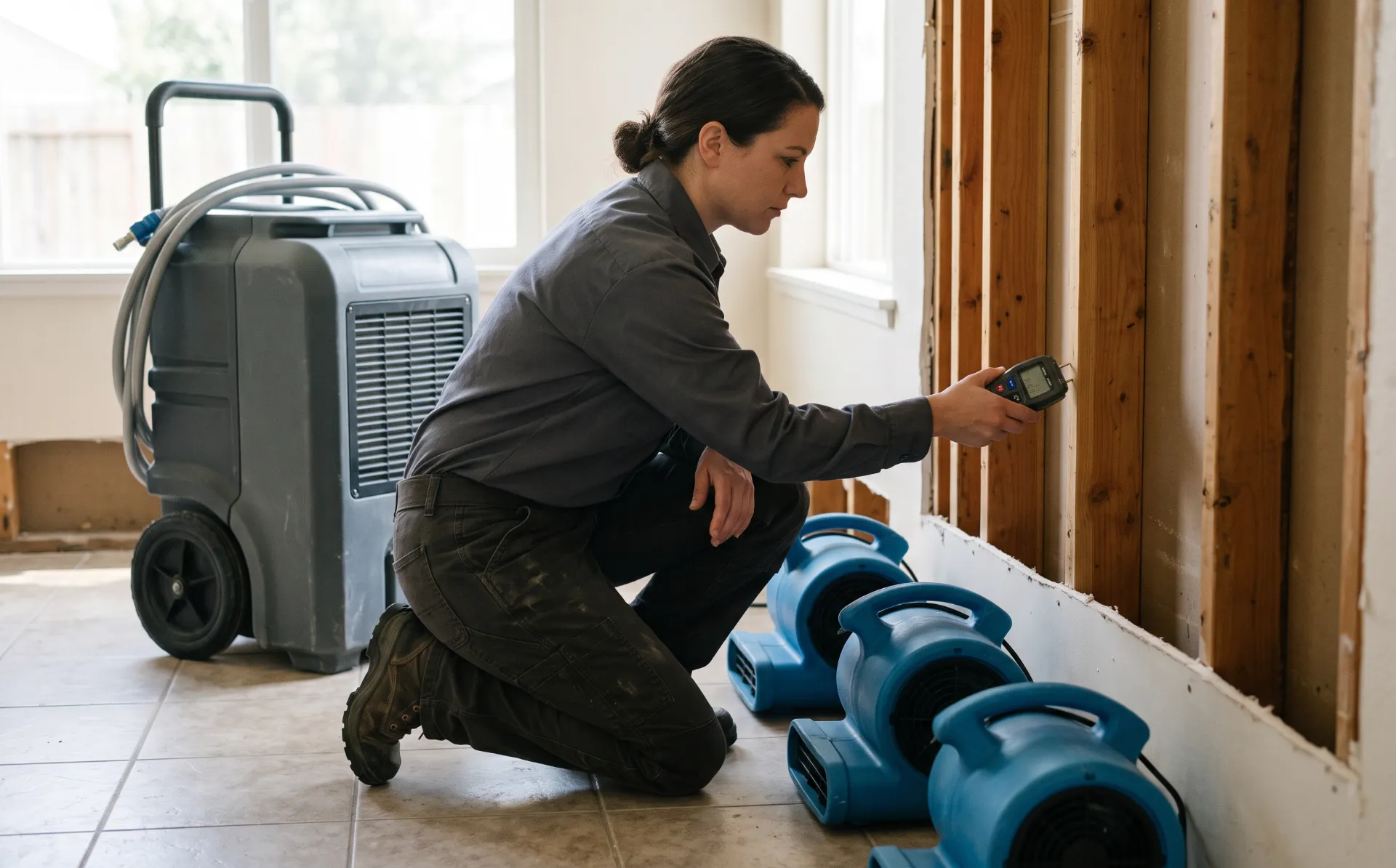
Commercial operators often need to plan mitigation and repairs around customer access, staff shifts, and daytime noise limits when safe conditions allow partial operation. Work can often be phased around operating hours, scheduling noisy material removal after closing while structural drying equipment runs continuously. Air movers, dehumidifiers, and HEPA air scrubbers may operate across several days depending on wet materials and indoor conditions rather than following a fixed day count.
- Mitigation tasks can often be phased around operating hours when building conditions allow.
- Noisy tear out work can often happen after closing while drying equipment runs continuously.
- Air movers, dehumidifiers, and HEPA air scrubbers run across several days based on conditions.
Moving stock, equipment, and specialist items
Protecting retail stock, office equipment, and business records takes organized tracking before drying and wall repairs get underway. Movable inventory and equipment are relocated and documented alongside the business owner so items remain accounted for throughout mitigation. Contents handling also includes pack-out, itemized photo inventory, cleaning, and secure facility storage, while wet electronics, paper documents, fine art, and specialized textiles go to dedicated specialist partners.
- Commercial stock and equipment are moved and inventoried directly with the business owner.
- Pack out services include an itemized photo inventory, off site cleaning, and facility storage.
- Affected electronics, documents, fine art, and specialty textiles go to specialist partners.
Health approvals, insurance, and preparedness
Reopening steps also depend on industry regulations and how a commercial insurance policy handles property damage. For restaurants and food service spaces, obtaining health department approval before serving customers again is the operator’s responsibility. On an insurance claim, the carrier decides coverage, adjusters can review records with the policyholder’s permission, and the business owes its deductible and uncovered costs. Pre loss planning also helps businesses prepare ahead at no cost.
- For restaurants, securing health department approval before reopening is the operator’s duty.
- The insurance carrier decides policy coverage, and adjusters review documentation with permission.
- Business policyholders owe their deductible and any repair or contents work not covered.
Paperwork that helps a reopening plan
Clear documentation and upfront pricing help business owners coordinate landlords, adjusters, and reopening plans after water enters a workplace. Following an on-site inspection and written estimate, Dryline provides a written scope and price before work begins so operators can review planned mitigation and interior repairs. Completed repair work includes a one-year workmanship warranty, while the project manager coordinates licensed trade partners whenever specialized building systems need work.
- Start with an on-site inspection and written estimate to map out commercial mitigation and repairs.
- Review the written scope and price before work begins so reopening plans match actual site needs.
- Completed reconstruction and repair work carries a one-year workmanship warranty.
What to remember
Reopening safely means verifying electrical systems before restoring power per the CDC, meeting any required operator approvals, and assessing wet areas on-site. If water is coming into your business, call for help.