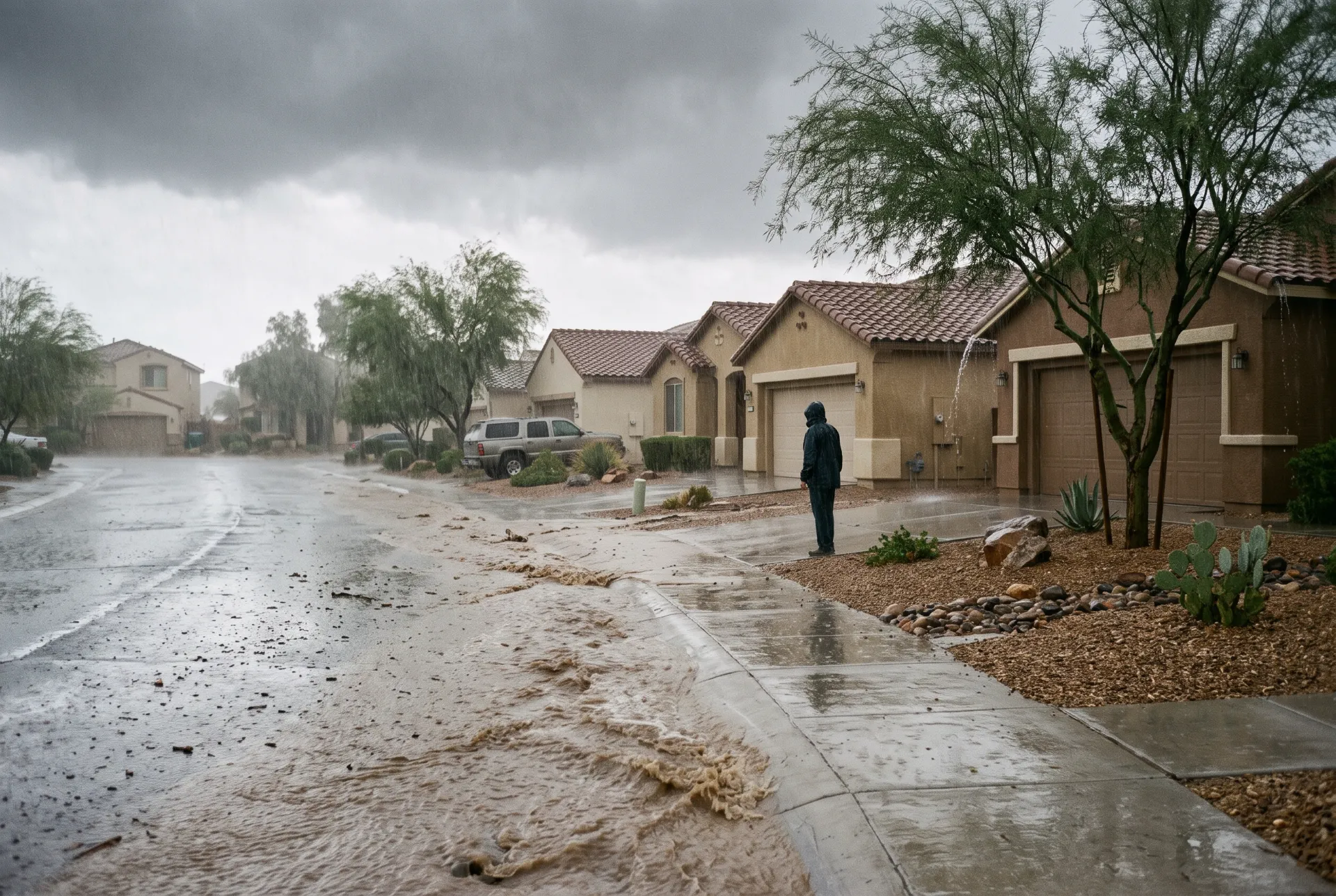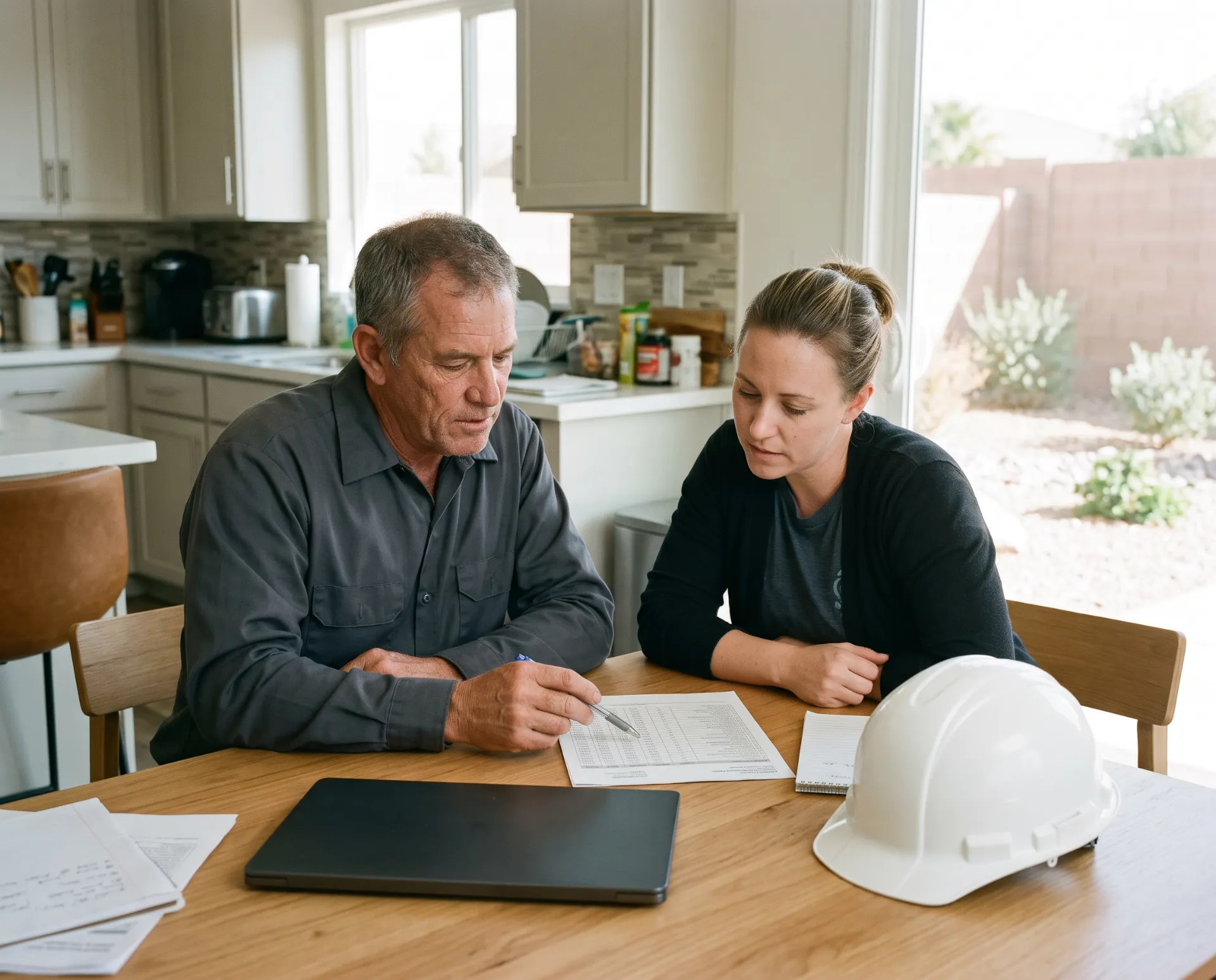
Photographs and video before cleanup or disposal
FloodSmart guidance from FEMA advises taking clear photographs and video of water damage before cleaning, repairing, or throwing anything out. Useful visual records combine wide shots that show whole rooms with detailed views of water lines on walls, baseboards, and appliances alongside any visible structural damage. Always check your surroundings first and stay out of rooms with standing water hazards or structural concerns rather than entering unsafe areas just to take pictures.
- Record both wide room views and close-up damage shots
- Show water lines on walls and appliances where visible
- Stay out of unsafe areas when taking photos or video
Room-by-room inventory and serial numbers
The Nevada Division of Insurance recommends preparing a room by room inventory that lists the purchase date, place of purchase, original cost, brand, and model for damaged belongings. FloodSmart guidance from FEMA also advises recording serial numbers from affected appliances and electronics while labels remain readable. Grouping those item details room by room gives your adjuster an organized list to match against the photographs and video recorded before cleanup began.
- Note brand, model, purchase place, date, and cost per item
- Log appliance and electronics serial numbers while legible
- Keep records organized by room for easier review
Keeping material samples and handling health risks
FloodSmart guidance from FEMA notes keeping small physical samples of damaged carpet, drywall, or insulation so an adjuster can inspect material quality later. Once clear photographs are taken, items that create an indoor health hazard, such as spoiled food from affected refrigerators or pantries, should be discarded rather than stored indoors. For building finishes and furnishings, whether an item can be saved depends on the water source, how long it stayed wet, and the material itself.
- Save small samples of affected carpet, drywall, or insulation
- Discard spoiled food and health risk items after photographing
- Material salvage depends on water source, wet time, and porosity
Receipts for repairs, lodging, and daily expenses
FloodSmart guidance from FEMA advises keeping itemized receipts for temporary repairs, replacement supplies, temporary lodging, meals, and local transport if water damage displaces household members or staff. Storing paper and digital copies together helps property owners track every dollar spent during recovery, whether a cost applies toward a covered claim category, counts toward a policy deductible, or remains an uncovered expense decided by the insurance carrier under policy terms.
- Save receipts for temporary repairs and replacement items
- Keep lodging, meal, and transport receipts if displaced
- Coverage depends on the policy and is decided by the insurer
Moisture mapping and documentation from Dryline
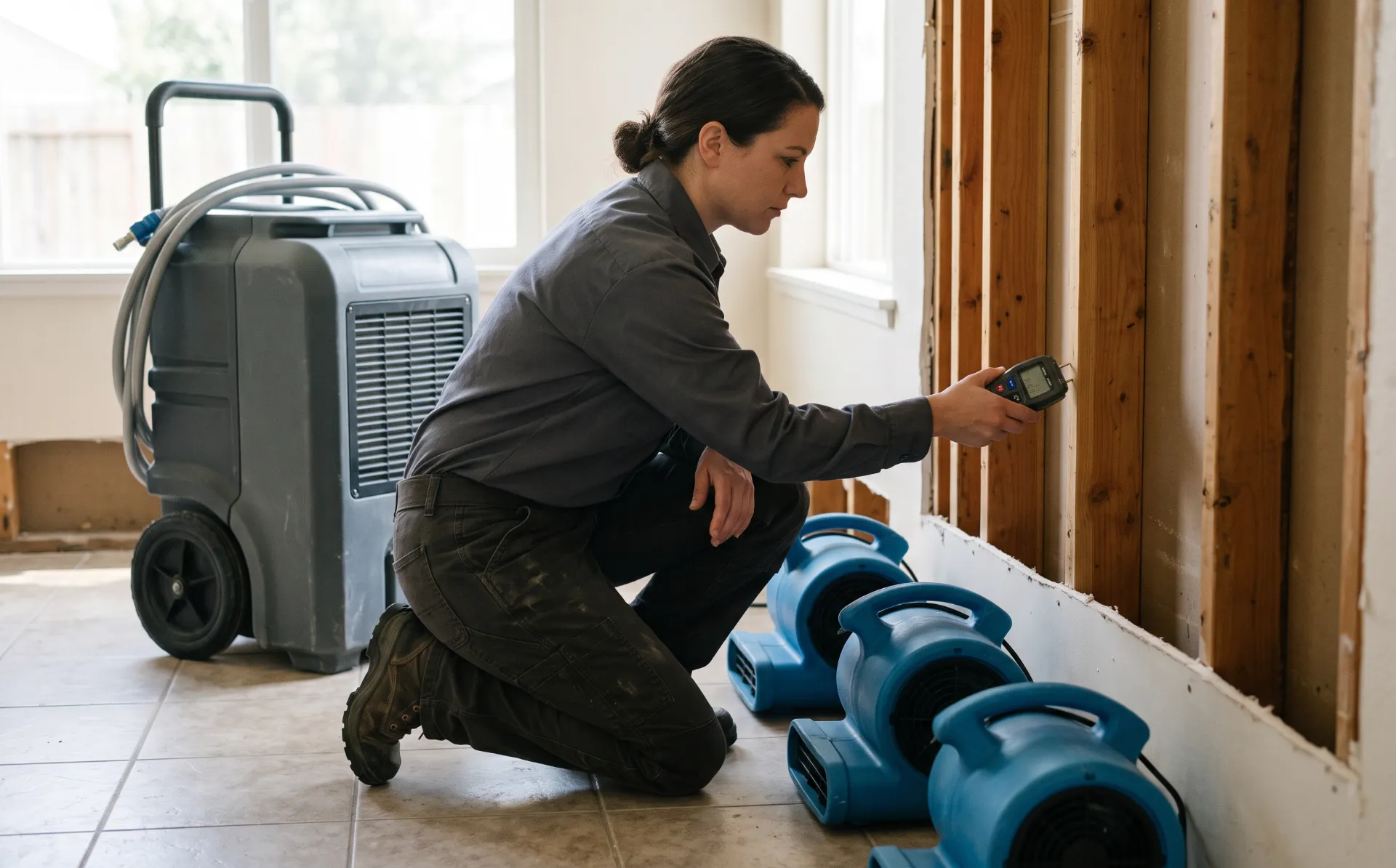
Hidden dampness behind baseboards or inside wall cavities does not always show up in ordinary photographs. During mitigation, Dryline uses moisture meters along with thermal imaging cameras confirmed with a meter to map wet areas, and logs readings at every monitoring visit scheduled in the written drying plan. With customer permission, those logged readings are shared alongside dated photos, the moisture map, equipment records, an itemized estimate, the invoice, and a completion record.
- Thermal imaging findings are confirmed with a moisture meter
- Monitoring visits follow the written drying plan
- Logged moisture readings track drying progress from start to finish
What needs a specialist on-site
Documentation also depends on knowing which assessments require an on-site specialist rather than a phone call. No restoration crew can confirm over the phone that a wet building is safe to enter or occupy, and environmental or mold testing, plumbing pipe repairs, and permanent roof repairs belong to separate specialists. When furniture and boxed belongings must be moved out for drying, itemized photo inventories support cleaning and storage while specialty items go to dedicated partners.
- Itemized photo inventories track belongings moved out for storage
- Specialist items like fine art or document freeze drying go to partners
- Independent specialists handle environmental testing and pipe repairs
What to remember
Document damage from safe areas before cleanup starts, keep inventories and receipts organized by room, and share complete moisture records with your adjuster. If water is still coming into your building, call for cleanup help.